TikTok Shop Inventory & Stockout Strategy
Master TikTok Shop inventory management in 2025. Learn demand forecasting, viral sellout prevention, and stockout recovery tactics to protect your rankings.

Your product just went viral on TikTok. A creator with 800K followers posted an unboxing at 9 PM on a Tuesday, and by Wednesday morning, you've sold through three weeks of inventory.
- Build safety stock formulas calibrated to creator posting schedules, not traditional seasonal trends, to survive non-linear demand spikes.
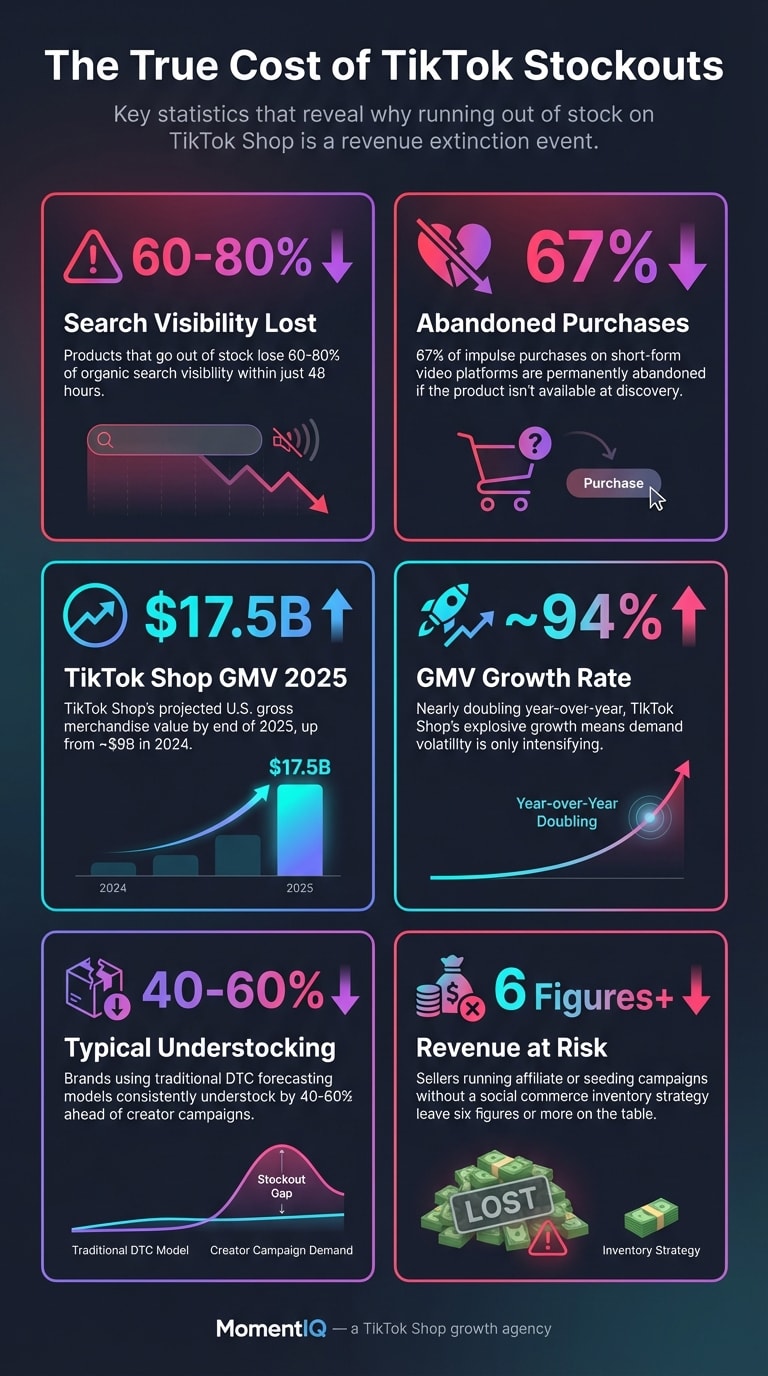
- Restock before visibility craters — products losing 60-80% organic search visibility within 48 hours of stockout makes recovery extremely costly.
- Turn your creator network into a demand forecasting engine by modeling spike probability from audience size, engagement rates, and content calendars.
- Stage inventory pre-launch before seeding campaigns, since 67% of impulse purchases are permanently abandoned if products are unavailable at discovery.
- Select 3PL partners specifically for TikTok Shop's aggressive shipping SLAs to avoid fulfillment violations that compound stockout damage.
Sounds like a dream, right?It's actually the beginning of a nightmare.
Your listing goes out of stock. TikTok Shop's algorithm immediately deprioritizes it. Your search ranking craters. The 47 other creators who had your product queued up in their content calendars now have nothing to link to. And the policy team flags your shop for fulfillment SLA violations because you can't ship orders you've already accepted.
This is the brutal paradox of TikTok Shop inventory management: the platform rewards virality, but punishes the sellers who aren't prepared for it.
According to TikTok's own commerce data, products that go out of stock lose an average of 60-80% of their organic search visibility within 48 hours — and it can take weeks to recover that positioning, even after restocking. A 2024 Statista report on social commerce found that 67% of impulse purchases on short-form video platforms are abandoned permanently if the product isn't available at the moment of discovery.
That's not a logistics problem. That's a revenue extinction event.
This guide is built for TikTok Shop sellers, brand managers, and DTC founders who are scaling fast — or about to.We'll break down the exact TikTok Shop stockout prevention strategy you need: safety stock formulas calibrated to creator posting schedules, 3PL selection criteria for TikTok Shop's aggressive shipping SLAs, pre-launch inventory staging before seeding campaigns, and how to turn your creator network into a demand forecasting engine.
If you're running affiliate campaigns, seeding products, or planning live commerce pushes without an inventory strategy built for social commerce volatility, you're leaving six figures on the table. And your competitors who've figured this out are compounding their advantage every single day.
Why Traditional Inventory Forecasting Fails on TikTok Shop
Let's be direct: your Amazon forecasting model will get you killed on TikTok Shop.
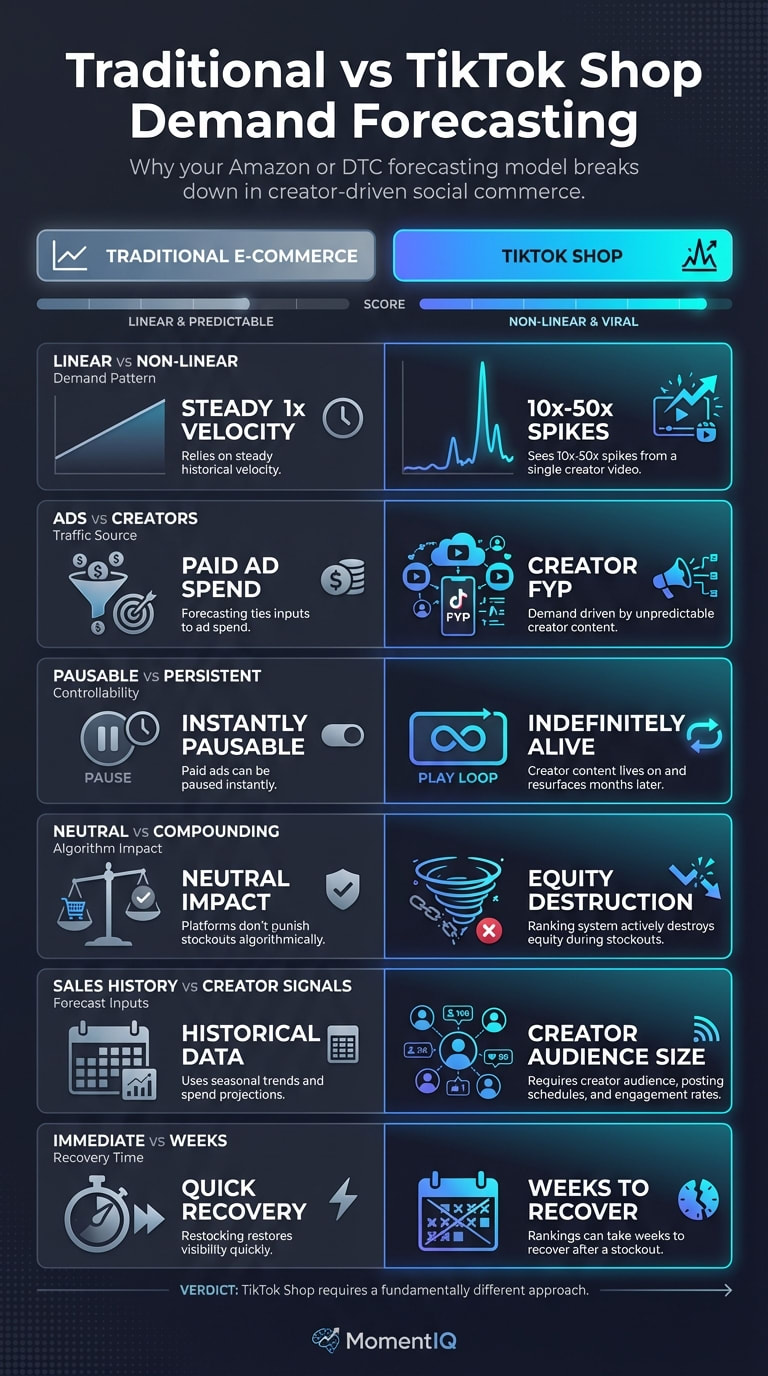
Traditional e-commerce demand forecasting relies on historical sales velocity, seasonal trends, and advertising spend projections.It assumes a relatively linear relationship between inputs (ad dollars, promotions) and outputs (units sold). You can model it in a spreadsheet and sleep soundly.
TikTok Shop doesn't work that way. Not even close.

Here's what makes TikTok Shop demand fundamentally different:
- Creator-driven demand spikes are non-linear. A single piece of content can generate 10x-50x your daily baseline sales in hours. There's no advertising equivalent to a creator video that hits the For You Page algorithm.
- Virality is unpredictable in timing but predictable in pattern. You can't know which video will pop, but you can model the probability of a spike based on creator audience size, historical engagement rates, and content posting schedules.- The algorithm compounds momentum — or kills it. TikTok Shop's product ranking algorithm heavily weights recent sales velocity, conversion rate, and fulfillment performance.A stockout doesn't just stop sales; it actively destroys the ranking equity you've built.
- Affiliate content has a long tail. Unlike paid ads you can pause, creator content lives on the platform indefinitely.A video posted three months ago can resurface and drive a demand spike you never saw coming.
According to eMarketer's 2024 Social Commerce Forecast, TikTok Shop's gross merchandise value in the U.S. is projected to exceed $17.5 billion by the end of 2025, up from approximately $9 billion in 2024.That growth is being powered by creator-driven discovery — which means the demand volatility problem is only intensifying.
The brands that win in this environment aren't the ones with the best products. They're the ones with inventory systems designed for chaos.

💡 "We can manage inventory ourselves" is the most expensive sentence in TikTok Shop.One supplement brand working with MomentIQ discovered that their internal team was consistently understocking by 40-60% ahead of creator campaigns — because they were using DTC forecasting models that couldn't account for viral amplification. After integrating MomentIQ's creator content velocity data into their demand planning, they scaled from $18K to $420K/month in 90 days without a single stockout event.

How to Forecast Demand for TikTok Shop Viral Products in 2025
Forecasting demand on TikTok Shop requires a fundamentally different framework. You need to layer creator activity signals on top of your baseline demand model. Here's the system.
Step 1: Establish Your Baseline Sales Velocity
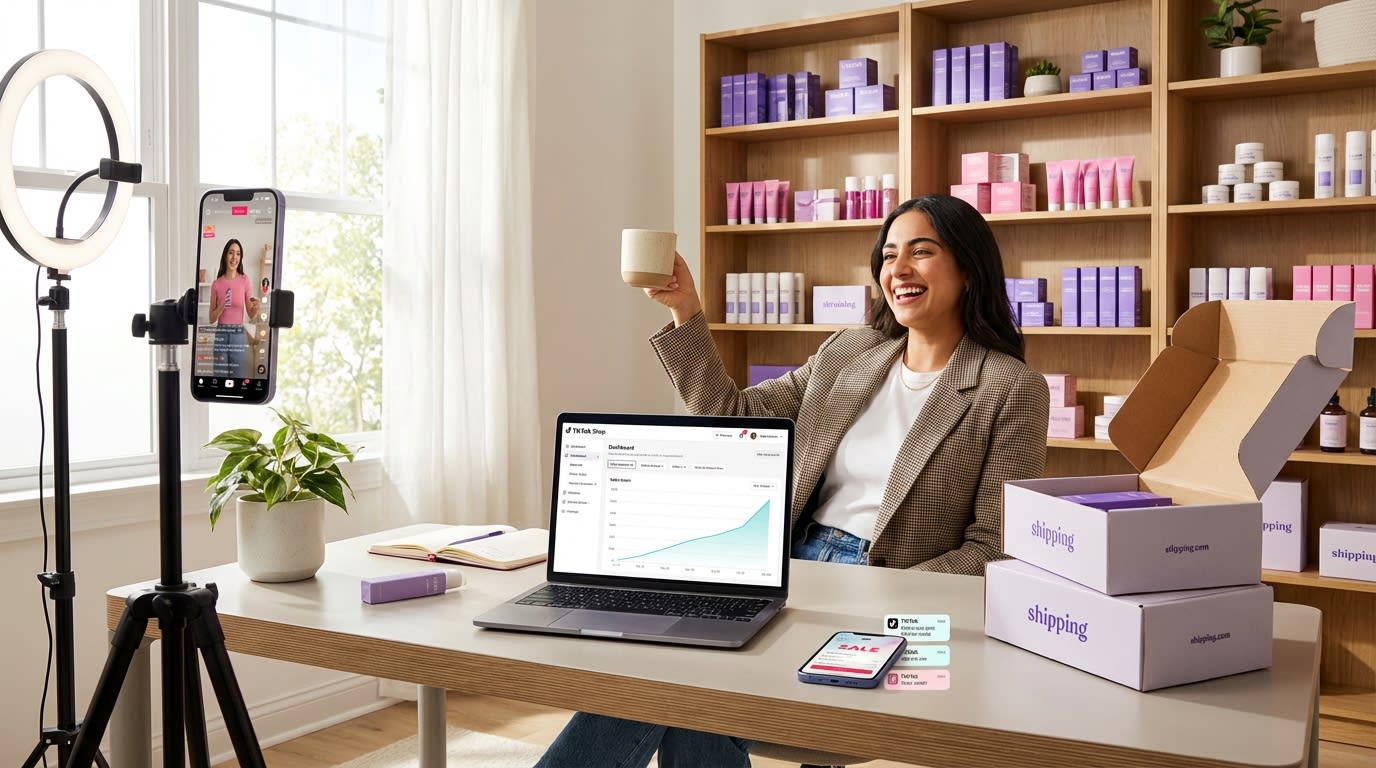
Before you can plan for spikes, you need to know your floor. Track these metrics over a rolling 30-day window:
- Daily organic units sold (no active creator content or ads running)
- Average order value (AOV)
- Conversion rate from product page views
- Return/cancellation rate
This baseline is your "quiet period" demand. It's what you sell when nothing is actively driving traffic. Most TikTok Shop sellers underestimate this number because they've never had a true quiet period — there's almost always some residual creator content driving views.
Step 2: Build a Creator Content Calendar Heat Map

This is where TikTok Shop inventory management diverges from every other channel. Your demand forecast must be directly correlated to your creator posting schedule.
For every active creator in your affiliate or seeding program, map:
- Expected posting dates (based on product delivery timelines and creator communication)
- Creator audience size and average view count (use the median, not the mean — outlier videos skew averages)
- Historical conversion rate for similar product categories
- Platform engagement trends (TikTok's algorithm favors certain content types at different times — shopping content performs differently during mega sale events)
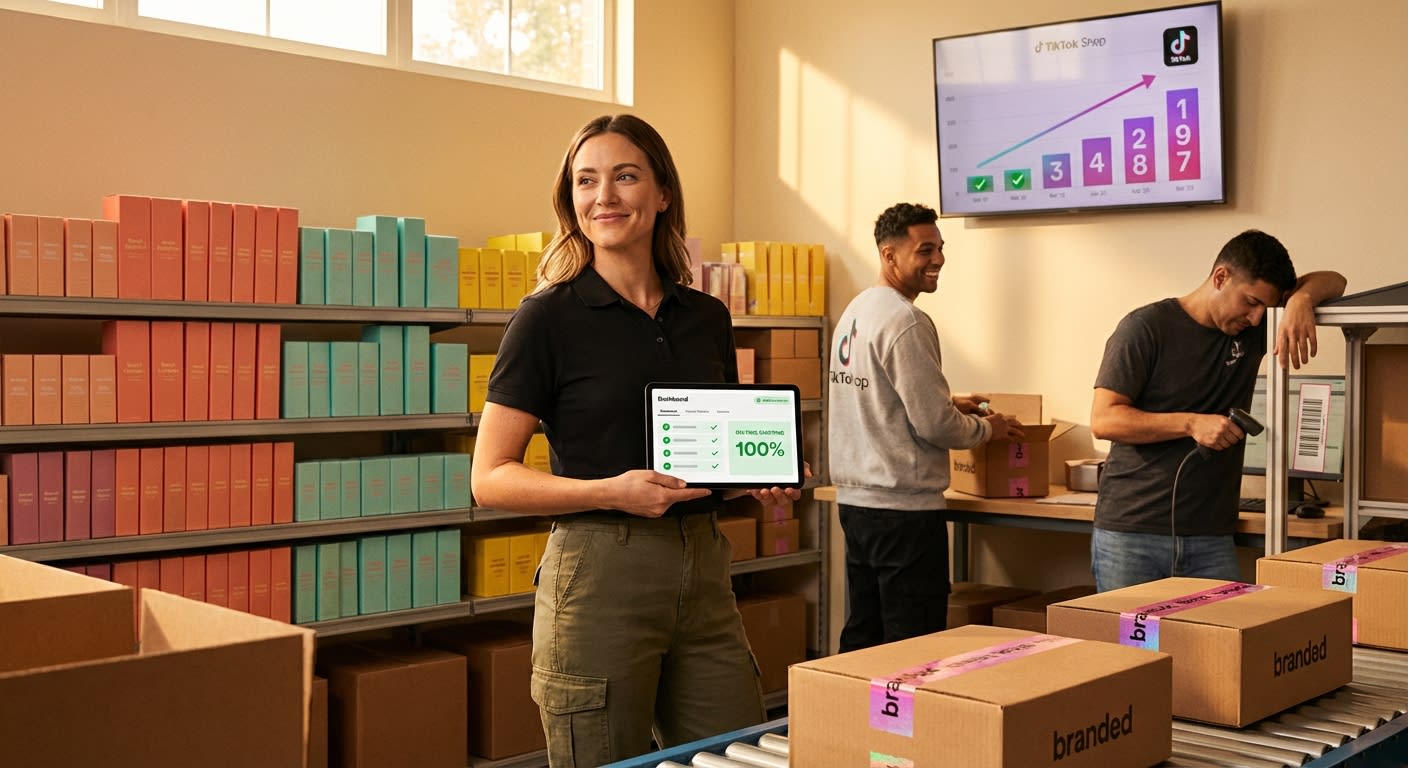
Here's a simplified demand spike probability formula:
Projected Spike Units = (Creator's Median Views × Category Conversion Rate × Viral Multiplier) ÷ AOV
The Viral Multiplier is the critical variable. For creators under 100K followers, use 1.0-1.5x. For creators between 100K-500K, use 1.5-3.0x. For creators above 500K, use 3.0-8.0x. These ranges account for the possibility that a video significantly outperforms the creator's median.
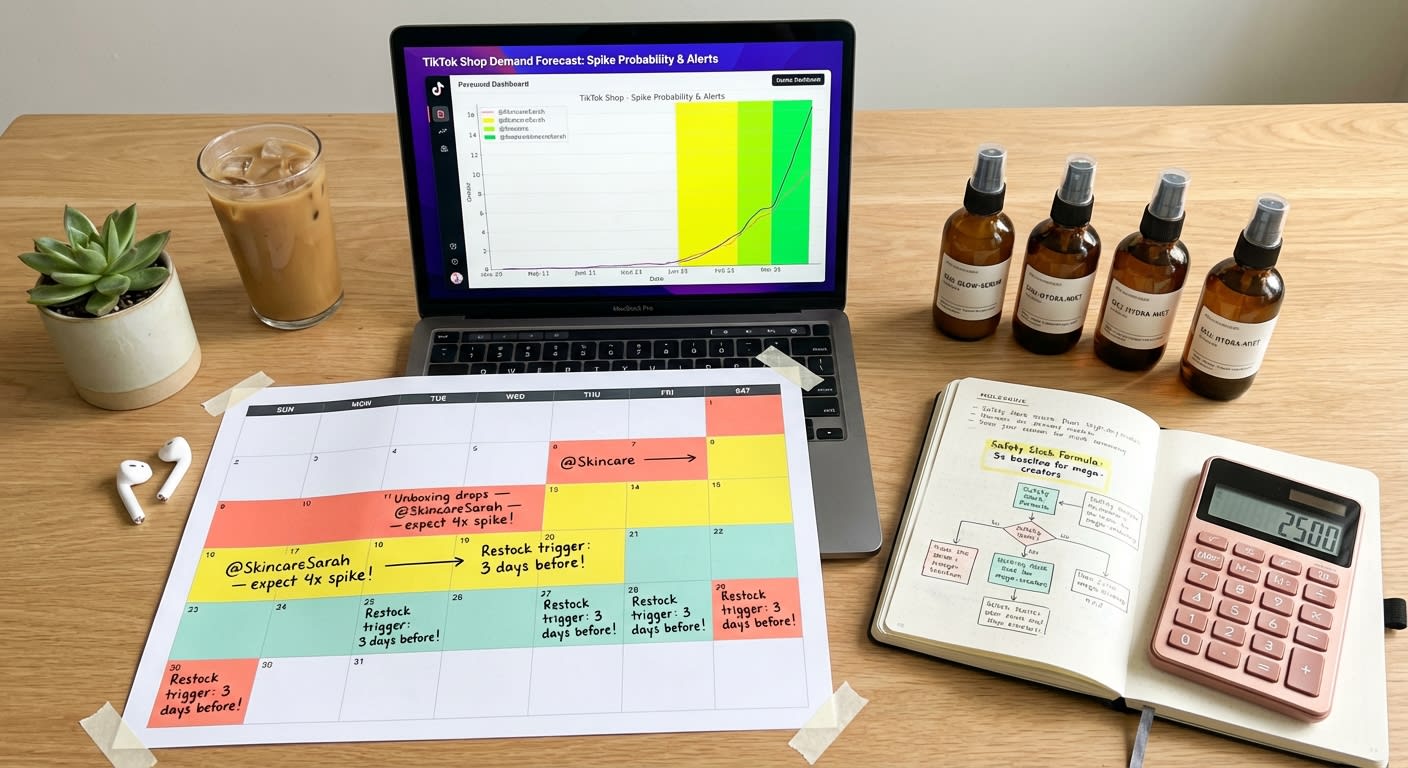
The problem? Most brands don't have the data infrastructure to run this calculation across dozens or hundreds of creators simultaneously. This is exactly why MomentIQ's proprietary analytics platform exists — it correlates creator content velocity with real-time inventory data to generate demand forecasts that actually account for social commerce volatility.
Talk to a Strategist to see how algorithmic creator matching and demand forecasting can eliminate your stockout risk before your next campaign launch.
Step 3: Calculate Safety Stock for Social Commerce
Traditional safety stock formulas use standard deviation of demand and lead time. For TikTok Shop, you need to add a creator activity buffer.

TikTok Shop Safety Stock Formula:
Safety Stock = (Maximum Daily Sales × Maximum Lead Time) – (Average Daily Sales × Average Lead Time) + Creator Activity Buffer
Your Creator Activity Buffer should equal:
- Number of active creators with pending content × Average units per creator spike × 1.5
That 1.5x multiplier accounts for the compounding effect — when one creator's video performs well, TikTok's algorithm often surfaces related products and content, triggering secondary demand from other creators' existing content.
Bold rule of thumb: if you're running a seeding campaign with 50+ creators, your safety stock should be 3-5x your normal 30-day inventory level for the seeded SKU. Yes, that sounds aggressive. But the cost of overstocking is a fraction of the cost of a stockout that kills your ranking.
Step 4: Implement Real-Time Inventory Triggers

Static forecasting isn't enough. You need dynamic triggers that alert you when demand is accelerating beyond your projections:
- Velocity alerts: When hourly units sold exceed 3x your daily average hourly rate, trigger a reorder signal
- Creator content monitoring: When a creator with 500K+ followers posts your product, immediately assess current inventory against projected spike demand
- Conversion rate spikes: A sudden increase in product page conversion rate (even before units spike) often signals that high-quality content is driving qualified traffic
- Affiliate sign-up velocity: When new creators are requesting your product samples at an accelerating rate, demand is about to follow
TikTok Shop Stockout Prevention Strategy: The Operational Playbook
Forecasting is only half the battle. You need operational systems that can actually respond to what your forecasts are telling you.
Choosing a 3PL That Can Handle TikTok Shop's Shipping SLAs
TikTok Shop's fulfillment requirements are more aggressive than most sellers realize. Late shipments and fulfillment violations directly impact your shop health score, which affects your product visibility, eligibility for promotional events, and even your ability to onboard new affiliates.

As of 2025, TikTok Shop requires:
- Ship-by time of 2-3 business days (depending on your fulfillment method)
- Delivery within 5-10 business days for standard shipping
- Order defect rate below 2% to maintain good standing
When evaluating 3PLs for TikTok Shop, prioritize these criteria:
- API integration with TikTok Shop's order management system — manual order processing will break at scale
- Burst capacity — can they handle 5-10x your normal daily volume within 24-48 hours?
- Geographic distribution — multiple fulfillment centers reduce delivery times and shipping costs
- Returns processing — TikTok Shop's return rates for impulse purchases run 15-25% higher than traditional e-commerce, according to industry benchmarks
- Inventory visibility — real-time stock level reporting, not end-of-day batch updates
Here's what most sellers get wrong: they choose a 3PL based on per-unit cost and ignore burst capacity. Then a creator video goes viral, they sell 3,000 units in 18 hours, and their 3PL takes four days to pick and pack because they're staffed for 200 units per day.
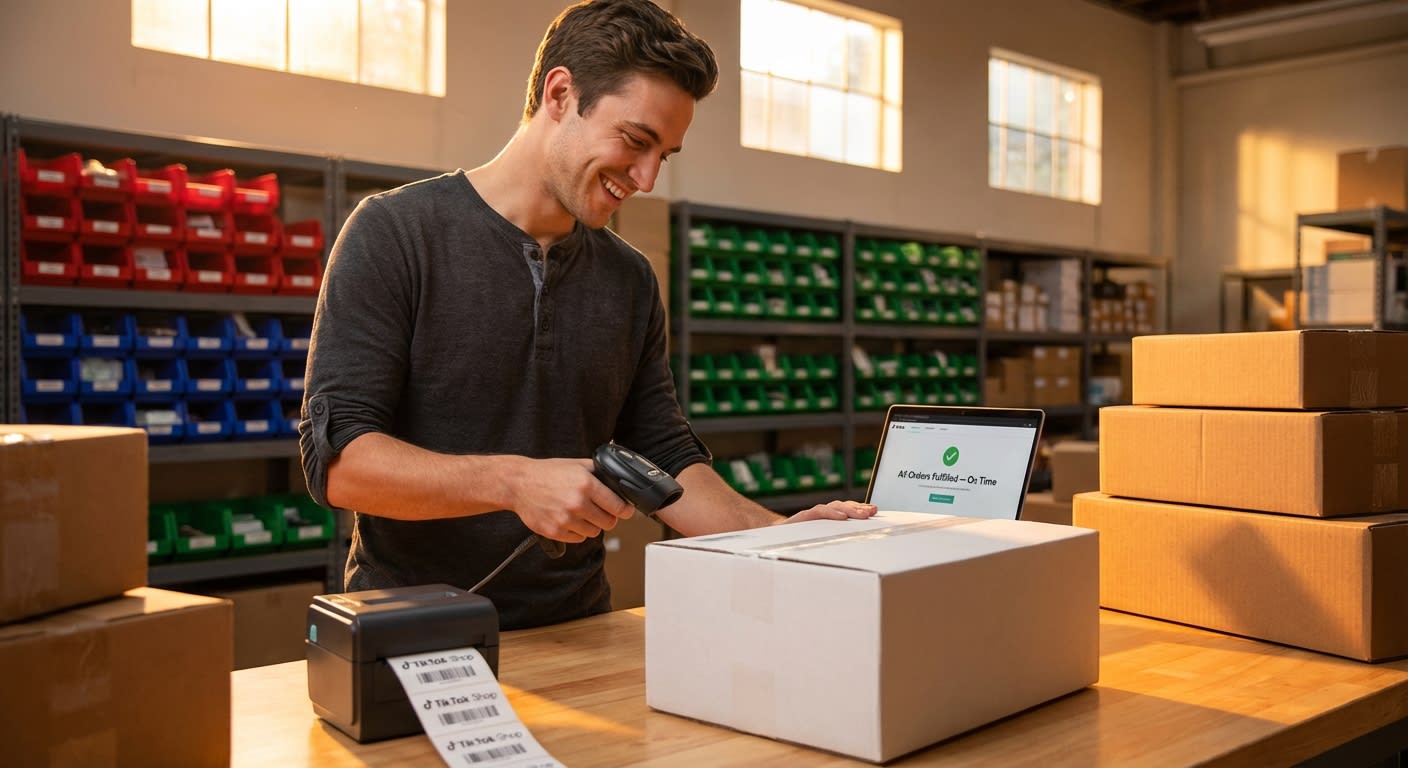
The result? SLA violations, policy flags, and a shop health score that takes months to repair. (For a deeper dive on compliance, check out our guide on TikTok Shop policies and penalty avoidance.)
Pre-Launch Inventory Staging for Seeding Campaigns
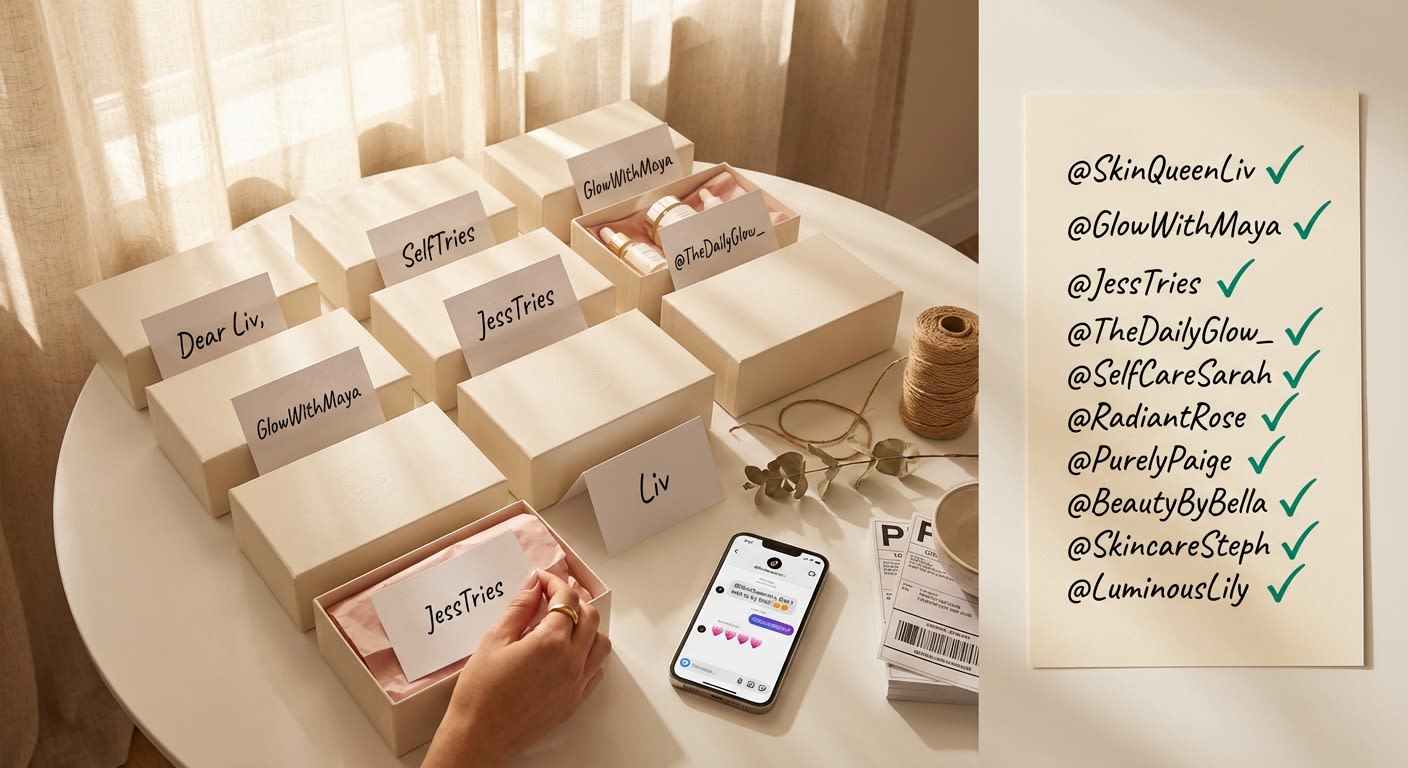
If you're running a product seeding campaign — sending free products to creators in exchange for content — your inventory staging should begin 4-6 weeks before the first product ships to creators. Not when content starts going live. Not when you see the first sales spike. Before.
Here's the staging timeline:
6 weeks before launch:
- Finalize SKU selection for seeding campaign
- Calculate total seeding units (products going to creators) + projected sales inventory
- Place production/purchase orders for 3-5x your conservative demand estimate
4 weeks before launch:
- Inventory should be arriving at your 3PL
- Confirm burst capacity with fulfillment partner
- Set up real-time inventory monitoring dashboards
2 weeks before launch:
- Products shipping to creators
- Safety stock fully positioned across fulfillment centers
- Reorder triggers activated
Launch week:
- Creator content begins posting
- Daily (or hourly) inventory monitoring
- Backup supplier on standby for emergency reorders

One home goods brand implemented this exact staging framework ahead of a 200-creator seeding campaign coordinated by MomentIQ. The result: they sold through their initial inventory projection in 11 days — but because they'd staged 4x safety stock, they maintained 100% in-stock availability throughout the entire campaign, generating $287K in GMV without a single fulfillment violation.
💡 "We don't have the budget for an agency" is a common concern — but consider the math. A single stockout event on a trending product can cost $50K-$200K in lost sales and weeks of ranking recovery. MomentIQ's campaign coordination — which includes pre-launch inventory staging guidance based on creator network data — typically delivers 5-8x ROI within the first 90 days. The question isn't whether you can afford an agency. It's whether you can afford another stockout.
How Stockouts Destroy Your TikTok Shop Ranking (And How to Recover)
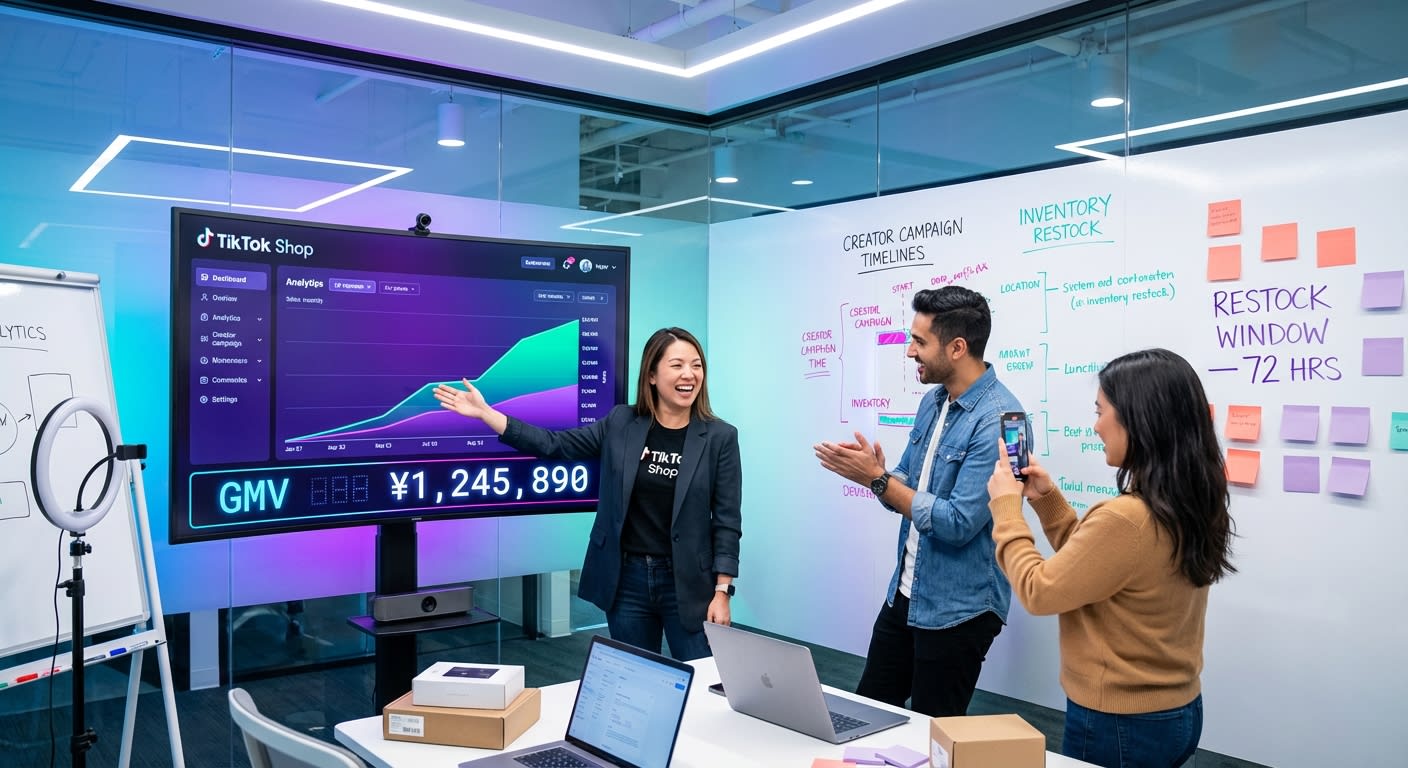
Let's quantify the damage. A stockout on TikTok Shop isn't just lost sales during the out-of-stock period. It's a cascading failure that impacts your business for weeks.
Here's the chain reaction:
- Product goes out of stock → listing becomes unavailable for purchase
- Conversion rate drops to 0% → algorithm deprioritizes your product in search and recommendations
- Active affiliate links break → creators' audiences click through to a dead listing, damaging creator trust
- Creator content ROI collapses → creators see zero commissions, reducing their willingness to promote your products in the future
- Competitor products absorb your demand → shoppers who would have bought from you purchase alternatives, training the algorithm to recommend competitors
- Restocking doesn't reset your position → you come back online at a lower ranking, facing the same competitors who captured your audience

According to TikTok's 2024 Seller Performance Report, shops that experienced stockouts on their top 3 SKUs saw an average 34% decline in organic GMV over the following 30 days, even after restocking. The algorithm has a memory, and it remembers that your product wasn't available when demand was high.
The Ranking Recovery Protocol
If you've already experienced a stockout, here's how to recover:
- Restock and immediately run a flash promotion (10-15% discount) to jumpstart sales velocity and signal to the algorithm that your product is available and converting
- Coordinate a creator content push — reach out to your top-performing affiliates and ask them to post new content within 48 hours of restocking
- Increase your TikTok Shop Ads spend temporarily — use Product Shopping Ads to drive traffic directly to your listing and rebuild conversion velocity (see our guide on TikTok Shop ad strategy)
- Run a live shopping session featuring the restocked product — live commerce gets algorithmic priority and can rapidly rebuild product visibility
- Monitor your shop health score — if the stockout triggered fulfillment violations, address them immediately through TikTok Shop's seller center

The best recovery strategy is prevention. Every dollar spent on inventory planning saves $5-$10 in recovery costs.
Turning Your Creator Network Into a Demand Forecasting Engine
Here's the insight that separates brands doing $50K/month from brands doing $500K/month on TikTok Shop: your creator network is the most powerful demand signal you have — if you know how to read it.
Every creator in your affiliate program is essentially a leading indicator of future demand. When they request samples, when they film content, when they schedule posts — each of these actions is a data point that predicts a future sales event.
The problem is that most brands treat creator management and inventory management as completely separate functions. The marketing team runs the creator program. The operations team manages inventory. They don't talk to each other until there's a crisis.

At MomentIQ, we've built our entire operational model around closing this gap. Our proprietary platform correlates creator content velocity — how many creators are actively producing content, their audience sizes, their historical performance data, and their expected posting timelines — with real-time inventory levels. This gives our brand partners something no spreadsheet can provide: a demand forecast that updates in real-time based on what's actually happening in your creator pipeline.
Here's what that looks like in practice:
A beauty brand with 150 active affiliates gets an alert that 12 creators with a combined audience of 4.2M followers have all received product samples and are expected to post within the same 72-hour window. The system automatically calculates projected demand and flags that current inventory will be depleted within 5 days at projected sell-through rates. The brand triggers an emergency reorder 10 days before the content even goes live.
A fitness supplement brand notices that their top-performing SKU is being requested by creators at 3x the normal rate. Before a single new video is posted, they increase their safety stock by 200%. When the content wave hits, they capture every sale without interruption.

This is the difference between reactive and proactive TikTok Shop inventory management. And it's why brands partnering with MomentIQ consistently avoid the stockout trap that derails their competitors.
💡 "We've tried agencies before and they didn't deliver." We hear this constantly. Here's the difference: most agencies manage creators OR manage ads. They don't touch operations. MomentIQ is a TikTok Shop Partner of the Year and TikTok Marketing Partner — one of the few agencies with direct platform integration and proprietary data that connects creator activity to inventory planning, ad performance, and fulfillment logistics. We're not a generic influencer agency bolting on TikTok as an afterthought. TikTok Shop is all we do.
Advanced TikTok Shop Inventory Strategies for 2025
Multi-SKU Inventory Balancing
If you're selling multiple products on TikTok Shop, you can't treat each SKU independently. Creator content often drives cross-selling behavior — a viral video for your hero product frequently lifts sales of complementary products by 20-40%.

Build your inventory model to account for halo effects:
- Identify which SKUs are commonly purchased together
- When you increase safety stock for a seeded product, increase complementary SKU inventory by 25-30%
- Monitor bundle and cart composition data to refine these correlations over time
Seasonal + Viral Demand Layering
TikTok Shop has its own promotional calendar — Mega Sales events, holiday shopping pushes, and platform-wide campaigns that amplify organic demand. When a creator content spike coincides with a platform promotional event, demand can be 8-15x your baseline.
Layer your forecasting:
- Base demand (organic, no active campaigns)
- + Creator campaign demand (based on your content calendar heat map)
- + Seasonal/promotional demand (based on historical platform event data)
- + Viral contingency buffer (15-25% additional safety stock for unpredictable spikes)

According to TikTok's 2024 Holiday Commerce Report, sellers who maintained full inventory availability during the November-December mega sale period saw 3.2x higher GMV than sellers who experienced even one stockout during the same period. The algorithm rewards consistency.
The "Always-On" Inventory Mindset
Here's a mindset shift that separates scaling brands from stagnant ones: on TikTok Shop, inventory is a marketing asset, not just an operational cost.
Every unit sitting in your fulfillment center is a potential sale triggered by a creator video you didn't plan for, a trending sound that features your product category, or an algorithm push that surfaces your listing to a new audience segment.
The cost of carrying extra inventory is predictable and manageable. The cost of a stockout is unpredictable and catastrophic. Err on the side of overstocking, especially for your top 3-5 SKUs.
The Hidden Cost of Waiting: Why Your Competitors Are Building Inventory Systems Now
Let's talk about what's really at stake.
TikTok Shop's U.S. marketplace is still in its rapid growth phase. According to Insider Intelligence, TikTok is projected to capture 5.1% of all U.S. e-commerce sales by the end of 2025, up from approximately 2.8% in 2024. The brands building robust operational infrastructure now — inventory systems, creator networks, fulfillment partnerships — are creating compounding advantages that will be nearly impossible for latecomers to replicate.

Here's why the window is narrowing:
- Creator relationships compound. Brands that build reliable creator partnerships now (which means never leaving creators with broken affiliate links due to stockouts) will have preferential access to top-tier creators as the platform matures.
- Algorithmic history matters. TikTok Shop's product ranking algorithm weights historical performance. Every month you maintain consistent availability and strong sales velocity builds ranking equity that new competitors can't shortcut.
- 3PL capacity is finite. The best TikTok Shop-optimized fulfillment partners are filling up. Brands that lock in partnerships and negotiate burst capacity now will have structural advantages over brands scrambling for fulfillment solutions in Q4.
- Data advantages are exponential. Every sales cycle gives you better demand forecasting data. Brands that started in 2023-2024 have two years of pattern data that new entrants don't.
"TikTok Shop is too new or risky to invest heavily in." This objection made sense in 2022. In 2025, with over 500,000 active sellers on TikTok Shop U.S. (per TikTok's official marketplace data) and GMV growing at triple-digit percentages year-over-year, the risk has flipped. The risk is NOT being on TikTok Shop with a professional operational infrastructure. Your customers are already there. Your competitors are already scaling. The only question is whether you're capturing your share.
How MomentIQ Serves as Your Early-Warning Demand System
Let's connect the dots on everything we've covered.
Effective TikTok Shop stockout prevention requires three things working in concert:
- Creator intelligence — knowing who's posting, when, and what the likely demand impact will be
- Inventory infrastructure — having the right stock levels, in the right fulfillment centers, with the right burst capacity
- Real-time correlation — connecting creator activity data to inventory levels dynamically, not in weekly planning meetings
Most brands can handle #2 on their own with a good 3PL. Almost no brand can handle #1 and #3 without a partner who lives inside the TikTok Shop ecosystem.
That's MomentIQ's unique position. As a TikTok Shop Partner of the Year and TikTok Marketing Partner, MomentIQ operates at the intersection of creator management and commerce operations:

- Algorithmic creator matching identifies and activates creators most likely to drive high-converting content for your specific products — and feeds that activation data directly into demand projections
- Managed product seeding at scale means MomentIQ controls the timeline of when creators receive products, giving you unprecedented visibility into upcoming content waves
- Proprietary analytics through the Reacher platform (reacherapp.com) enables creator outreach automation at scale while generating the content velocity data that powers demand forecasting
- Full-funnel commerce support connects your creator strategy to your ad strategy to your inventory strategy — because on TikTok Shop, these aren't separate functions
One skincare brand came to MomentIQ after experiencing three consecutive stockouts during creator campaigns, losing an estimated $180K in revenue and spending six weeks rebuilding their product rankings each time. Within 60 days of partnering with MomentIQ, they implemented a creator-correlated inventory system that has maintained 99.2% in-stock availability across 14 subsequent creator campaigns — scaling to $340K/month in consistent GMV.
That's not magic. It's what happens when your creator strategy and your inventory strategy are finally speaking the same language.
Your TikTok Shop Inventory Action Plan
Here's your immediate next-steps checklist:
- Audit your current safety stock levels against the creator activity buffer formula outlined above
- Map your creator content calendar for the next 30 days and calculate projected demand spikes for each posting window
- Evaluate your 3PL's burst capacity — can they handle 5-10x your daily volume within 24 hours?
- Set up real-time inventory velocity alerts — hourly monitoring during active creator campaigns
- Stage inventory 4-6 weeks before your next seeding campaign, not when content starts posting
- Connect your creator management and inventory planning functions — if these teams aren't sharing data, you're flying blind
The brands that dominate TikTok Shop in 2025 won't just have the best products or the best creators. They'll have the operational infrastructure that turns viral moments into sustained revenue instead of stockout disasters.
Your next viral moment is coming. The only question is whether you'll be ready to capture every dollar it generates — or whether you'll watch your ranking collapse while your competitors absorb your demand.
Talk to a Strategist and get a custom inventory staging plan built around your creator pipeline, product catalog, and growth targets. The brands that build this infrastructure now will own the algorithmic advantage that latecomers simply can't replicate.