TikTok Shop Return Rate Crisis: 9 Strategies Slash Returns
Nine strategies to slash TikTok Shop return rates: expectation-setting content, sizing fixes, and QC habits that protect margins before and after purchase.
You just had your best week on TikTok Shop. A creator's video went semi-viral, GMV spiked to five figures, and your Slack channel was buzzing with celebration emojis.
- Expect 25-40% return rates on TikTok Shop versus 14.5% in traditional e-commerce, so budget and strategize for impulse-buy remorse upfront.
- Close the expectation gap by ensuring creator content accurately represents your product, since 'didn't match expectations' is the #1 return reason.
- Cut your return rate from 30% to 15% to retain an additional $25K-$40K in monthly profit on $200K GMV.
- Protect your seller rating proactively, because TikTok's algorithm penalizes high-return shops, reducing your organic reach and creator interest.
- Brief creators with honest product framing to maintain affiliate confidence and prevent the return-driven trust erosion that kills long-term partnerships.
Then the return requests started rolling in. By day ten, 30% of those orders bounced back. Your margins evaporated, your seller rating dipped, and you're left wondering if TikTok Shop is a revenue engine or a revolving door.
Here's the uncomfortable truth: TikTok Shop's impulse-driven discovery model – the very thing that makes it so powerful for top-of-funnel sales – also creates a TikTok Shop return rate problem that can silently destroy your profitability. According to a 2024 Appriss Retail report, social commerce return rates average between 25% and 40%, significantly higher than the 14.5% average for traditional e-commerce cited by the National Retail Federation.
But here's what separates brands that scale sustainably from those that flame out: return rate is a solvable problem. Brands solving it now are building a compounding margin advantage that latecomers won't be able to replicate.
This guide breaks down nine battle-tested strategies to reduce your TikTok Shop return rate by up to 50% — spanning listing optimization, creator briefing frameworks, packaging upgrades, and return policy architecture. These aren't theoretical. They're the exact levers that MomentIQ deploys for brands scaling through TikTok Shop, and they work.
Let's fix the leak in your funnel.
Why TikTok Shop Return Rates Are Higher Than Traditional E-Commerce
Before we solve the problem, we need to understand why it exists. TikTok Shop isn't Amazon. The purchase psychology is fundamentally different.
The Impulse Purchase Engine
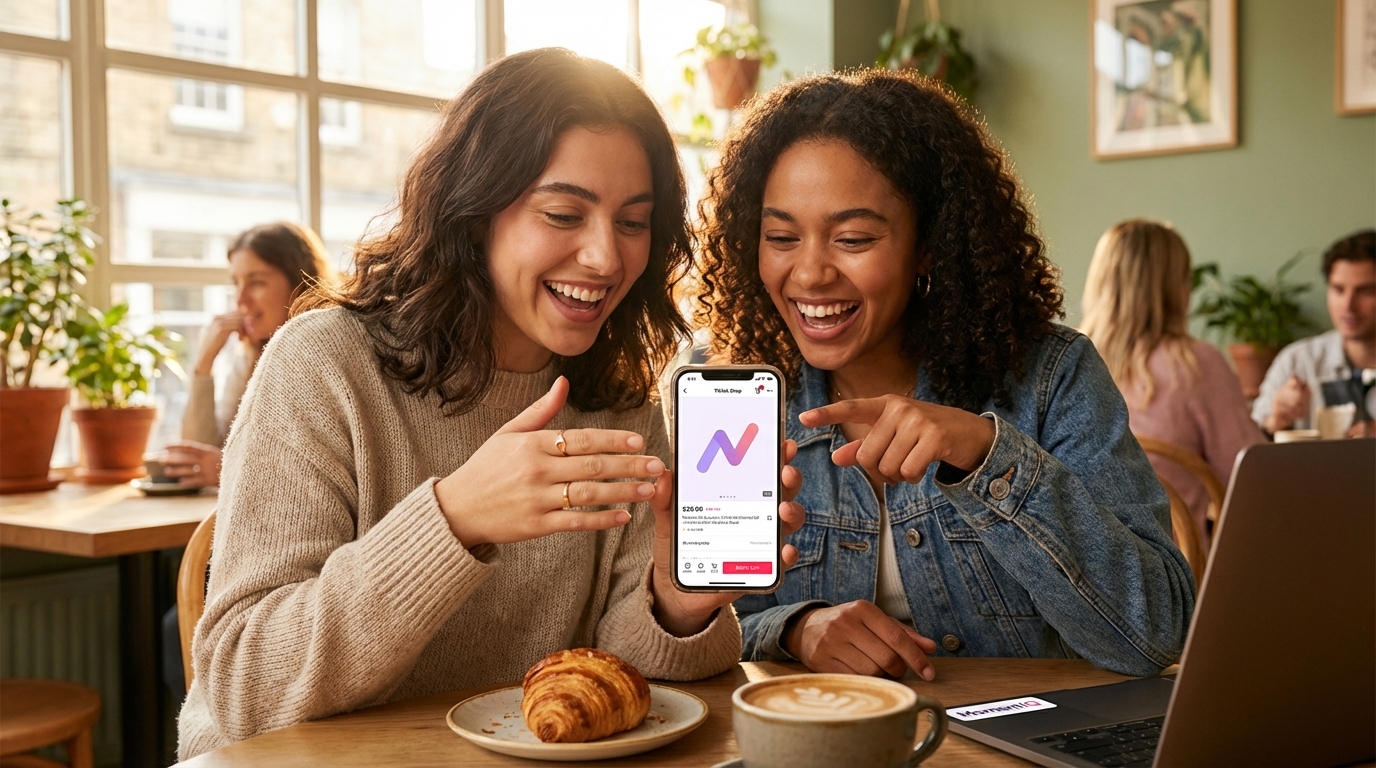
TikTok's algorithm serves content based on engagement signals, not purchase intent. A user scrolling at 11 PM isn't searching for a jade roller — they're watching a creator use one, feel a dopamine spike, and tap "Buy" before the video ends. The friction between discovery and purchase is nearly zero, which is incredible for conversion rates but dangerous for post-purchase satisfaction.
Statista projects that U.S. social commerce revenue will reach $80 billion by 2025, with TikTok Shop capturing an increasingly dominant share. But that growth comes with a structural challenge: when buyers don't actively search for a product, they're statistically more likely to experience buyer's remorse.
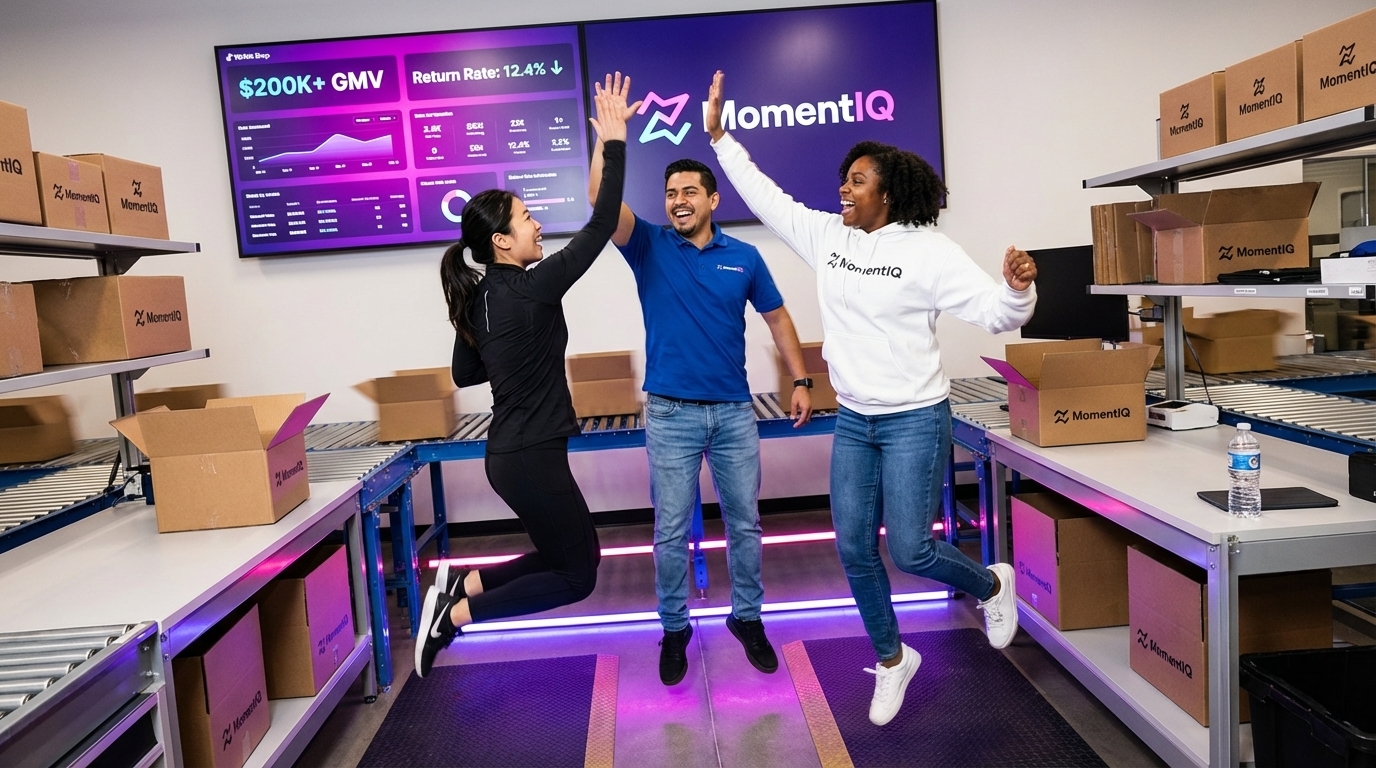
This impulse-driven environment often leads to a higher TikTok Shop return rate as initial excitement fades.
The Expectation Gap
Creator content — especially high-performing content — is inherently persuasive. It's designed to showcase products in the most compelling light possible. But when the product arrives and doesn't match the emotionally charged presentation from a 30-second video, returns spike.
A 2023 TikTok Commerce internal survey found that "product didn't match expectations" was the #1 cited reason for returns on the platform, outpacing sizing issues and shipping damage combined.
The Hidden Cost Most Sellers Underestimate
Returns don't just cost you the product and shipping. They cost you:
- Seller rating degradation: TikTok's algorithm penalizes high-return shops, impacting your seller score and visibility.
- Affiliate creator confidence: Creators avoid promoting products with known return issues, affecting creator retention.
- Inventory distortion: Returned units tie up capital and warehouse space.
- CAC inflation: You're paying to acquire customers who don't stick, increasing your ad scaling costs.
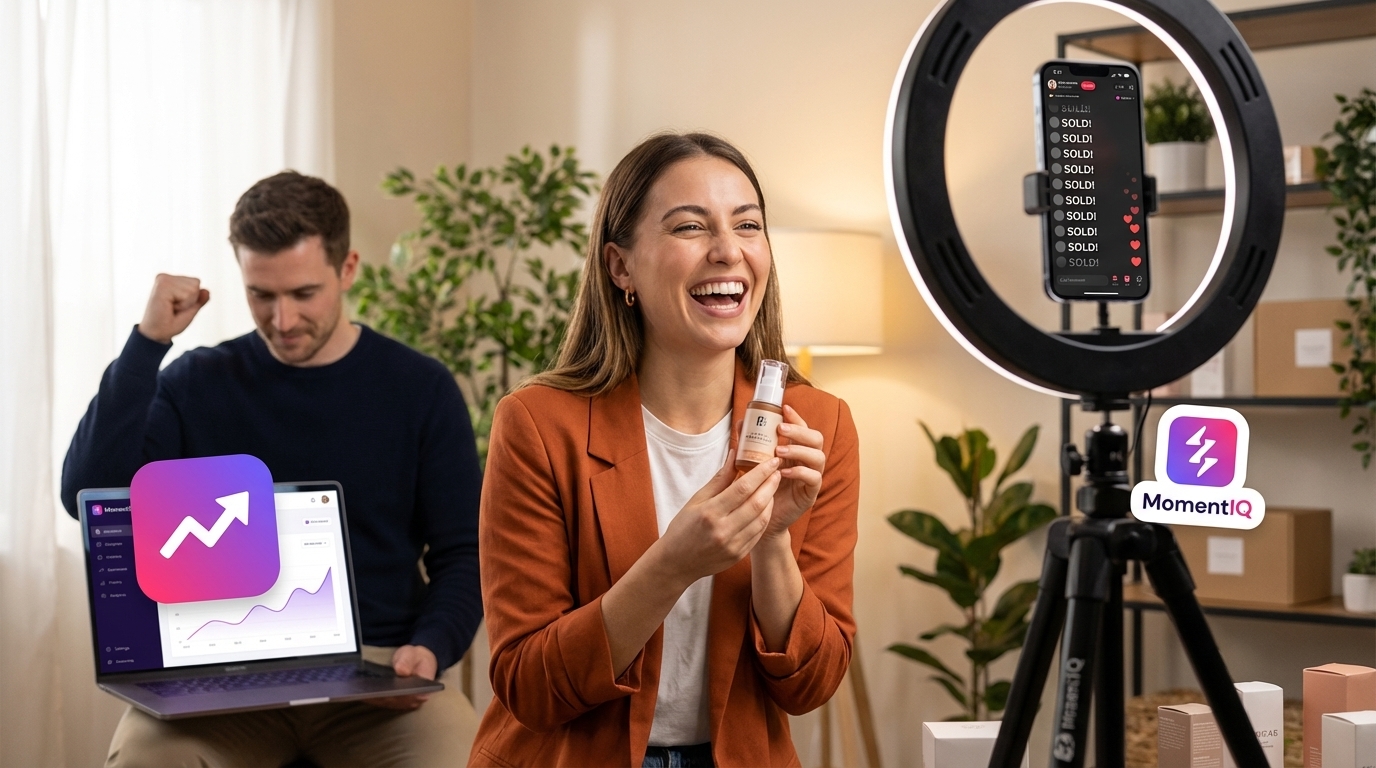
Every percentage point you reduce your return rate flows directly to your bottom line. For a brand doing $200K/month in GMV, cutting returns from 30% to 15% can mean an additional $25K–$40K in retained profit monthly.
Now, let's talk solutions to reduce TikTok Shop returns.
Brands working with a dedicated TikTok Shop management partner consistently outperform those going it alone.
Strategy 1: Rewrite Product Listings to Set Accurate Expectations
Your product listing is your first line of defense against returns. Most TikTok Shop sellers treat listings like Amazon bullet points — feature dumps optimized for search, not for setting expectations.
The return-reducing listing follows a different framework: Expectation Calibration.
Here's what that looks like in practice:
- Lead with the most common misconception. If your product is smaller than it appears on camera, the first bullet should address dimensions with a relatable comparison ("Fits in the palm of your hand — about the size of a credit card").
- Include a "What This Product Is NOT" section. Explicitly stating what the product doesn't do filters out mismatched buyers before checkout.
- Use lifestyle images alongside scale images. Show the product in context AND next to common objects for size reference.
One home goods brand working with MomentIQ's strategists reduced returns by 22% in 30 days simply by adding a "size in hand" image and rewriting their first three bullet points to address the top three return reasons from their analytics.
Pro tip: Pull your return reason data from TikTok Seller Center weekly. The top three reasons should directly inform your listing copy. This is a living document, not a set-it-and-forget-it asset.
We've covered listing copywriting for conversion in our existing guide on TikTok Shop product listing optimization, but optimizing for return reduction is a distinct discipline — one that requires balancing persuasion with precision.
Strategy 2: Build Creator Briefing Templates That Reduce the Expectation Gap
This is where most brands — especially those managing creators in-house — leave massive money on the table. Your creators are your salesforce. If they overpromise, you pay the return cost.
The problem isn't that creators are dishonest. It's that without clear guardrails, they naturally gravitate toward the most dramatic, attention-grabbing claims because that's what drives views. And views don't pay your bills if 35% of those orders come back.
The Return-Proof Creator Brief
Every creator brief should include a dedicated "Accuracy Guardrails" section:
- Mandatory disclosures: Specific claims they must include (e.g., "This serum takes 4-6 weeks for visible results" rather than "instant glow").
- Prohibited language: Terms that historically correlate with high returns ("miracle," "instant," "replaces your [expensive competitor]").
- Required demonstration format: Instead of just showing the product in perfect lighting, require creators to show it in everyday conditions — natural light, real skin, actual use case.
- Scale reference requirement: For physical products, require at least one shot showing the product next to a common object.
Brands that implement structured creator briefs with accuracy guardrails see 15-25% lower return rates on creator-driven sales compared to brands that give creators full creative freedom with no expectation guidelines.
Here's the challenge: if you're working with 50, 100, or 500+ creators, enforcing brief compliance manually is impossible. This is exactly why brands partner with agencies like MomentIQ — algorithmic creator matching paired with scalable brief enforcement means you get authentic, high-converting content that doesn't trigger return avalanches.
Strategy 3: Implement Pre-Purchase Expectation Videos on Your Product Pages
TikTok Shop allows you to add multiple videos to your product detail pages. Most sellers use these slots for additional promotional content. That's a mistake.
Dedicate at least one video slot to a "What to Expect" video. This isn't a sales video. It's a return prevention asset.
What to include:
- Unboxing in real-time showing actual packaging, product size, and included components.
- Honest texture/material demonstration (how the fabric actually feels, how the cream actually applies).
- Timeline to results for any product with a delayed benefit.
- Common "first use" experiences that might otherwise cause alarm (e.g., "The supplement may cause a slight tingle — that's normal and means it's working").
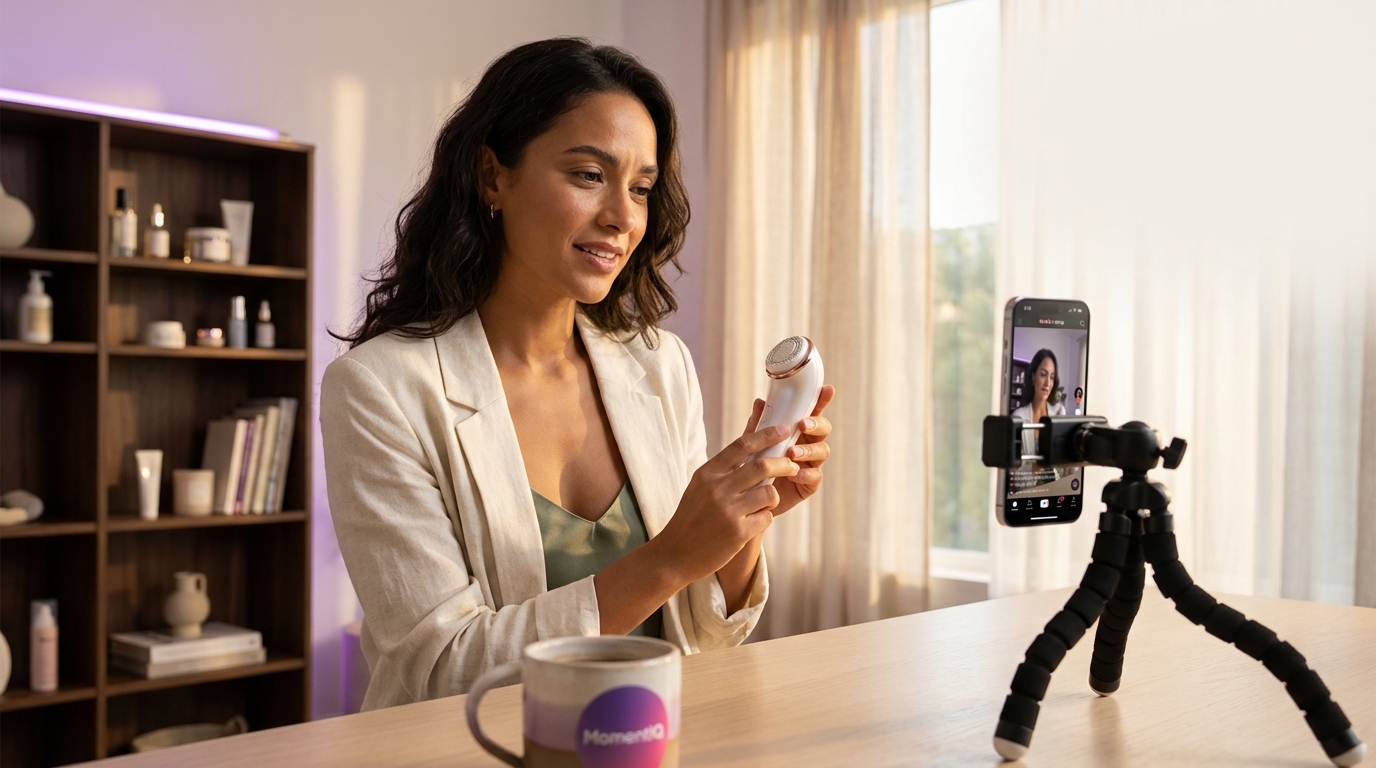
According to TikTok's 2024 Commerce Best Practices report, product pages with three or more videos see 41% higher conversion rates. But the key insight most sellers miss is that the type of video matters more than the quantity. A single expectation-calibration video can reduce TikTok Shop returns more effectively than three additional hype videos.
Strategy 4: Optimize Your TikTok Shop Return Policy for Margin Protection
Let's talk about TikTok Shop return policy optimization — the lever most sellers either ignore or get completely wrong.
TikTok Shop mandates certain baseline return protections for buyers. You can't eliminate returns. But you can architect your policy to reduce frivolous returns while maintaining buyer confidence.
The Policy Optimization Framework
- Shorten your return window strategically. TikTok requires a minimum return period, but many sellers default to longer windows than necessary. Shorter windows (within platform guidelines) create urgency to keep the product rather than sitting on the fence.
- Require photo/video evidence for "not as described" claims. This single change can reduce fraudulent returns by 20-30%. Buyers who genuinely received a defective product won't mind providing evidence. Impulse returners often abandon the process.
- Offer exchanges before refunds. When a buyer initiates a return, present exchange options first — different size, different shade, different variant. Exchange-first flows convert 15-25% of would-be returns into retained revenue.
- Implement a restocking fee for non-defective returns (where permitted by TikTok's seller policies). Even a modest fee creates enough friction to deter impulse returns without alienating genuine buyers.
⚠️ Critical compliance note: Always verify that your return policy modifications comply with TikTok Shop's current seller policies. Platform rules evolve frequently, and non-compliance can result in shop suspension.
Strategy 5: Deploy Post-Purchase Nurture Sequences That Prevent Buyer's Remorse
The 48 hours after purchase are the danger zone for returns. This is when buyer's remorse peaks, and a single moment of doubt can trigger a return request.
Smart sellers don't wait passively. They actively reinforce the purchase decision.
Here's the post-purchase nurture sequence that top-performing TikTok Shop brands use:
- Immediate order confirmation with a "Here's what to expect" message including realistic delivery timeline and product usage tips.
- Day 1-2: "Getting ready for you" message with a short video showing the product being packed or a behind-the-scenes look at quality control.
- Delivery day: Usage guide sent proactively — "Your [product] just arrived! Here's how to get the best results in your first week."
- Day 3-5 post-delivery: Check-in message asking about their experience and offering support BEFORE they consider a return.
Brands that implement post-purchase nurture sequences report 18-28% lower return rates compared to brands that go silent after the sale. The psychology is simple: when a buyer feels supported and informed, they're far more likely to give the product a fair chance. This is a key part of a robust customer retention strategy.
Are Returns Eating Your TikTok Shop Margins? Let's Fix That.
Most brands we talk to are losing 15-30% of their GMV to preventable returns. That's not a TikTok Shop problem — it's a strategy problem. And it's solvable.
MomentIQ's strategists help brands build return-resilient TikTok Shop operations — from creator briefing frameworks that prevent expectation gaps to listing optimization that filters out mismatched buyers before checkout.
Schedule your free TikTok Shop growth audit at bemomentiq.com and see exactly where your return rate is leaking profit — plus a custom roadmap to cut it in half.
Strategy 6: Use Product Bundling and Kitting to Increase Perceived Value and Reduce Returns
Here's a counterintuitive insight: bundled products get returned at significantly lower rates than individual items.
Why? Three reasons:
- Higher perceived value makes buyers feel they got a deal, reducing post-purchase regret.
- Multiple items create multiple touchpoints — even if one product underwhelms, the bundle as a whole may satisfy.
- Return friction increases when a buyer has to return multiple items versus one.
How to Bundle for Return Reduction
- Pair your hero product with a complementary accessory that enhances the experience (e.g., a skincare serum bundled with an applicator tool).
- Include a "quick start" printed guide inside the package that immediately shows the buyer how to get maximum value.
- Add a surprise bonus item — even something small — that wasn't advertised. This triggers reciprocity bias and makes buyers feel they received more than expected.
One supplement brand reduced their return rate from 28% to 14% by switching from single-product listings to curated "starter kits" that included a usage guide, a sample of a complementary product, and a personalized note. Their GMV actually increased by 35% simultaneously because the higher AOV from bundles more than offset the slight increase in COGS.
Strategy 7: Leverage TikTok Shop Analytics to Identify and Fix Return Patterns
You can't fix what you don't measure. And most TikTok Shop sellers are flying blind on returns.
Your return data tells a story. The brands that read it win.
Here's what to track weekly:
- Return rate by SKU: Identify your worst offenders. Often, 20% of your SKUs drive 80% of your returns. This helps pinpoint products needing listing optimization.
- Return rate by creator: Some creators' content consistently drives higher returns. This isn't about punishing them — it's about adjusting their creator briefs.
- Return rate by content type: Do returns spike after live shopping events versus short-form videos? The answer will reshape your content strategy.
- Return reason categorization: Map every return to a reason code and track trends over time.
- Return rate by time of purchase: Late-night impulse purchases (10 PM–2 AM) typically return at 2x the rate of daytime purchases. This data should inform your ad scheduling.
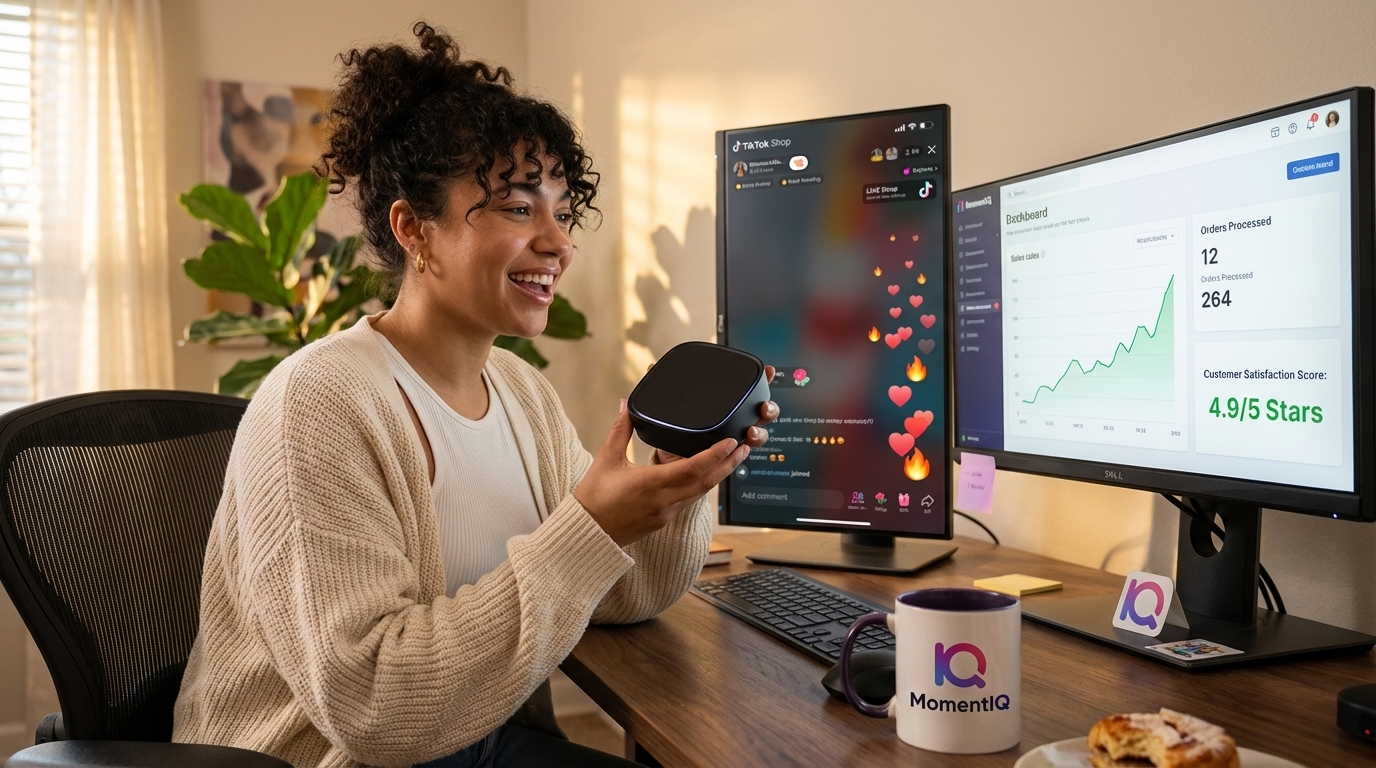
TikTok's Seller Center provides baseline return analytics, but sophisticated brands layer in additional tracking to connect return patterns to specific creators, content pieces, and campaign windows.
This is where MomentIQ's proprietary data analytics platform provides a decisive edge. We don't just track what's selling — we track what's sticking. Our analytics connect creator performance to post-purchase outcomes, so brands can optimize for retained revenue, not just gross GMV.
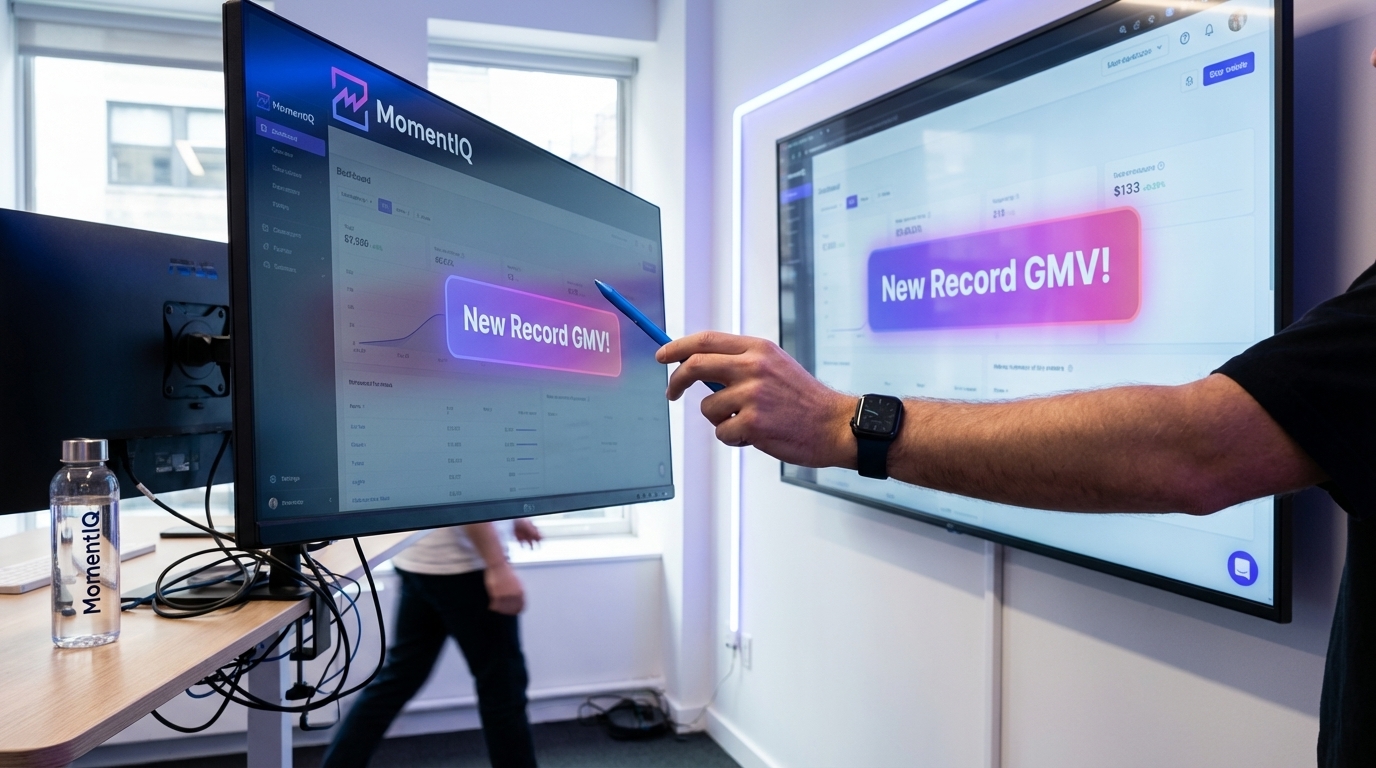
One beauty brand discovered through this analysis that a single mega-creator was driving 40% of their returns despite generating only 15% of their GMV. By adjusting that creator's brief — not dropping them — they reduced overall returns by 19% while maintaining sales volume.
Strategy 8: Upgrade Packaging to Create an Unboxing Experience That Reinforces Value
The moment a TikTok Shop buyer opens their package is the moment of truth. If the unboxing experience feels cheap, the return is already half-decided.
Remember: these buyers were sold through high-production creator content. The product arrived via an algorithm-driven impulse purchase. The physical experience needs to match — or at least not dramatically disappoint — the digital experience.
The Return-Reducing Unboxing Checklist
- Branded packaging (even simple branded tissue paper or a sticker elevates perceived value).
- A "Thank You" card with usage instructions — not a generic card, but one that specifically addresses how to get the most from the product they bought.
- QR code linking to a video tutorial for product setup or first use.
- Clear "Give it 7 days" messaging that sets a timeline for results (for products with delayed benefits).
- A feedback channel that routes to your support team BEFORE the buyer goes to TikTok's return portal.
According to Dotcom Distribution's 2024 packaging study, 52% of online shoppers say premium packaging makes them more likely to recommend a product, and 40% say it makes them less likely to return it. The ROI on packaging upgrades is often 5-10x when measured against TikTok Shop return rate reduction.
Strategy 9: Build a "Save the Sale" Intervention System for Return Requests
The final strategy is the most immediately impactful — and the most underutilized.
When a buyer initiates a return, that's not the end of the conversation. It's the beginning of a negotiation.
Top-performing TikTok Shop sellers implement a "save the sale" workflow:
- Immediate automated response acknowledging the return request and asking for the specific issue.
- Personalized troubleshooting within 2 hours — if the issue is usage-related, send a video tutorial.
- Offer a partial refund or store credit to keep the product (often 15-25% of the purchase price is enough to flip a return into a keep).
- If the return proceeds, offer an exchange for a different variant before processing the refund.
- Post-return follow-up with a discount code for a future purchase — because a returned customer is still a customer.
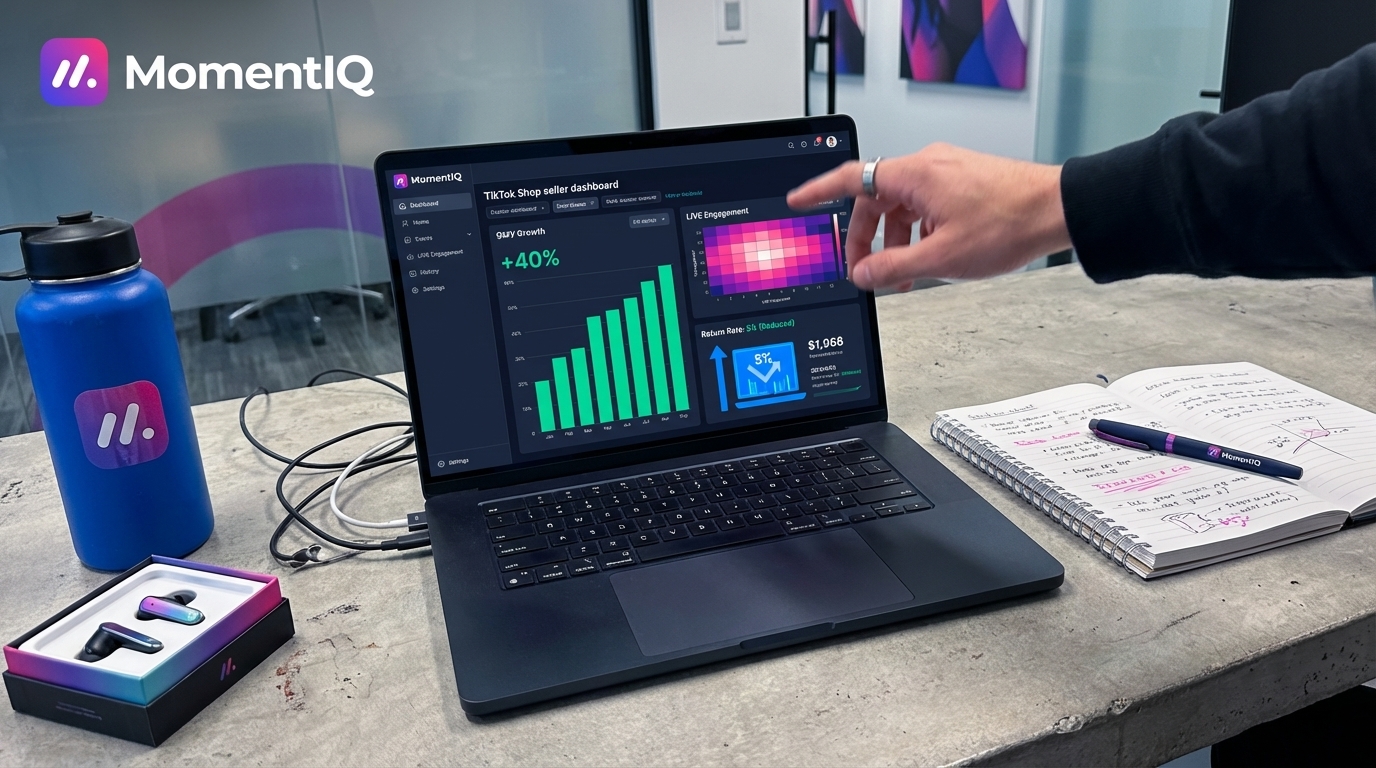
Brands that implement save-the-sale workflows convert 20-35% of return requests into retained sales. That's not a rounding error — for a brand doing $300K/month in GMV with a 25% return rate, converting even 25% of returns into keeps represents $18,750 in monthly recovered revenue.
The Objections You're Already Thinking (And Why They Don't Hold Up)
If you've read this far, you're likely thinking one of these things. Let's address them head-on.
"We can handle this ourselves — we don't need an agency."
Maybe. If you're doing under $50K/month in GMV and working with fewer than 20 creators, you can probably implement these strategies manually. But here's the math that changes at scale: managing creator briefs, monitoring return analytics by creator, running save-the-sale workflows, and optimizing listings across 50+ SKUs requires dedicated operational infrastructure. Most brands that try to do this in-house either burn out their team or execute inconsistently — which is worse than not doing it at all.
"We've worked with agencies before and got burned."
Most agencies in the TikTok space are glorified influencer matchmakers. They connect you with creators, take their commission, and disappear when returns eat your margins. MomentIQ is a TikTok Shop Partner of the Year and a certified TikTok Marketing Partner — not a generic influencer agency. The difference is structural: we're embedded in TikTok's commerce ecosystem, with access to platform data, beta features, and direct support channels that independent sellers and generic agencies simply don't have.
"TikTok Shop is still too risky to invest heavily in."
TikTok Shop generated over $33 billion in global GMV in 2024, according to FastMoss data. In the U.S. alone, the platform is on pace to become the third-largest e-commerce channel by transaction volume within the next two years, per eMarketer projections. The risk isn't being on TikTok Shop — it's being on TikTok Shop without a strategy that accounts for the platform's unique dynamics, including return rate management.
"The ROI on reducing returns can't be that significant."

Let's do the math. A brand doing $250K/month in GMV with a 30% return rate is losing $75K/month to returns. Even after accounting for restockable inventory, the net loss (shipping, processing, damaged goods, rating impact) is typically 40-60% of the return value — so $30K-$45K/month in pure margin destruction. Cutting that return rate in half saves $15K-$22K/month. Over a year, that's $180K-$264K flowing directly to your bottom line. What agency fee wouldn't be worth that?
The Compounding Advantage of Solving Returns Now
Here's what most sellers miss about TikTok Shop return rates: the algorithm rewards low-return sellers.
TikTok's commerce algorithm factors seller rating, fulfillment speed, and return rate into product visibility. Shops with lower return rates get:
- Higher organic placement in the Shop tab and search results.
- Better affiliate creator acceptance rates (top creators check seller ratings before accepting collaboration requests).
- Access to premium platform features and promotional opportunities.
- Lower effective CAC because organic visibility reduces dependence on paid ads.
This creates a flywheel effect. Brands that reduce TikTok Shop returns now build algorithmic advantages that compound over time. Brands that ignore the problem face a death spiral: high returns → lower ratings → fewer creators → less visibility → higher CAC → thinner margins → inability to invest in growth.
The window to establish yourself as a high-trust, low-return seller on TikTok Shop is narrowing. As more brands flood the platform — TikTok Shop's U.S. seller base grew by over 300% in 2024 — the competition for algorithmic favor intensifies. The brands building their return-reduction infrastructure today will own positions that latecomers can't buy their way into.
Your Return Rate Reduction Roadmap: Where to Start This Week
Don't try to implement all nine strategies simultaneously. Here's the prioritized sequence based on impact and implementation speed:
Week 1: Quick Wins
- Pull your return reason data from Seller Center and identify your top 3 return drivers.
- Rewrite your top 5 SKU listings to address those specific return reasons.
- Add a "What to Expect" video to your highest-volume product pages.
Week 2-3: Creator Infrastructure
- Build your return-proof creator brief template with accuracy guardrails.
- Audit your top 10 creators' content for expectation-gap language.
- Implement return rate tracking by creator.
Week 4-6: Systems and Policy
- Launch your post-purchase nurture sequence.
- Implement your save-the-sale workflow for return requests.
- Optimize your return policy within TikTok's guidelines.
Week 7-12: Scale and Optimize
- Upgrade packaging with unboxing experience elements.
- Test product bundling on your highest-return SKUs.
- Build weekly return analytics reviews into your operations cadence.
For brands ready to scale, MomentIQ's TikTok Shop management services provide end-to-end support from catalog optimization to fulfillment.
For official resources, see the TikTok Shop Seller Center and TikTok for Business.
Conclusion: Stop Treating Returns as a Cost of Doing Business
The brands that are quietly dominating TikTok Shop right now aren't just the ones with the best creators or the most viral content. They're the ones that have solved the return equation.
They've built systems that match the right products with the right buyers through the right content — and then reinforce that purchase decision from checkout through delivery through first use.
That's not something you stumble into. It's something you engineer.
MomentIQ engineers return-resilient TikTok Shop growth. As TikTok's Shop Partner of the Year, we've helped brands across beauty, supplements, home goods, and fitness build operations that scale GMV while protecting margins — because top-line revenue means nothing if 30% of it walks back out the door.
One supplement brand came to us with a 32% return rate and $18K/month in GMV. Within 90 days, using our algorithmic creator matching system, structured briefing frameworks, and post-purchase optimization playbook, they scaled to $420K/month with a 13% return rate. That's not just growth — that's profitable, sustainable growth.
Your competitors are solving this problem right now. Every week you wait, they're building algorithmic advantages and creator relationships that become harder to catch.
Schedule your free TikTok Shop strategy session at bemomentiq.com and get a custom return rate audit, creator briefing framework, and 90-day roadmap to cut your returns in half while scaling GMV.
The brands that build return-reduction infrastructure today will own TikTok Shop tomorrow. The question is whether you'll be one of them.