TikTok Shop Seller Fees: 2025 Profit Breakdown
TikTok Shop seller fees explained: commission, transaction, and fulfillment costs broken down so you can price every SKU for real profitability.
As the social commerce landscape evolves, understanding the exact breakdown of TikTok Shop seller fees is no longer optional for DTC founders—it is the baseline for survival. Brands that fail to optimize their margins against platform costs are finding themselves moving massive volume with zero bottom-line impact. Meanwhile, strategic sellers are leveraging algorithmic creator matching to offset these fees, driving unprecedented profitability.
- Anticipate TikTok Shop's 2025 baseline fees of 8% commission plus $0.30 per transaction to accurately calculate your net margins.
- Offset platform fees by strategically reducing Customer Acquisition Cost (CAC), treating them as a variable, not a fixed penalty.
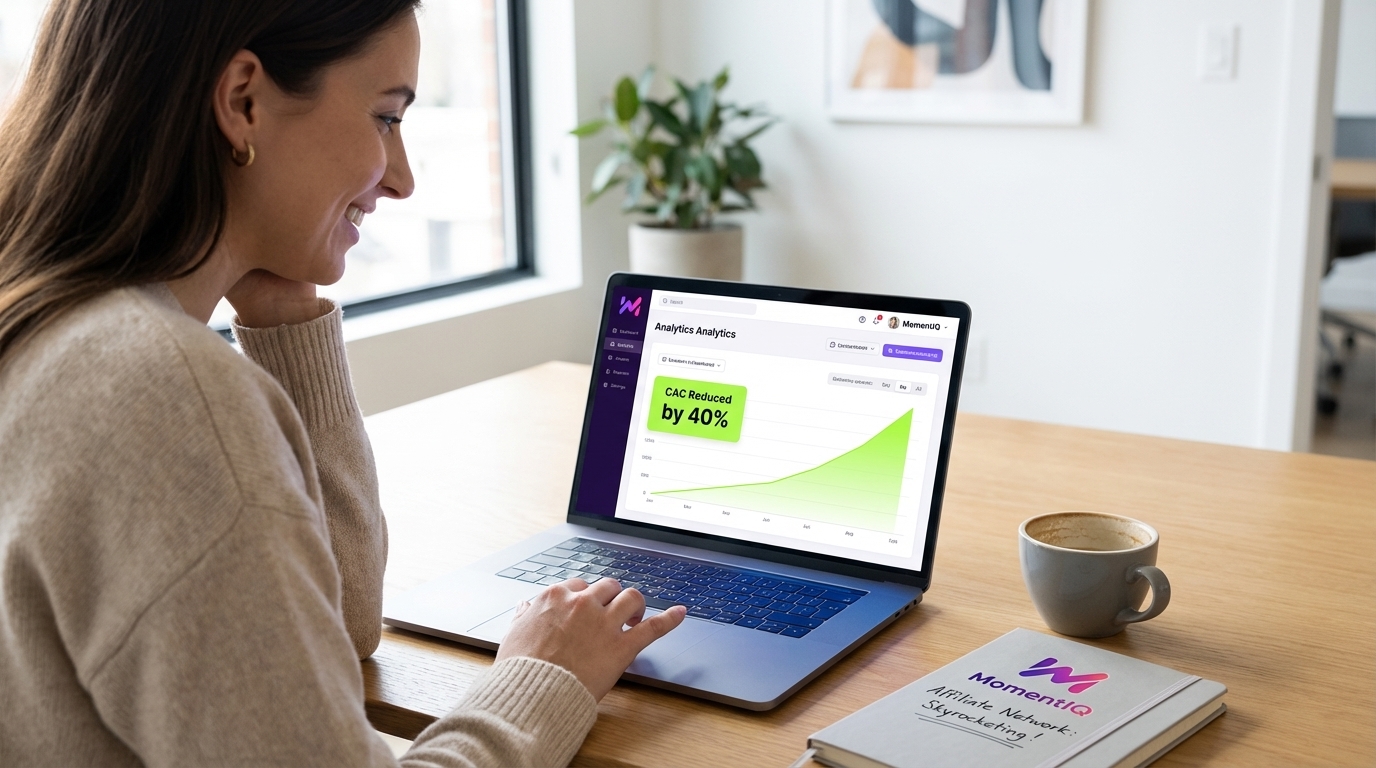
- Leverage automated affiliate networks to reduce your CAC by 40%, directly neutralizing the impact of TikTok Shop commissions.
- Account for hidden costs like payment processing, shipping subsidies, and inventory storage to protect your overall DTC profitability.
The window of opportunity on TikTok Shop is still open, but the mechanics of success have fundamentally changed. Early adopters enjoyed highly subsidized platform costs, but as the ecosystem matures in 2025, sellers must navigate a standardized fee structure. Competitors are already scaling their affiliate networks to dilute these costs, and the compounding cost of delay is steeper than ever.
Here is what most sellers get wrong: they treat platform fees as a fixed penalty rather than a variable that can be offset through aggressive customer acquisition cost (CAC) reduction. By mastering the affiliate ecosystem and leveraging proprietary data, brands can completely neutralize the impact of platform commissions.
How Much Does TikTok Shop Take in 2025?
When brand managers ask how much does TikTok Shop take, the answer requires a nuanced look at the platform's multi-tiered fee structure. In 2025, TikTok has transitioned away from its early-stage promotional rates to a more sustainable, long-term economic model for the platform.
For most standard product categories, the baseline TikTok Shop commission rate sits at 8% per transaction, plus a nominal $0.30 per-order transaction fee. This structure brings the platform into closer alignment with legacy marketplaces, though it still offers vastly superior organic reach and viral potential.
However, this baseline rate is just the starting point. Sellers must also account for payment processing fees, shipping subsidies, and potential co-funded discount margins. When you factor in the cost of goods sold (COGS) and fulfillment, the net margin can shrink rapidly if your customer acquisition strategy relies solely on paid media.
According to eMarketer, US social commerce sales are projected to cross the $100 billion mark by 2025. To capture a profitable slice of this massive pie, sellers must deeply understand every line item on their settlement reports. The brands crushing it on TikTok Shop are not the ones complaining about the 8% fee; they are the ones reducing their CAC by 40% through automated affiliate networks to protect their net margins.
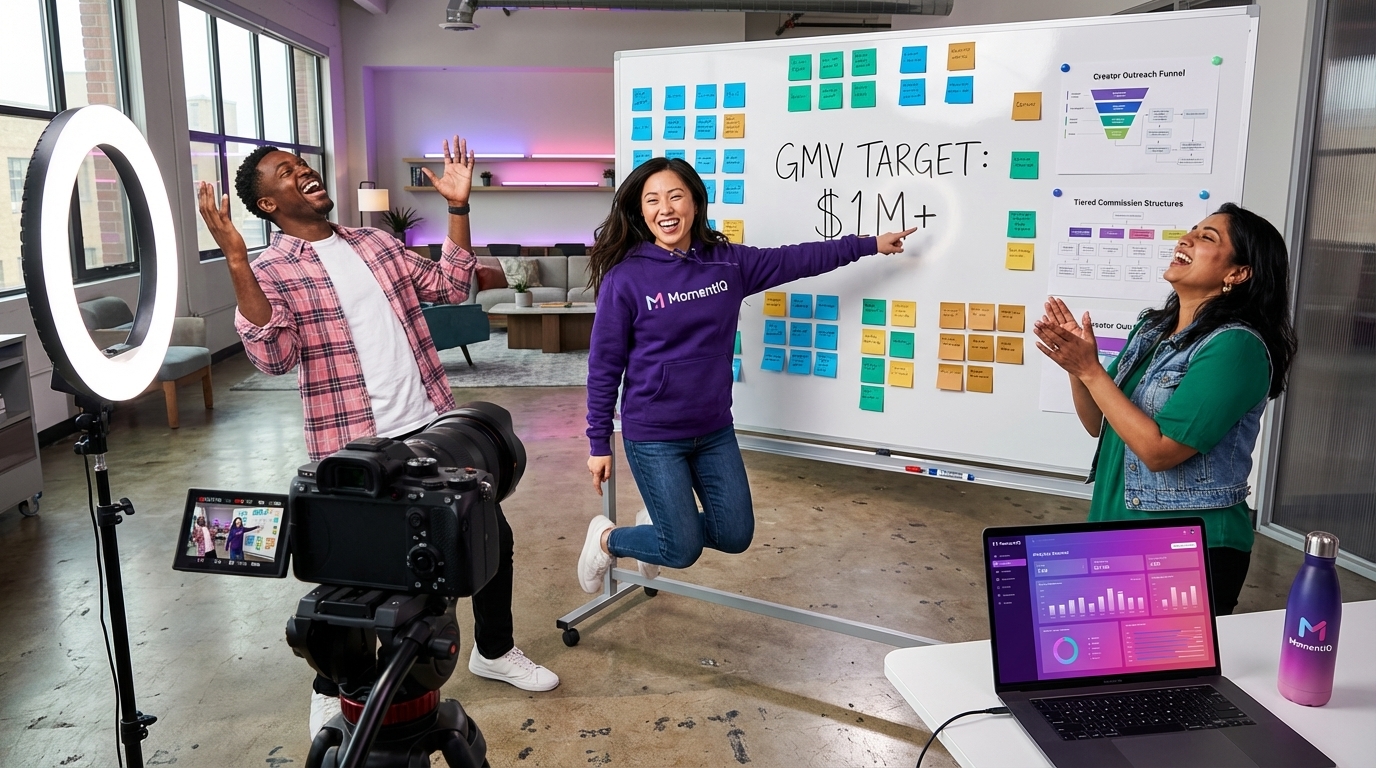
Brands working with a dedicated TikTok Shop management partner consistently outperform those going it alone.
The Hidden Costs Destroying DTC Margins
Beyond the official platform fees, TikTok Shop sellers face a barrage of hidden costs that quietly erode profitability. If you are a brand manager currently dealing with inventory sitting in TikTok warehouses, you already know the pain of storage fees compounding against stagnant sales.
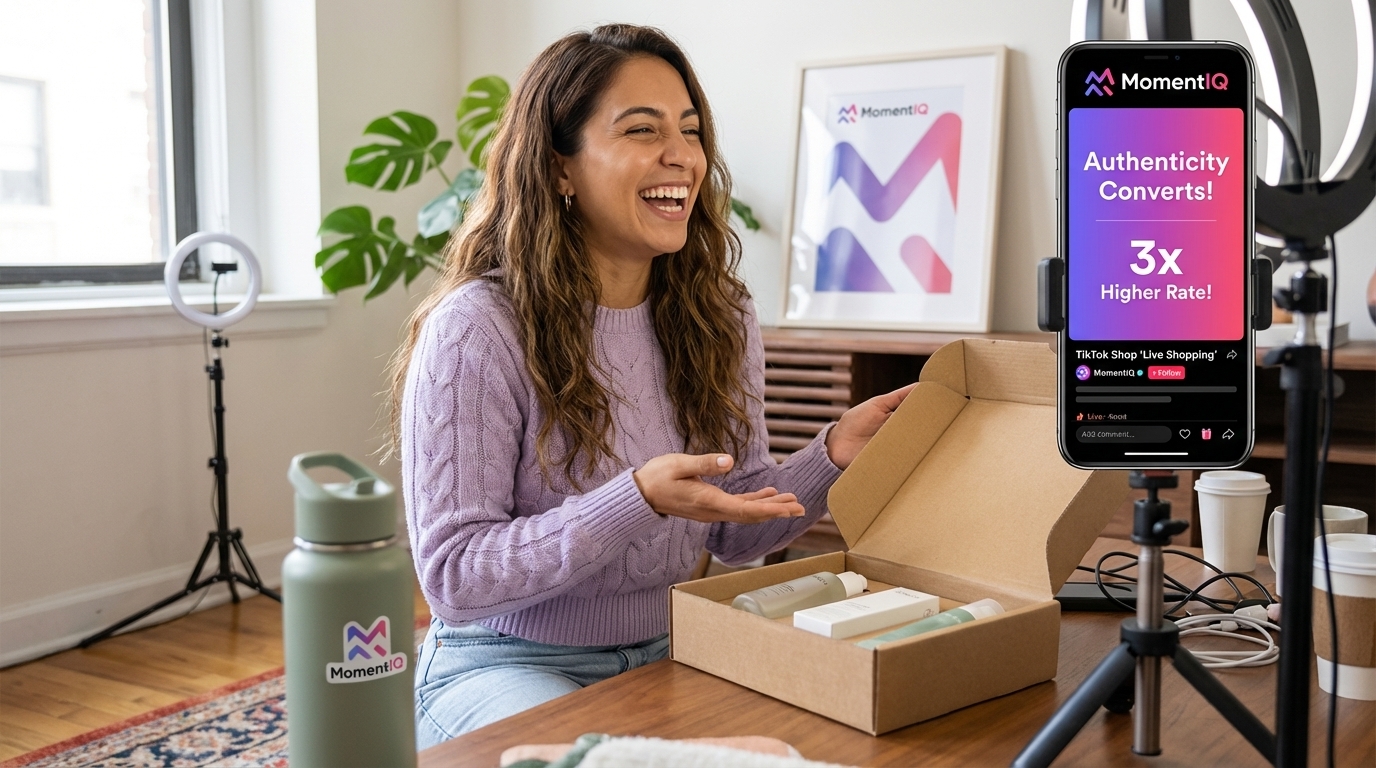
One of the most significant margin killers is the content-to-conversion gap. Brands spend thousands of dollars producing high-gloss creative assets, only to find that this content flatlines on the FYP (For You Page). On TikTok, authenticity converts at a 3x higher rate than polished studio productions. When your content fails to convert, your effective CAC skyrockets, making the platform's baseline commission feel insurmountable. This is why authentic, high-converting content is crucial for profitability.
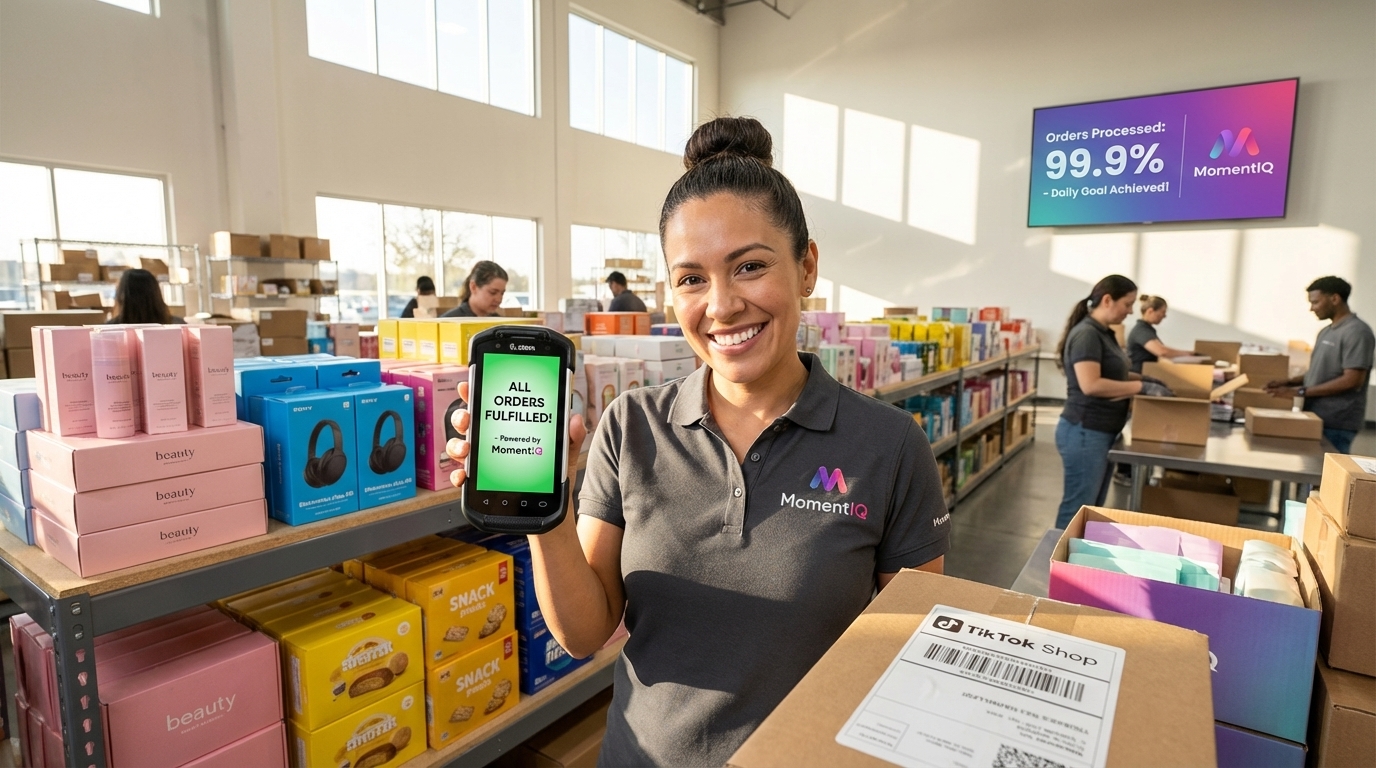
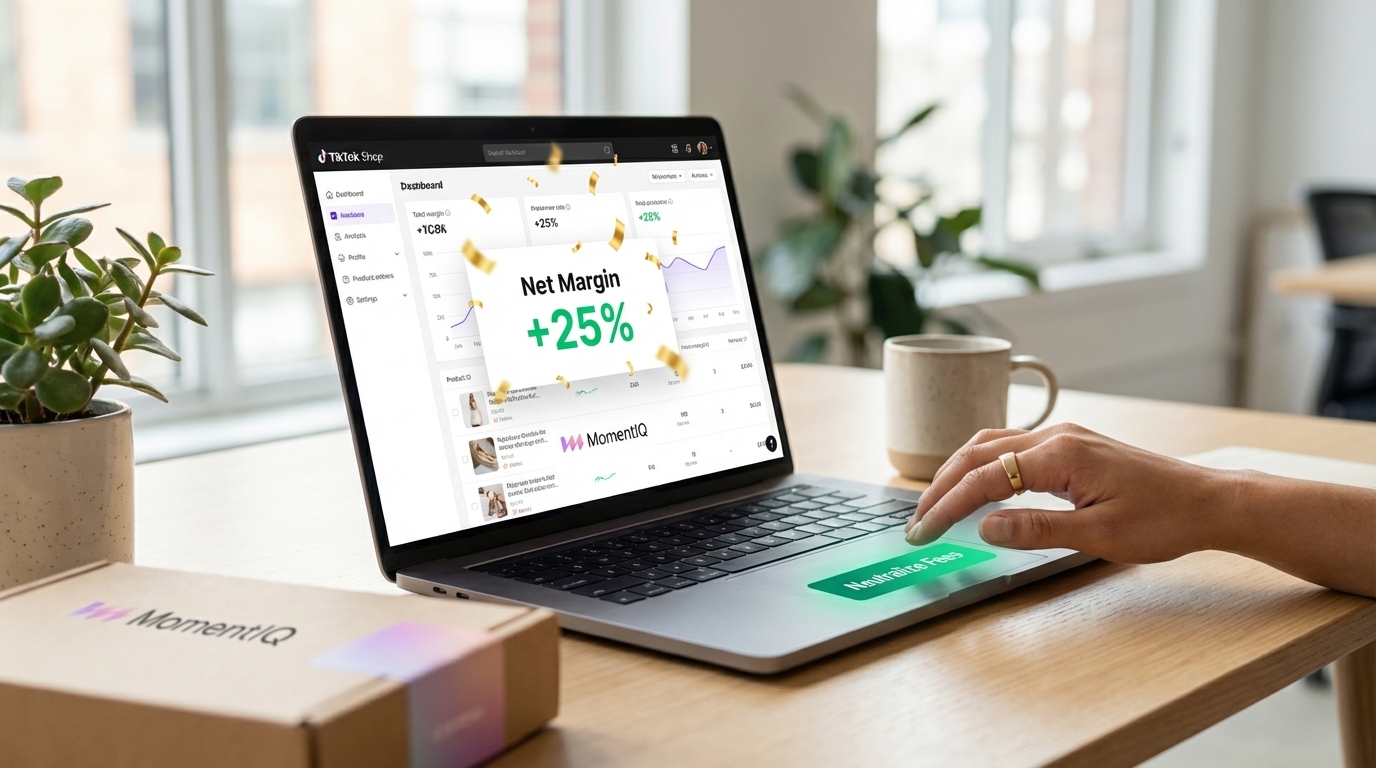
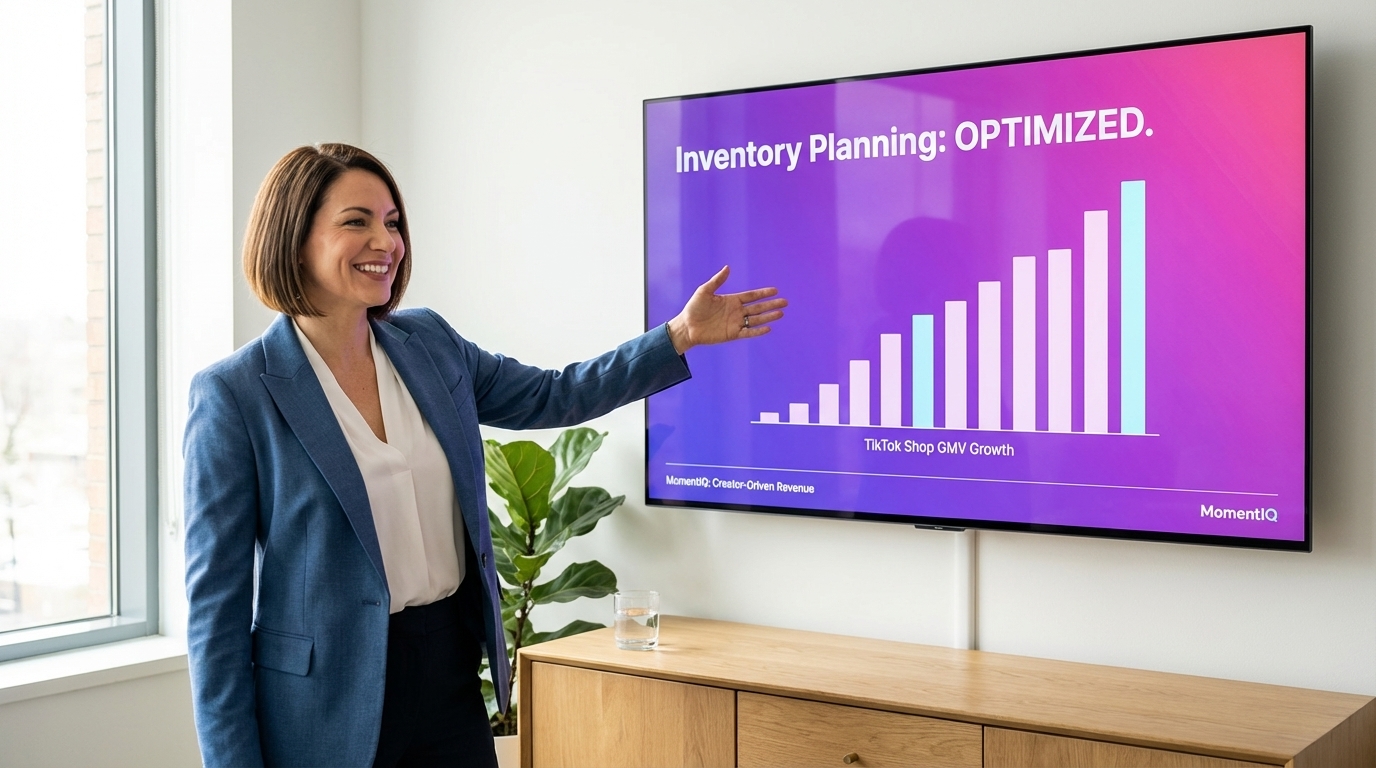
Furthermore, the manual grind of creator outreach is a massive drain on operational resources. Brands waste countless hours sending direct messages to creators, only to face abysmal affiliate acceptance rates and rampant creator ghosting. When a creator finally does agree to post, the resulting GMV inconsistency—a viral spike followed by weeks of silence—makes inventory planning nearly impossible.
Why DIY Creator Management Fails at Scale
Many DTC founders operate under the assumption that they can handle creator outreach internally. The common refrain is, "We can manage creators ourselves and save money." This is a critical miscalculation of how scale works in modern social commerce.
Manual outreach limits a brand to contacting perhaps 50 to 100 creators per week. Of those, maybe 5% will respond, and 1% will actually post converting content. This manual bottleneck makes it mathematically impossible to generate the volume of shoppable videos required to appease the algorithm.
To truly offset TikTok Shop seller fees, you need thousands of micro-creators posting simultaneously. This creates a ubiquitous brand presence that signals relevance to the algorithm, driving organic traffic that costs you nothing in ad spend. In-house teams simply cannot achieve this velocity without proprietary technology.
How to Offset Platform Fees with High-Volume Affiliate GMV
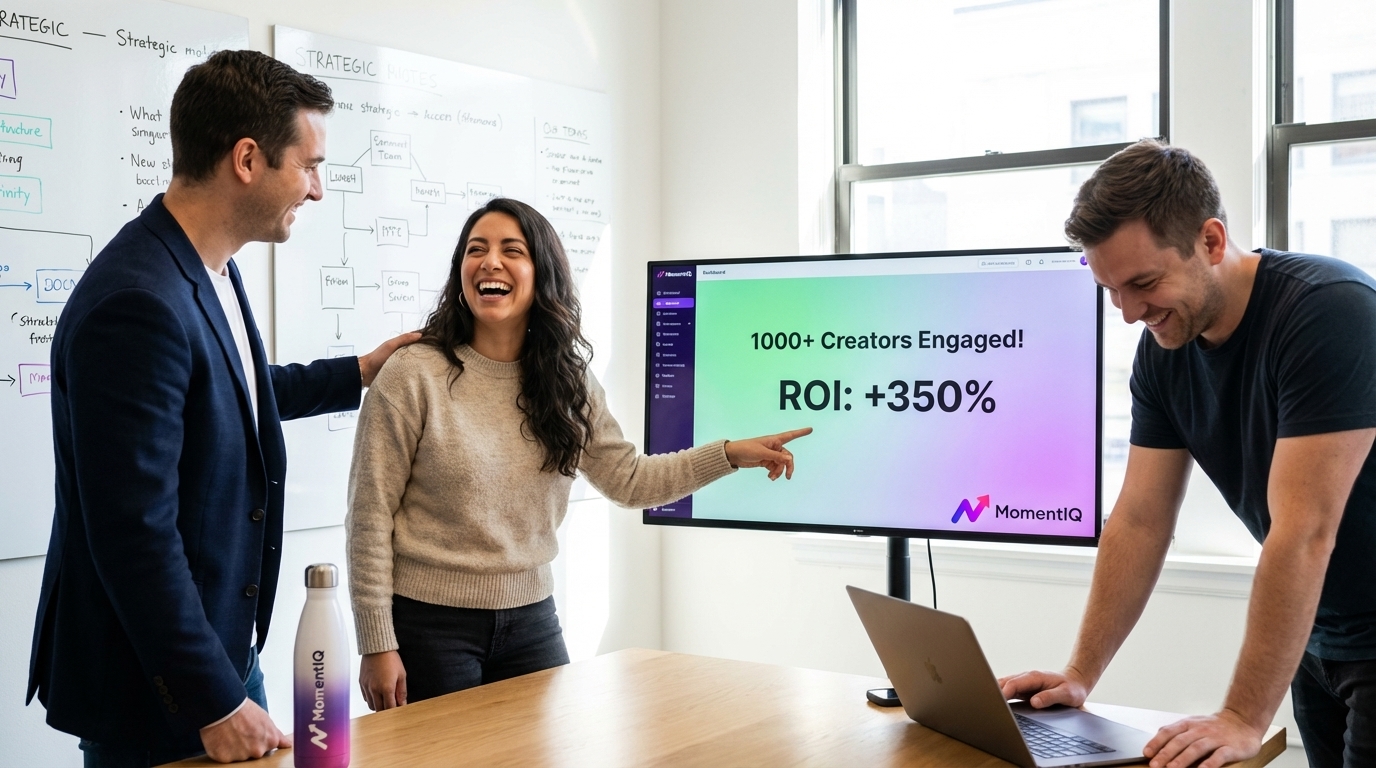
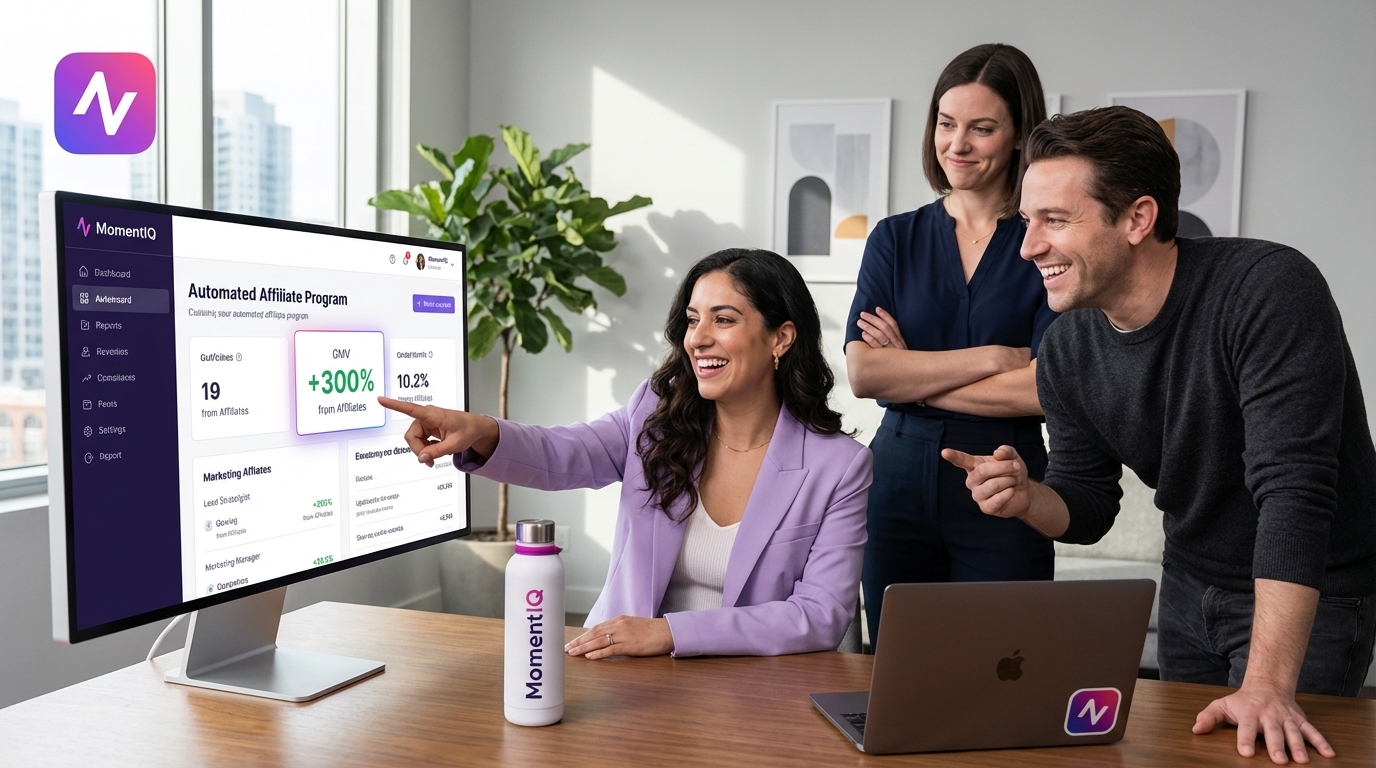
To protect your profit margins, you must shift your focus from platform fees to affiliate-driven GMV. By building a massive, automated affiliate program, you effectively outsource your content creation and customer acquisition to thousands of commission-only sales reps.
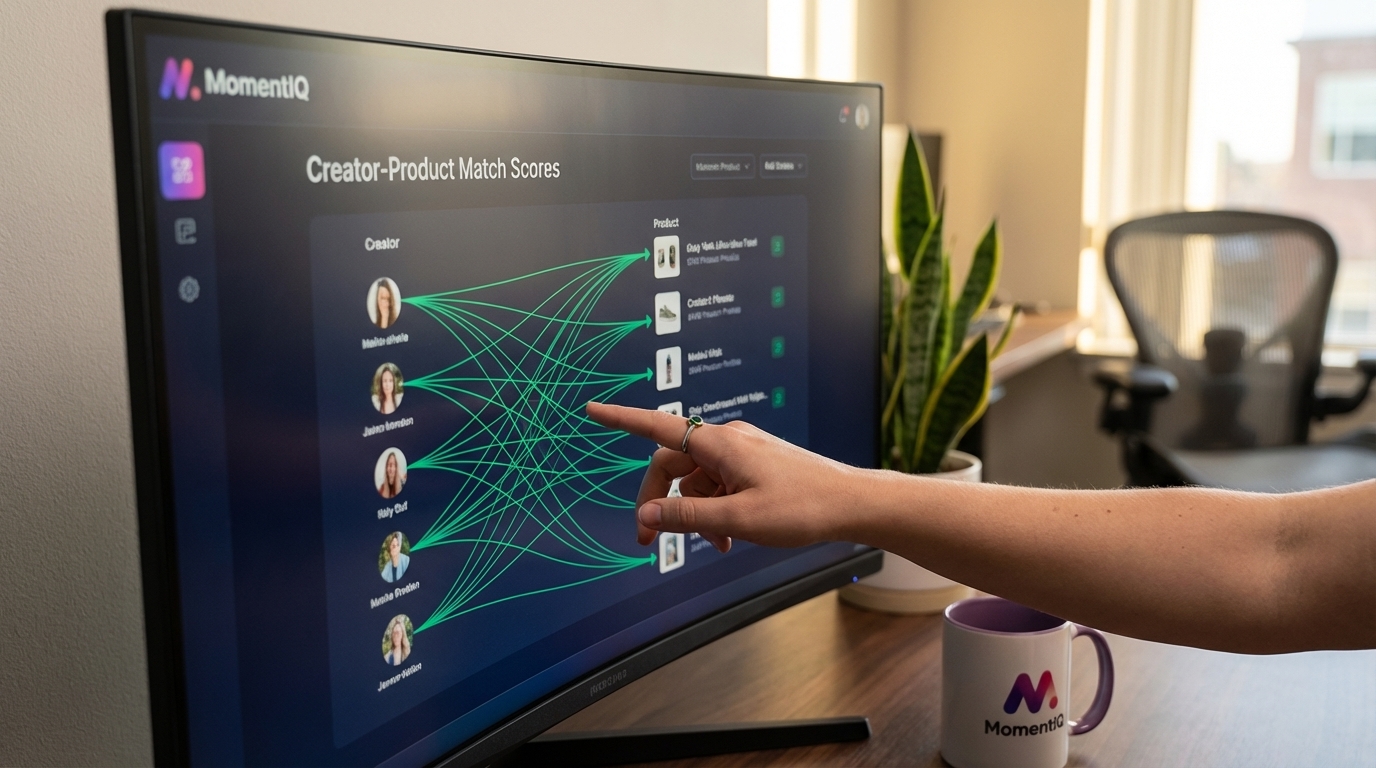
This is where MomentIQ's algorithmic creator matching changes the paradigm. Instead of guessing which creators might resonate with your product, our proprietary technology stack analyzes millions of data points to identify the exact creators whose audiences have a proven history of purchasing your specific category.
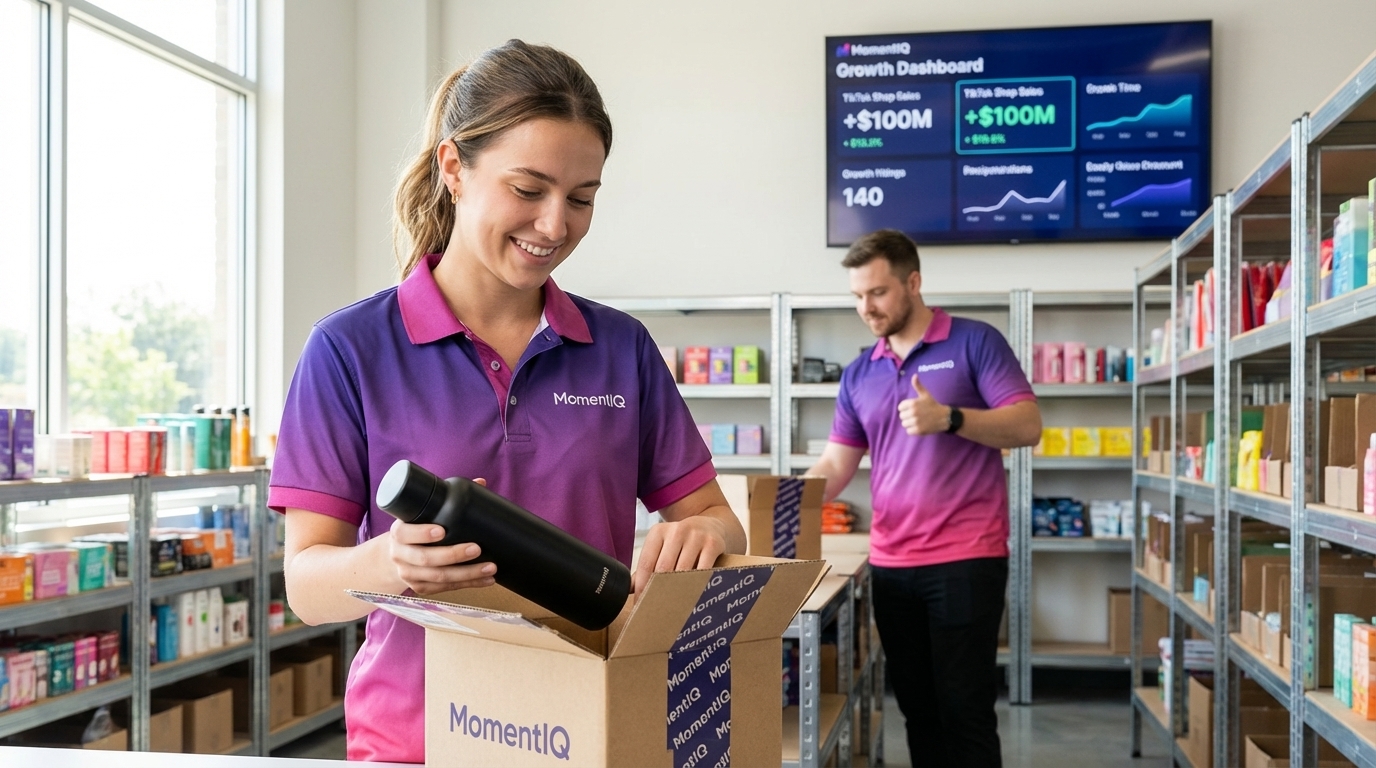
We facilitate product seeding at scale, bypassing the friction of manual DMs. Our automated process ensures samples reach the right creators, flooding the platform with highly targeted, shoppable content. This approach consistently yields conversion rates that are 4x higher than standard paid social campaigns.
Stop letting manual inefficiencies eat your margins. Talk to a Strategist to see exactly how our proprietary systems can offset your platform costs.
Consider the trajectory of a generic supplement brand that partnered with MomentIQ. They were struggling with an unprofitable CAC and complaining about platform fees. By deploying our algorithmic creator matching, this supplement brand scaled from $18K to $420K/month in 90 days. The sheer volume of low-CAC affiliate sales completely dwarfed the impact of the platform's commission rate.
Does the ROI Justify an Agency Partner?
When confronted with the prospect of hiring a TikTok Shop growth agency, founders often push back: "We don't have the budget for an agency right now." This objection fundamentally misunderstands the unit economics of algorithmic scaling.
The cost of an expert agency is a fraction of the capital wasted on inefficient ad spend, dead inventory, and the operational overhead of a failing in-house team. When you partner with MomentIQ, you are not adding an expense; you are integrating a revenue engine.
If our proprietary data matching can reduce your effective CAC by 45% while simultaneously tripling your GMV, the agency partnership pays for itself within the first 30 days. The math is undeniable: the most expensive choice you can make is continuing to operate inefficiently while your competitors capture market share.
Building a Low-CAC Affiliate Engine
To build a truly resilient business on TikTok Shop, your affiliate engine must operate continuously, independent of viral luck. Relying on a single mega-influencer is a fragile strategy. Instead, the most profitable brands leverage a vast network of micro and nano-creators who command hyper-engaged, niche audiences.
However, getting these creators to accept your samples is notoriously difficult for unoptimized brands. Low affiliate acceptance rates are usually a symptom of poor commission structuring or a lack of algorithmic targeting. Creators receive dozens of pitches daily; if your offer doesn't immediately align with their audience's purchasing behavior, they will ignore you.
MomentIQ solves this through data-backed matchmaking. We know exactly what commission rates are required to activate specific creator tiers in 2025. We structure your offers to be irresistible to the right creators, ensuring a steady stream of user-generated content that drives predictable, daily GMV.
Take, for example, a beauty brand that was stuck at a plateau. They had great products but couldn't get creators to respond. After plugging into MomentIQ's creator matching system, this beauty brand scaled from $12K to $340K/month in 90 days. They stopped worrying about platform fees because their net profit skyrocketed alongside their volume.
Overcoming the "We've Tried Agencies Before" Skepticism
It is common to hear brand managers say, "We've tried agencies before, and it was a waste of money." If you used a generic influencer PR agency, that is entirely understandable. Traditional agencies do not understand the highly specific, fast-paced mechanics of TikTok's commerce algorithms.
Generic agencies focus on vanity metrics—likes, views, and aesthetic alignment. MomentIQ focuses exclusively on GMV and conversion rates. As a recognized TikTok Marketing Partner and the TikTok Shop Partner of the Year, our strategies are built on deep, platform-native expertise. We don't just send products to influencers; we engineer full-funnel commerce ecosystems designed to extract maximum profitability from every view.
Is TikTok Shop Too Risky for New Brands?
Risk aversion is a natural instinct for DTC founders, leading to the common objection: "TikTok Shop is too new and risky; we'll wait until it stabilizes." This wait-and-see approach is a guaranteed path to obsolescence.
The data proves that the platform is not a passing trend; it is the new center of gravity for e-commerce. According to official reports from TikTok for Business, users are 1.5x more likely to immediately purchase something they discovered on the platform compared to users of other social networks.
The true risk is not participating. Brands building their affiliate networks now will own the algorithmic advantage that latecomers simply cannot replicate. The algorithm favors accounts with established sales history, high seller ratings, and robust creator networks. Waiting a year means you will be paying a massive premium to acquire the same customers your competitors are acquiring for pennies today.
Do not let hesitation cost you your market share. See how MomentIQ's algorithmic creator matching can improve creator fit and affiliate contribution — schedule a free strategy session today.
Advanced Strategies to Protect Your Profit Margins
Understanding the fees is step one; actively protecting your margins is step two. Successful sellers deploy advanced pricing and bundling strategies specifically designed for the TikTok Shop ecosystem.
First, never list your lowest-margin single items as your primary hero product. The fixed $0.30 transaction fee and baseline shipping costs disproportionately impact low-ticket items. Instead, create exclusive TikTok bundles. By increasing your average order value (AOV) from $20 to $55, the percentage impact of fixed fees drops dramatically, instantly improving your net margin.
Second, leverage Live Commerce to drive urgency and spike conversion rates. While short-form videos are excellent for top-of-funnel discovery, live shopping events act as a massive conversion mechanism. When viewers can ask questions about a product in real-time and see a limited-time flash sale on the screen, conversion rates routinely jump by 300% to 500% compared to standard video links.
Managing live commerce at scale, however, requires strategic scheduling, script optimization, and professional moderation. This is another area where DIY efforts often fall flat, resulting in zero-viewer streams that waste time and resources.
Consider a fitness equipment seller struggling with high shipping costs and a low AOV. By transitioning to a bundle strategy and implementing a weekly live shopping schedule guided by MomentIQ, they reduced their overall CAC by 45% while rapidly scaling to $250K/month in profitable revenue.
The MomentIQ Advantage: Full-Stack Commerce Support
What truly separates MomentIQ from the fragmented landscape of generic agencies is our full-stack approach to commerce support. We do not just hand you a list of creators and wish you luck. We manage the entire lifecycle of your TikTok Shop growth.
Our proprietary technology stack handles the heavy lifting of automated creator discovery and outreach, identifying the exact micro-communities where your product will thrive. We manage the product seeding at scale, ensuring samples actually reach creators who will post high-converting videos.
But we don't stop at content creation. We provide comprehensive analytics and strategic guidance to optimize your product listings, refine your pricing strategy, and navigate the complex web of platform policies. We help you recover abandoned carts, optimize your live scheduling, and ensure your seller health score remains pristine.
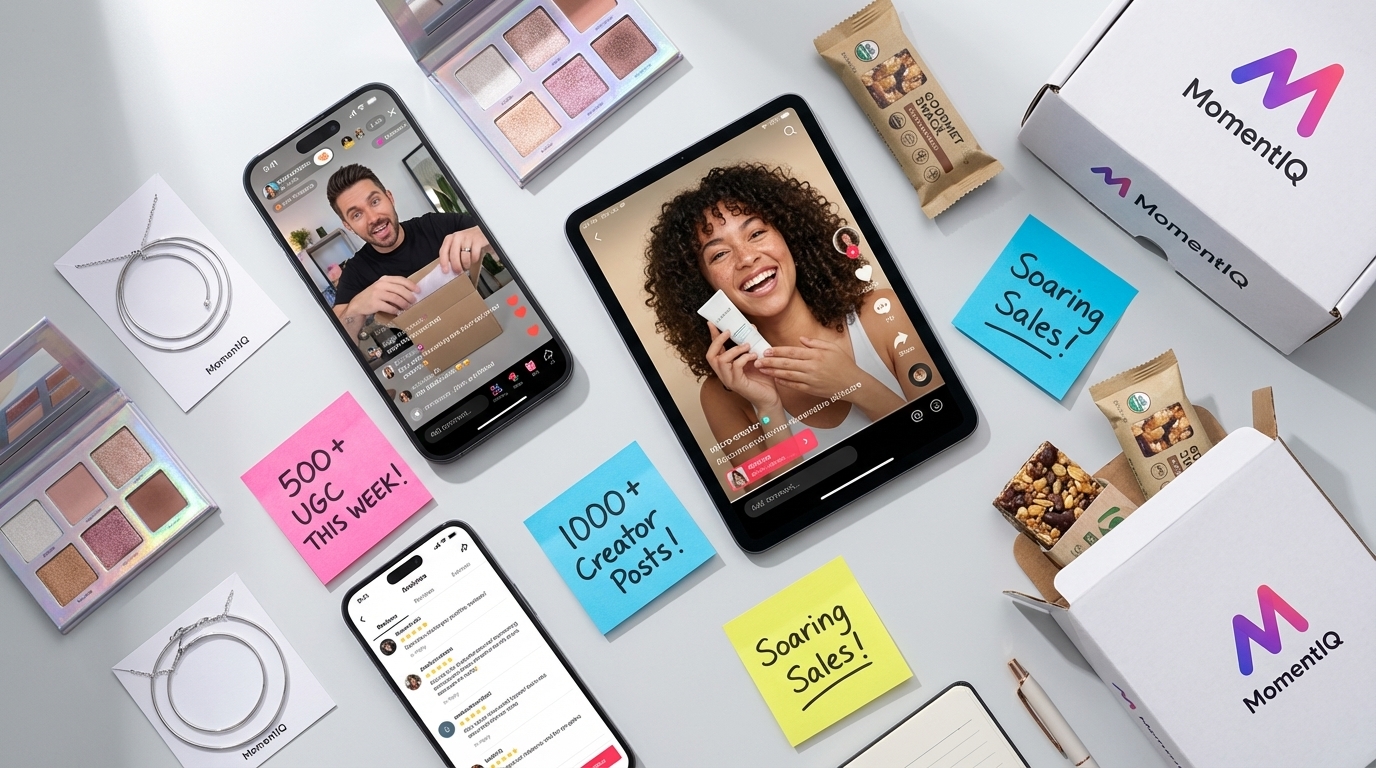
This holistic, data-driven methodology is why MomentIQ was awarded the FastMoss Visionary Award. We are not guessing; we are executing proven playbooks based on millions of dollars in generated GMV.
Frequently Asked Questions (FAQ)
What is the current TikTok Shop commission rate?
In 2025, the standard TikTok Shop commission rate for most product categories is 8% of the total transaction value, plus a fixed fee of $0.30 per order. Certain highly competitive or subsidized categories may have slight variations, but sellers should build their pricing models around this 8% baseline to ensure long-term profitability.
Are there hidden fees for TikTok Shop sellers?
While the commission rate is transparent, sellers must account for "hidden" costs such as fulfillment center storage fees (if using Fulfilled by TikTok), payment processing variations, and the cost of shipping subsidies if they opt into platform-wide free shipping promotions. Additionally, the cost of product seeding and affiliate sample distribution must be factored into your overall customer acquisition cost.
How do affiliate commissions impact my profitability?
Affiliate commissions are set by the seller, typically ranging from 10% to 20%. While this seems like an additional cost on top of platform fees, it actually functions as a highly efficient, performance-based marketing expense. Because you only pay the creator when a sale is made, this structure completely eliminates the upfront risk of traditional paid ads, often resulting in a significantly lower overall CAC.
Can I write off TikTok Shop fees for taxes?
Yes, TikTok Shop seller fees, including the platform commission, transaction fees, and shipping costs, are generally considered ordinary and necessary business expenses. According to standard business tax guidelines, these operational costs can be deducted from your gross revenue to determine your taxable net income. Always consult with a certified CPA to ensure compliance with your local tax regulations.
How does product seeding reduce my customer acquisition cost?
Product seeding involves sending free samples to targeted creators. When managed through MomentIQ's proprietary algorithmic matching, this process generates a massive volume of organic, shoppable videos. Because this organic content drives traffic and sales without requiring daily ad spend, the blended CAC drops dramatically, more than offsetting the initial cost of the product samples and platform fees.
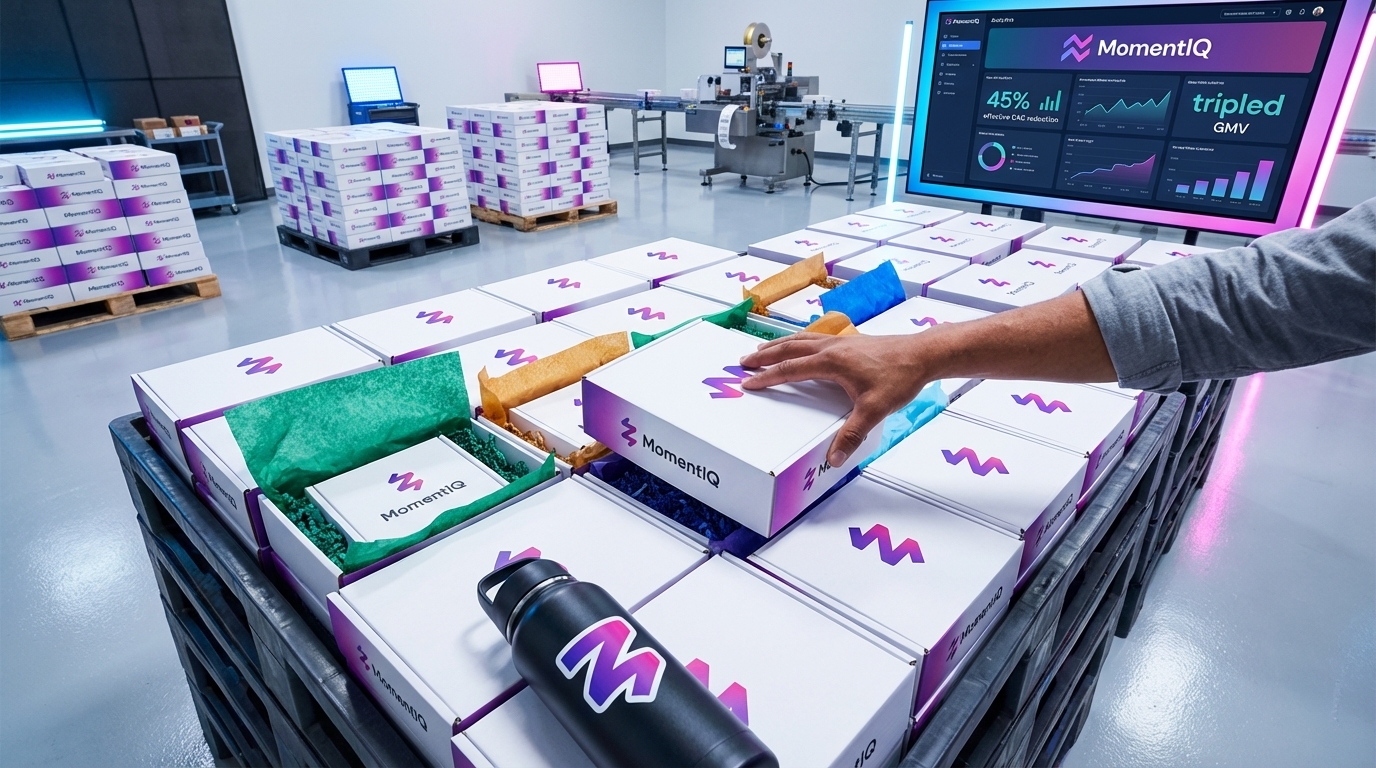
For brands ready to scale, MomentIQ's TikTok Shop management services provide end-to-end support from catalog optimization to fulfillment.
Dominate TikTok Shop in 2025
The math of social commerce is clear: brands that rely on manual processes and traditional ad spend will be crushed by platform fees and rising acquisition costs. Brands that leverage algorithmic creator matching and full-funnel commerce strategies will capture unprecedented market share.
The first-mover advantage is narrowing. Every day you wait, another competitor is locking in the best creators in your niche and training the algorithm to favor their products. You cannot afford to navigate this complex ecosystem through trial and error.
Once you know your all-in fee load, pressure-test the plan against the 6-month break-even law — the two numbers that decide whether a TikTok Shop launch pays back.
Stop letting platform fees dictate your profitability. Take control of your margins, automate your affiliate engine, and scale with the industry's leading experts. Talk to a Strategist