TikTok Shop Ad Funnel Architecture
Learn how to build a complete TikTok Shop ad funnel in 2025—from cold traffic to repeat buyer. Stop boosting random videos and start converting consistently wit
Here's the uncomfortable truth most TikTok Shop sellers won't admit: they're running ads without a funnel.
- Build a deliberate 4-stage ad funnel—awareness, consideration, conversion, and post-purchase retention—instead of running only bottom-funnel conversion campaigns.
- Ensure prospects see your brand 3+ times before purchase, since multi-touch users convert at 2.4x the rate of single-ad viewers.
- Stop optimizing every campaign for the same purchase event; separate campaigns by funnel stage to pre-qualify audiences and reduce CAC over time.
- Expect 35–60% CAC inflation over 90 days without a structured funnel, versus declining acquisition costs with full-funnel architecture.
- Use clear naming conventions and eliminate audience overlap to keep your ad account manageable as you scale from $5K to $100K/month.
They boost a viral video. They launch a Video Shopping Ad. They throw $200/day at a broad audience and pray for conversions.And when results are inconsistent — GMV spikes one week, flatlines the next — they blame the algorithm, the creative, or the platform itself.
But the algorithm isn't the problem. The architecture is.
Brands generating consistent six- and seven-figure monthly GMV on TikTok Shop aren't running random campaigns. They're operating a deliberate, full-funnel TikTok Shop ad funnel that moves cold strangers through awareness, consideration, and conversion — then loops them back into a repeat-buyer engine that compounds over time.
This post gives you the entire blueprint. Not the retargeting sequences we've covered elsewhere retargeting sequences we've covered elsewhere, but the complete TikTok Shop campaign structure for 2025: every funnel stage, every campaign type, every budget split, every creative requirement, and the naming conventions that keep your ad account from becoming an ungovernable mess at scale.
If you're spending $5K–$100K/month on TikTok Shop ads and your ROAS feels like a coin flip, this is the framework that turns chaos into a system.
And if you want this architecture built, optimized, and managed by the team that earned TikTok Shop Partner of the Year? Talk to a Strategist and get a custom funnel roadmap in 48 hours.
Why Most TikTok Shop Sellers Don't Have a Real Ad Funnel (And Why It's Costing Them)
Let's be direct: most TikTok Shop ad accounts look like a junk drawer.
Campaigns named "Test 3 - Copy," audiences overlapping by 80%, and every single ad optimized for the same purchase event.There's no top-of-funnel awareness play.There's no mid-funnel nurture. There's no post-purchase retention loop. There's just... conversion campaigns pointed at cold traffic, burning budget and inflating CAC by the week.
This is the single biggest structural mistake on TikTok Shop in 2025.
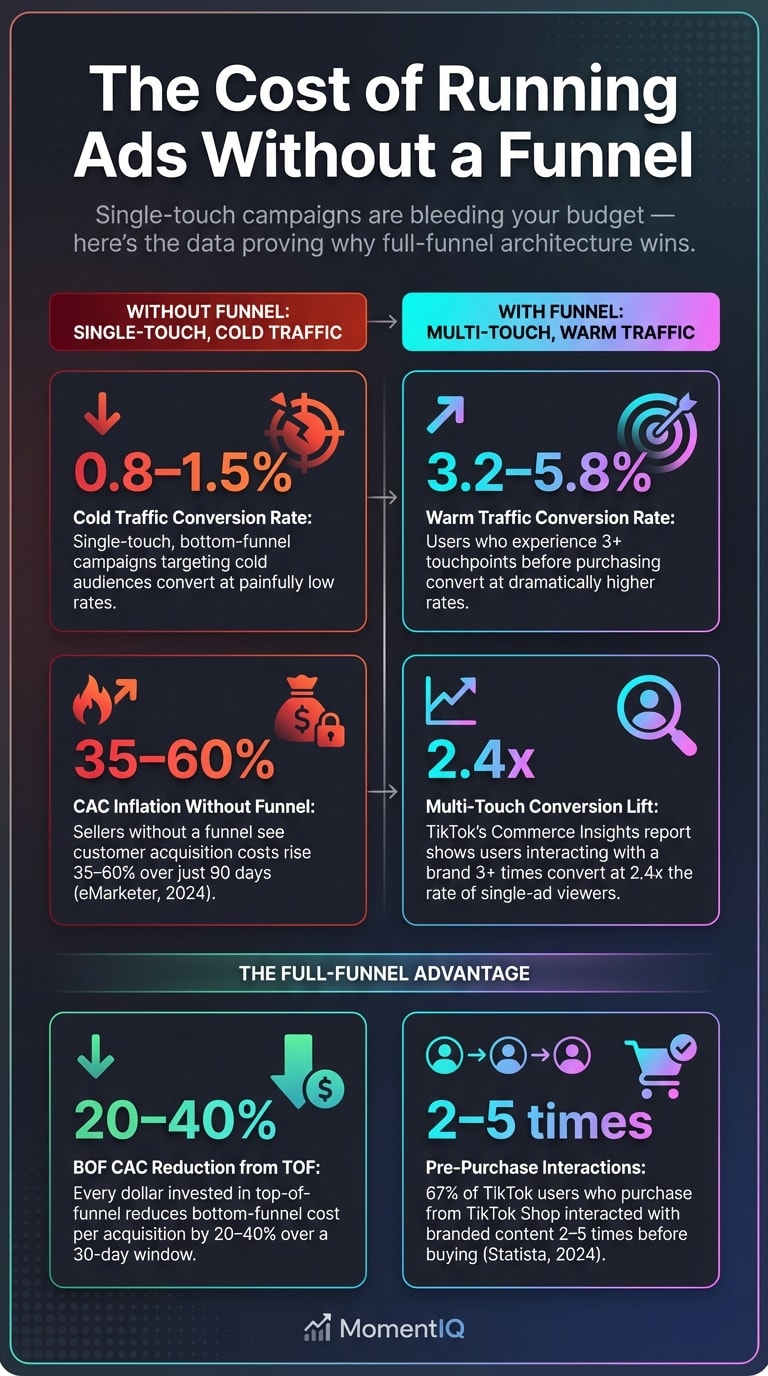
According to TikTok's own Commerce Insights report, users who interact with a brand 3+ times before purchasing convert at 2.4x the rate of those who see a single ad. Yet the vast majority of sellers are running single-touch, bottom-funnel campaigns and wondering why their cost per acquisition keeps climbing.
The math is brutal:
- Cold traffic conversion rates on single-touch campaigns: 0.8–1.5%
- Warm traffic conversion rates after 3+ touchpoints: 3.2–5.8%
- Average CAC inflation for sellers without a funnel: 35–60% over 90 days (eMarketer, 2024)
Meanwhile, brands running TikTok Shop full funnel ads are seeing the inverse: declining CAC over time because each funnel stage pre-qualifies the next audience, and retargeting pools grow richer with every dollar spent at the top.
Here's what a proper TikTok Shop ad funnel actually looks like — and how to build one from scratch.
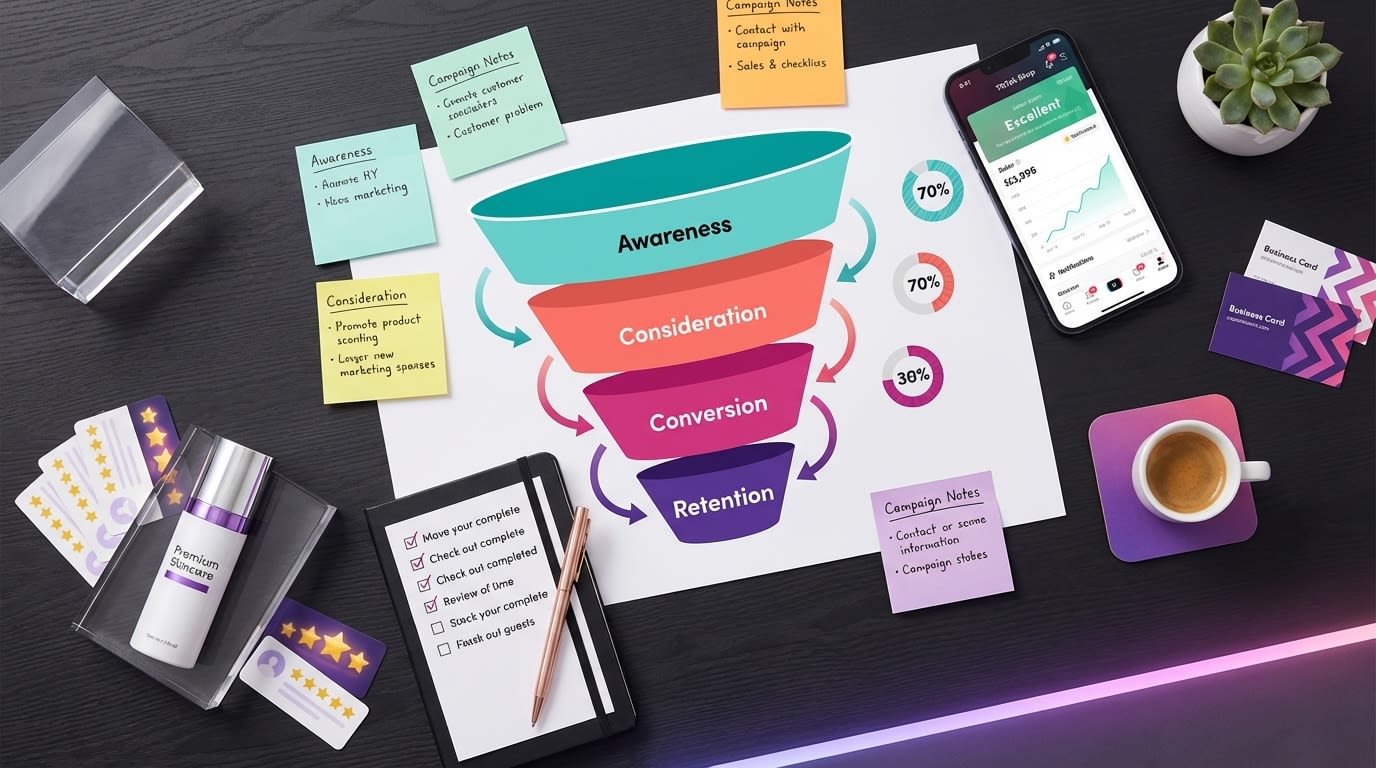
The 4-Stage TikTok Shop Full Funnel Ads Framework
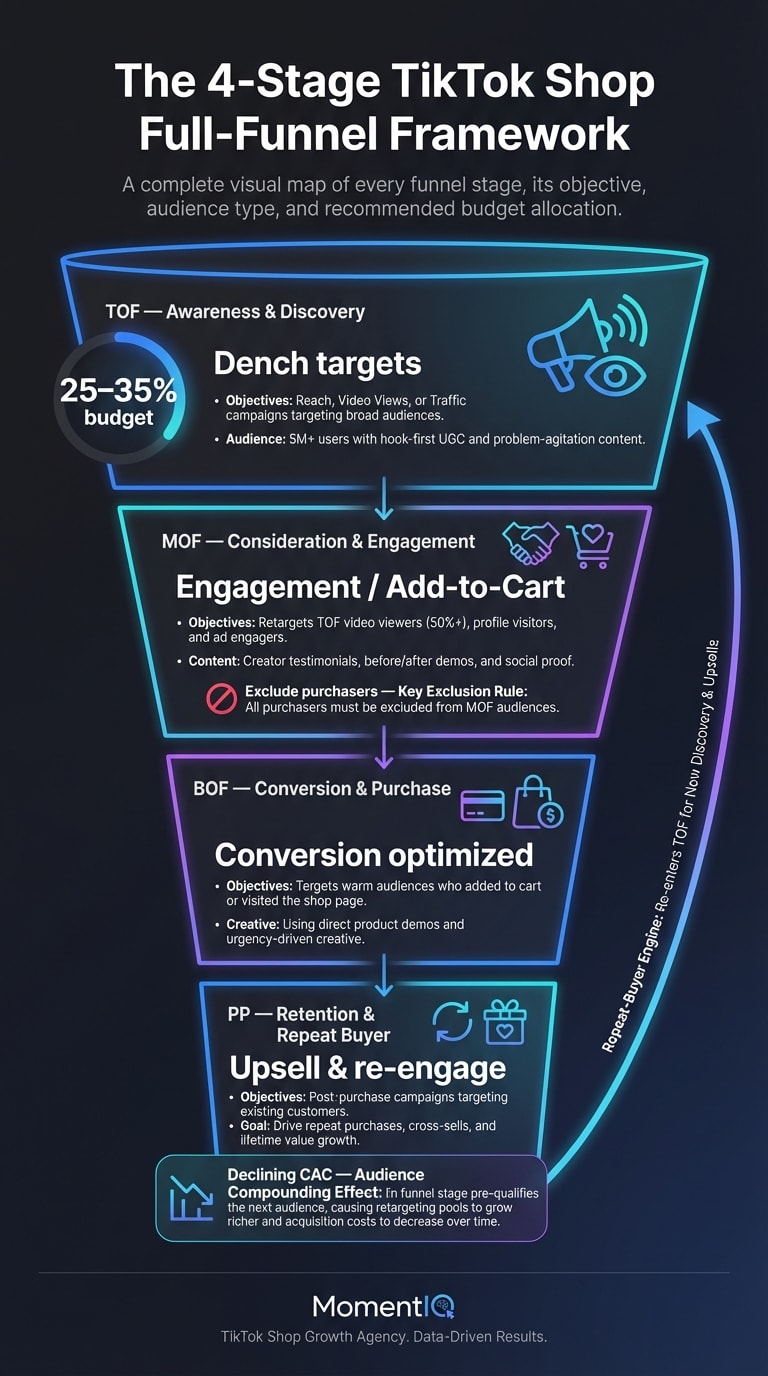
Forget the traditional three-stage funnel. On TikTok Shop, the highest-performing brands operate a four-stage architecture:
- Top of Funnel (TOF): Cold awareness and discovery
- Middle of Funnel (MOF): Consideration and engagement
- Bottom of Funnel (BOF): Conversion and purchase
- Post-Purchase (PP): Retention, upsell, and repeat buyer activation

Each stage has distinct campaign objectives, audience definitions, creative requirements, and budget allocations.Collapse any stage, and the entire system underperforms.
Let's break down each one.
Stage 1: Top-of-Funnel — Building the Awareness Engine That Feeds Everything Else
Campaign Objective: Reach, Video Views, or Traffic campaign objective for each funnel stage
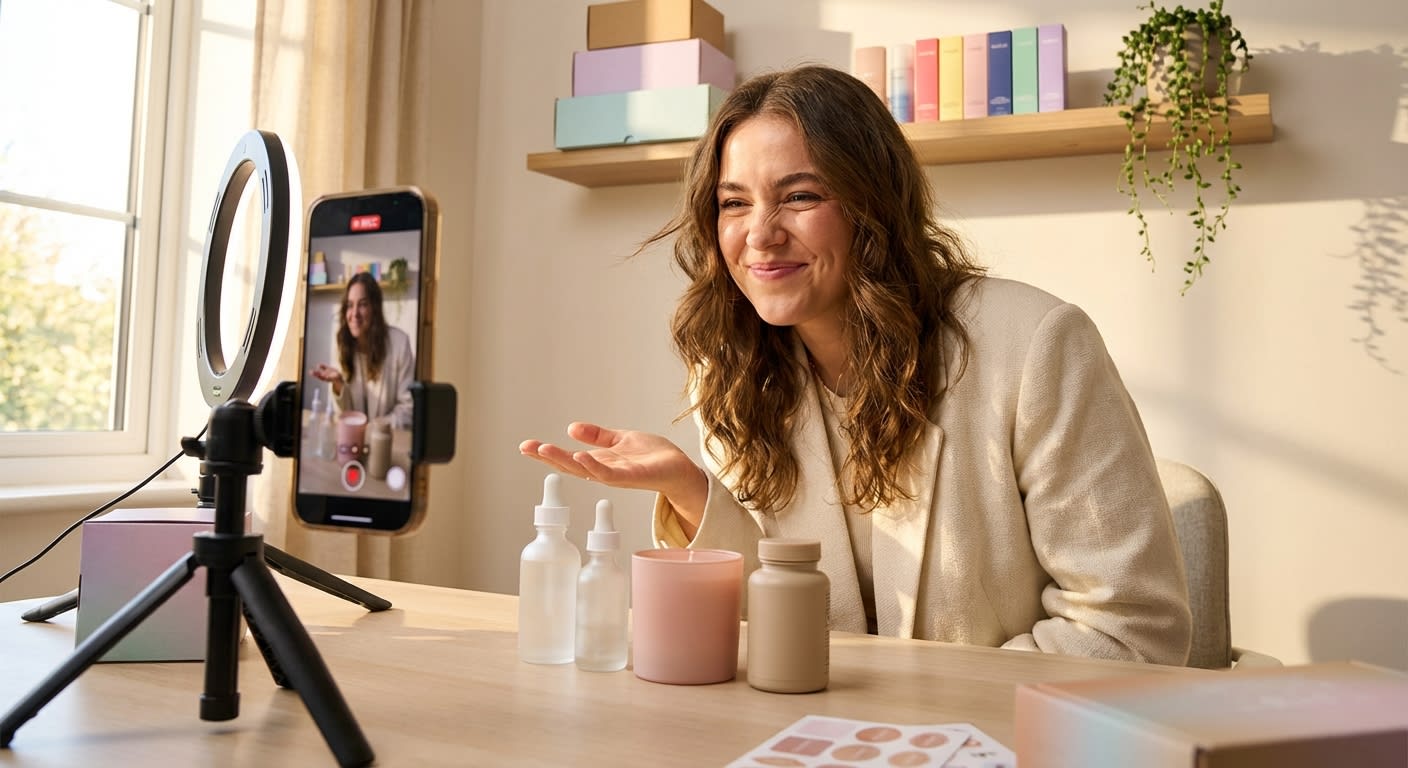
The purpose of TOF isn't to sell. It's to build the audience pools that make your mid- and bottom-funnel campaigns dramatically cheaper.
This is where most sellers panic. "Why would I spend money on views when I need sales?" Because without TOF, you're paying premium prices to convert ice-cold strangers at the bottom. Every dollar invested in TOF reduces your BOF cost per acquisition by 20–40% over a 30-day window, based on aggregate performance data across TikTok commerce advertisers.
TOF Audience Targeting

- Broad interest-based audiences (category-level: beauty, fitness, home, etc.)
- Lookalike audiences built from your best customers (1–3% similarity)
- Hashtag and creator interaction audiences (users who engage with relevant content)
- Smart targeting with TikTok's algorithmic expansion enabled
Pro tip: Resist the urge to narrow TOF audiences.TikTok's algorithm performs best with audiences of 5M+ users at the awareness stage. Let the machine learn.
TOF Creative Requirements thumb-stopping creative formats
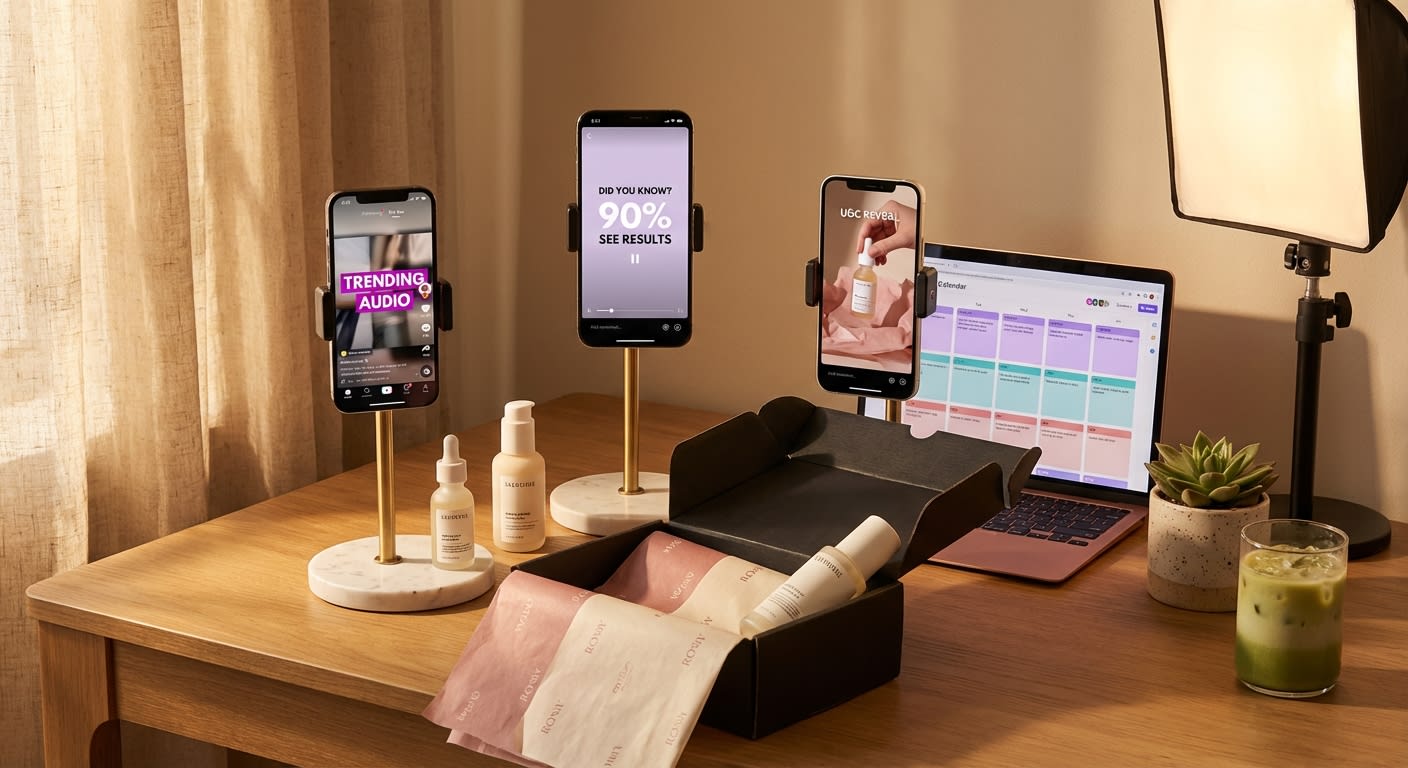
This is NOT the place for product demos or hard sells. TOF creative should feel native, entertaining, and curiosity-driven:
- Hook-first UGC content (first 1.5 seconds must stop the scroll scroll-stopping UGC content)
- Problem-agitation videos that name the pain without pitching the solution
- "Did you know" educational content that positions your category, not your product
- Trend-jacking content that rides existing audio and format momentum
- Duration: 15–30 seconds optimal for completion rate
We've covered the creative formats in depth in our TikTok Shop Ad Creative Strategy guide, but the key principle at TOF is simple: earn attention, don't demand it.
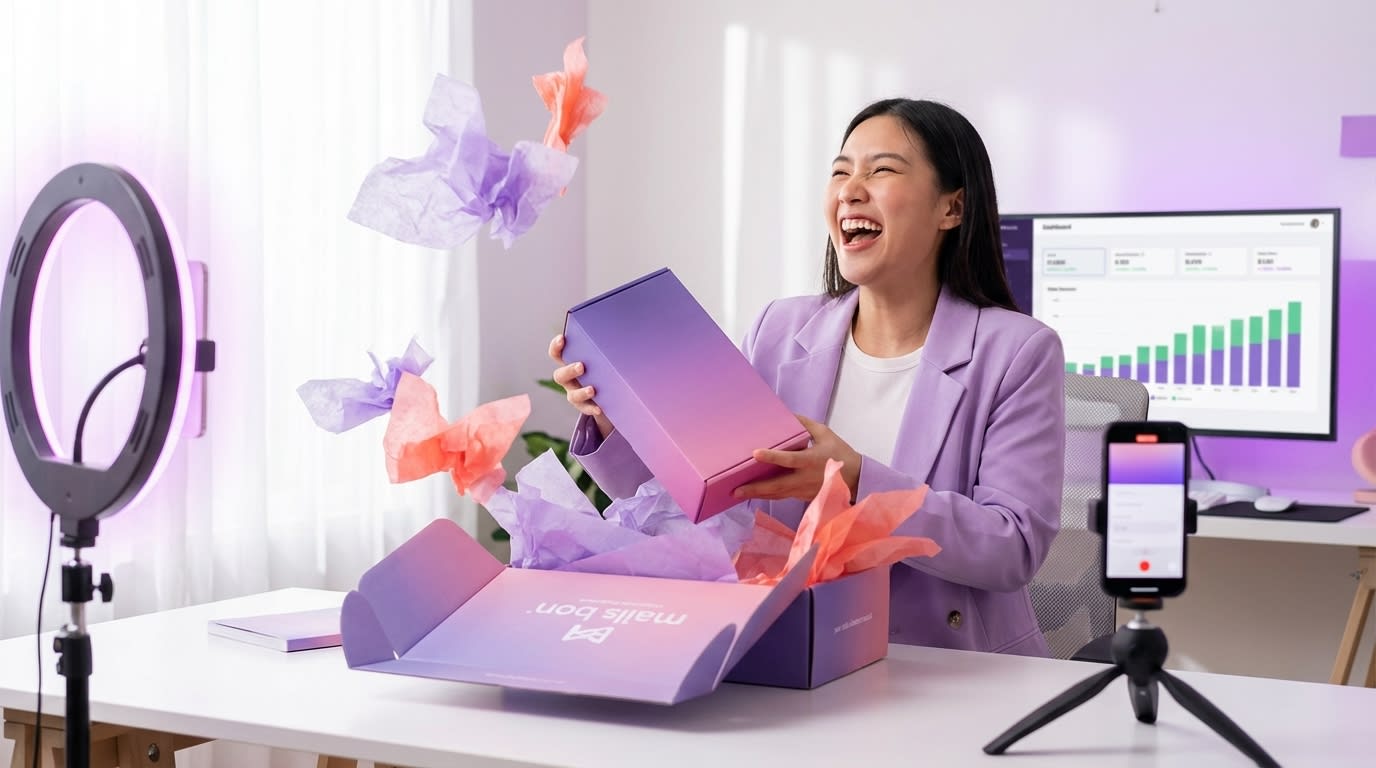
TOF Budget Allocation
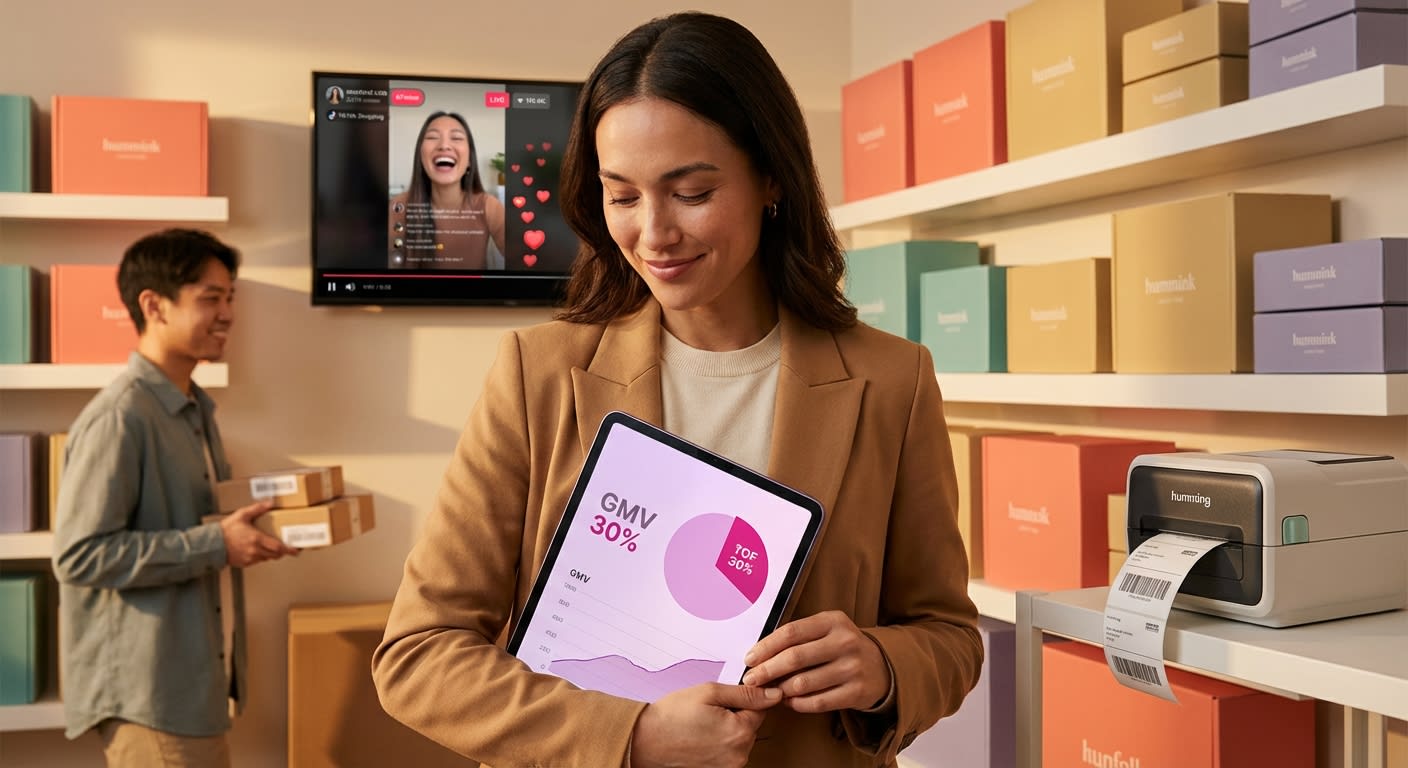
25–35% of total ad spend should flow to TOF. Yes, that's a significant chunk. And yes, it's the allocation that separates brands scaling sustainably from brands trapped in a CAC death spiral.
TOF Campaign Naming Convention
[TOF] - [Objective] - [Audience Type] - [Creative Theme] - [Date]
Example: TOF - VideoViews - LAL3%Purchasers - ProblemAgitation - 0125
Consistent naming isn't glamorous. But when you're running 40+ campaigns and need to diagnose performance at a glance, it's the difference between data-driven decisions and guesswork.
Stage 2: Middle-of-Funnel — The Consideration Layer Most Sellers Skip Entirely
Campaign Objective: Engagement, Community Interaction, or Add-to-Cart Optimization
MOF is the most neglected stage in TikTok Shop advertising. It's also the stage that determines whether your BOF campaigns print money or bleed it.
The purpose of MOF is to take the awareness you've built and deepen it into genuine consideration. These users know your brand exists. Now they need to understand why your product is the answer to their specific problem.
According to Statista's 2024 social commerce report, 67% of TikTok users who ultimately purchase from a TikTok Shop interacted with branded content 2–5 times before buying. MOF is where those interactions happen.

MOF Audience Targeting
This is where your funnel architecture starts compounding:
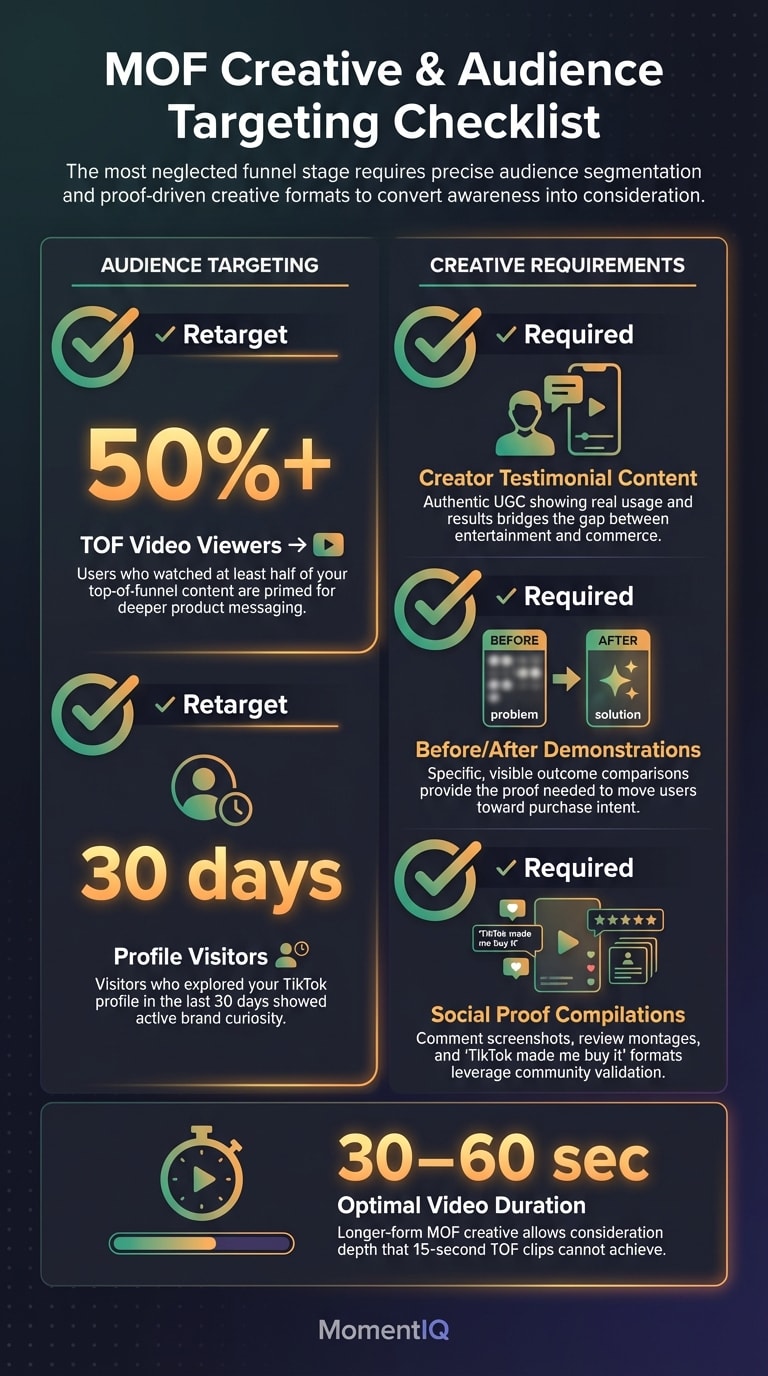
- Video viewers from TOF campaigns (watched 50%+ or 75%+ of TOF content)
- Profile visitors from the last 30 days
- Users who engaged with TOF ads (liked, commented, shared, but didn't click through)
- TikTok Shop page visitors who didn't add to cart
- Followers who haven't purchased
Critical: Exclude all purchasers from MOF audiences. You're not trying to re-sell existing customers here — that's the post-purchase stage.

MOF Creative Requirements
MOF creative bridges entertainment and commerce. This is where you introduce the product with proof:
- Creator testimonial content (authentic UGC showing real usage and results)
- Before/after demonstrations with specific, visible outcomes
- Social proof compilations (comment screenshots, review montages, "TikTok made me buy it" format)
- Comparison content (your product vs. the alternative, without naming competitors)
- Product-in-context videos showing the product in real daily life
- Duration: 30–60 seconds optimal for consideration depth
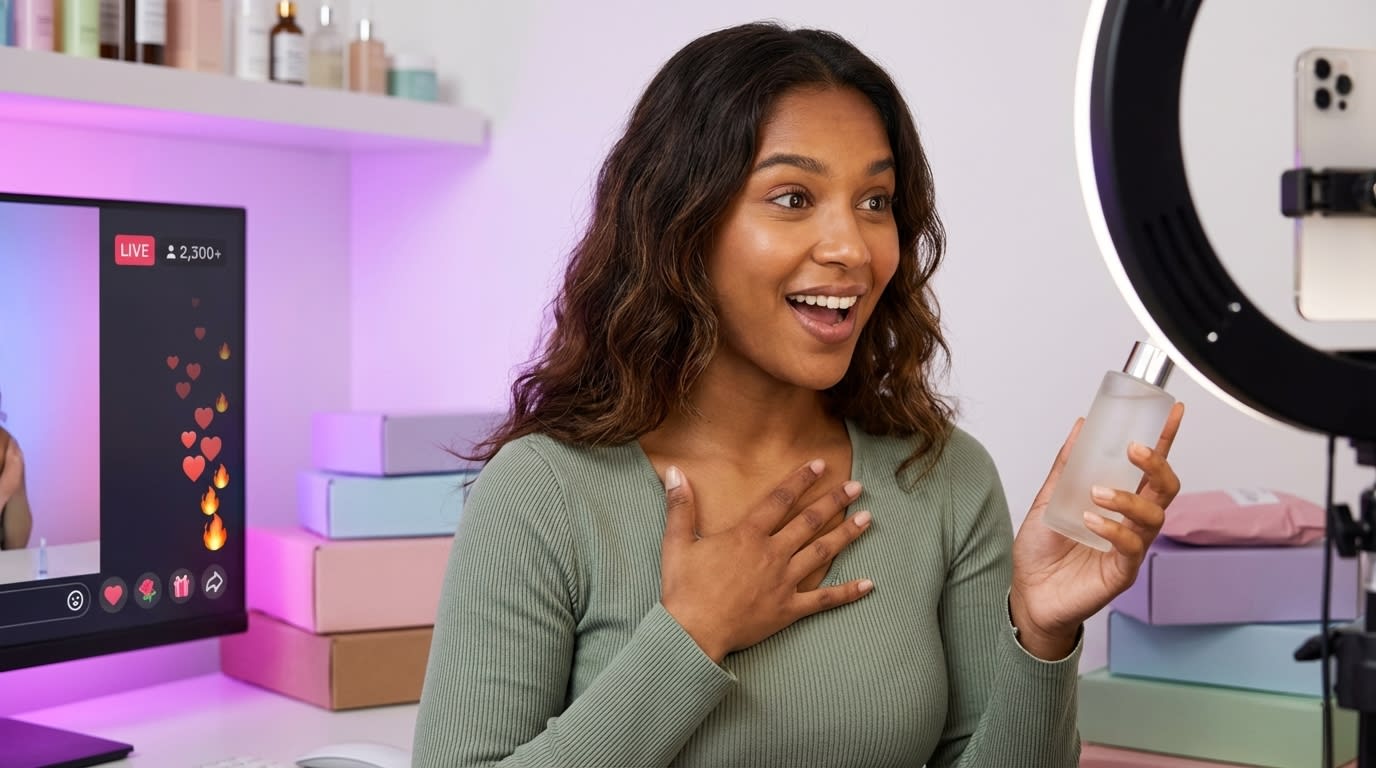
The golden rule of MOF creative: show, don't tell. A 45-second video of a real person using your skincare product and showing their skin texture improvement will outperform any scripted pitch by 3–5x on click-through rate.
MOF Budget Allocation
20–30% of total ad spend. This stage is your efficiency multiplier. Brands that invest properly in MOF typically see BOF conversion rates increase by 40–65% compared to brands that skip straight from awareness to conversion.
MOF Campaign Naming Convention
[MOF] - [Objective] - [Source Audience] - [Creative Theme] - [Date]
Example: MOF - Engagement - TOF75%Viewers - CreatorTestimonial - 0125
Stage 3: Bottom-of-Funnel — Converting Warm Audiences Into Buyers
Campaign Objective: Complete Payment (Purchase Optimization)
Now — and only now — do you optimize for purchases.
By the time users reach your BOF campaigns, they've seen your brand, engaged with your content, and developed genuine consideration. They're warm. They're primed. And your conversion costs will reflect it.
This is the stage most sellers start with. That's like proposing marriage on a first date. It can work occasionally, but the success rate is abysmal compared to building the relationship first.

BOF Audience Targeting
Your BOF audiences should be the most qualified, highest-intent users in your ecosystem:
- Add-to-cart users who didn't purchase (last 7–14 days)
- Product page viewers from the last 7 days
- Users who watched 95%+ of MOF content
- Users who clicked TikTok Shop product links but didn't convert
- Cart abandoners segmented by recency (1-day, 3-day, 7-day)
- Live stream viewers who interacted with product pins
BOF Creative Requirements
This is where you close. BOF creative should be direct, urgent, and conversion-focused:
- Limited-time offer announcements with clear deadlines
- "Last chance" and scarcity-driven content (low stock, ending sale)
- Unboxing and first-impression videos that reduce purchase anxiety
- Price-anchoring content (compare value to alternatives or cost-per-use)
- Objection-crushing testimonials addressing specific hesitations ("I was worried about sizing, but...")
- Combo/bundle promotions that increase AOV
- Duration: 15–30 seconds, direct CTA within first 10 seconds
Every BOF ad must include a clear, visible product link and an explicit call to action. No ambiguity. No "link in bio." The path from ad to checkout should be two taps.

BOF Budget Allocation
30–40% of total ad spend. This is where the majority of direct revenue is generated, but remember: BOF only works this efficiently because TOF and MOF pre-qualified the audience.
BOF Campaign Naming Convention
[BOF] - [Objective] - [Audience Segment] - [Offer Type] - [Date]
Example: BOF - Purchase - CartAbandoners7D - 20PercentOff - 0125
Feeling overwhelmed by the architecture? You're not alone. Most brands we work with were running single-stage campaigns before partnering with MomentIQ. Our strategists build, launch, and optimize the entire four-stage funnel for you — with proprietary data analytics that identify exactly where your funnel is leaking revenue. Talk to a Strategist and see your custom funnel blueprint.
Stage 4: Post-Purchase — The Repeat Buyer Loop That 90% of Sellers Ignore
Campaign Objective: Catalog Sales, Upsell, or Repeat Purchase

Here's a stat that should reshape your entire advertising strategy: according to TikTok's 2024 Commerce report, repeat buyers on TikTok Shop have a 3.2x higher lifetime value than one-time purchasers, and they convert on subsequent purchases at 5–8x the rate of cold traffic.
Yet almost no one runs post-purchase campaigns.
This is free money left on the table. The hardest part — earning the first purchase and building trust — is already done. Post-purchase campaigns simply remind existing customers that you have more to offer.
Post-Purchase Audience Targeting
- Purchasers from 7–30 days ago (product-specific, for complementary upsells)
- Purchasers from 30–60 days ago (replenishment reminders for consumables)
- Multi-purchasers (VIP segment, for early access and exclusive offers)
- Purchasers who left reviews (high-engagement segment for new product launches)
Post-Purchase Creative Requirements
- "You bought X, you'll love Y" recommendation content
- New product launch announcements exclusive to existing customers
- Replenishment reminders with usage-based timing ("It's been 30 days — time to restock")
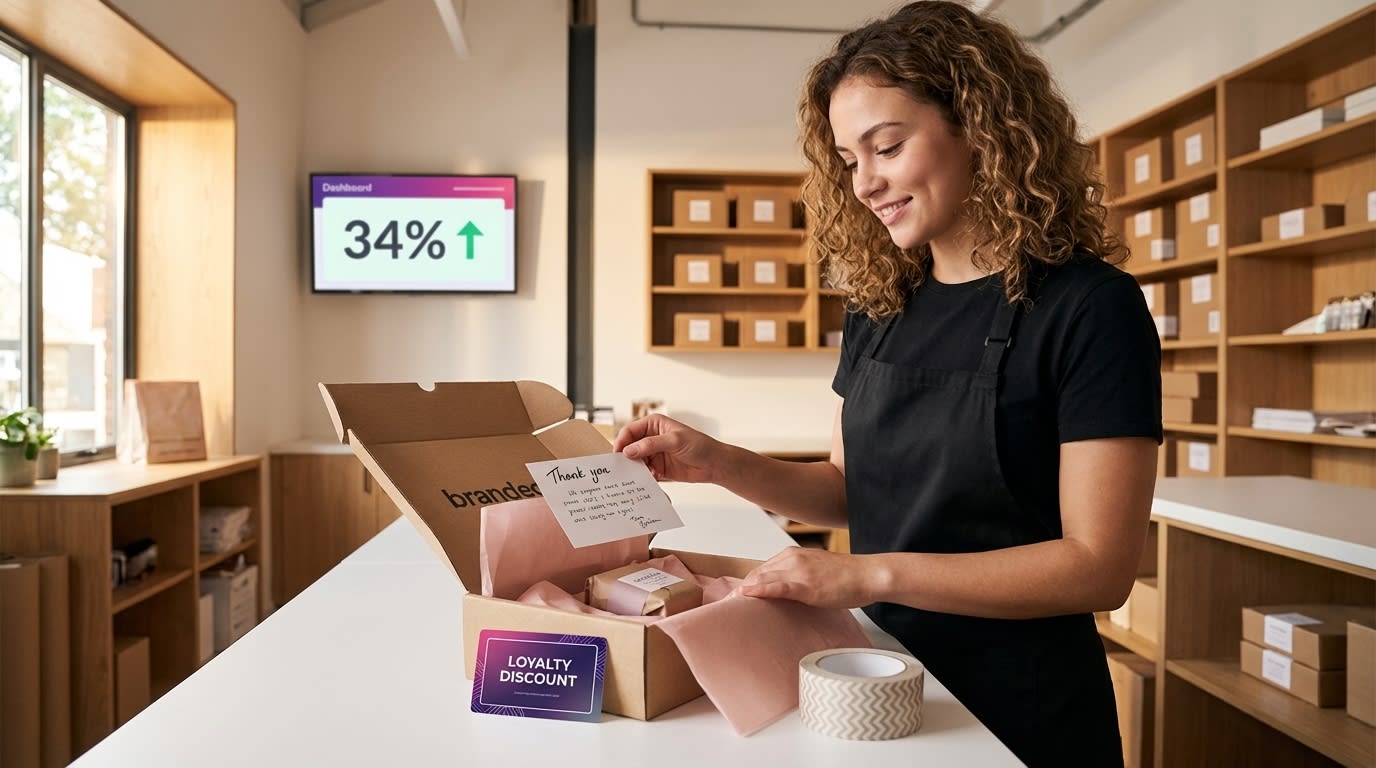
- Loyalty rewards and exclusive discount offers
- Behind-the-scenes and brand story content that deepens emotional connection

Post-Purchase Budget Allocation
5–15% of total ad spend. Small allocation, massive returns. Post-purchase campaigns routinely deliver 8–15x ROAS because the audience is pre-qualified, trusting, and purchase-experienced.
The Complete TikTok Shop Campaign Structure 2025: Budget Split Summary
Here's the full allocation framework at a glance:
| Funnel Stage | Budget Allocation | Primary Objective | Key Metric |
|---|---|---|---|
| TOF (Awareness) | 25–35% | Video Views / Reach | CPM, VTR, Audience Pool Size |
| MOF (Consideration) | 20–30% | Engagement / Add-to-Cart | CTR, Engagement Rate, Cost per ATC |
| BOF (Conversion) | 30–40% | Purchase | ROAS, CPA, Conversion Rate |
| PP (Retention) | 5–15% | Repeat Purchase / Upsell | Repeat Purchase Rate, LTV, ROAS |
These aren't static numbers. The right split depends on your brand maturity, product category, average order value, and current audience size. A brand launching on TikTok Shop should skew heavier toward TOF (40%+). A brand with an established audience can shift more toward BOF and PP.
For a detailed breakdown of budget allocation by spend level, check our companion piece on TikTok Shop Ad Budget Planning for 2025.

Creative Volume Requirements: How Many Assets You Actually Need Per Stage
This is where most in-house teams hit a wall. A proper TikTok Shop full funnel ads system requires significant creative volume — and that volume needs to be stage-specific.
Here's the minimum viable creative library for a functional four-stage funnel:
- TOF: 8–12 unique creatives, refreshed every 2–3 weeks
- MOF: 6–10 unique creatives, refreshed every 3–4 weeks
- BOF: 5–8 unique creatives, refreshed every 2 weeks (fatigue hits fastest here)
- PP: 3–5 unique creatives, refreshed monthly
That's 22–35 unique video assets as a baseline, with ongoing refresh cycles that demand 40–80 new creatives per month at scale.
"We can manage creators ourselves" is a sentence we hear from brands currently running 3–5 creatives total. You cannot build a full-funnel architecture on a handful of assets. The creative demands alone require either a massive in-house production team or a partner with the infrastructure to generate content at scale.
This is exactly why MomentIQ built its algorithmic creator matching system — to connect brands with hundreds of vetted creators who produce stage-specific content on an ongoing basis. One supplement brand we worked with scaled from $18K to $420K/month in 90 days after implementing this full-funnel framework with MomentIQ's creator network supplying the creative volume across all four stages.
Campaign Naming Conventions That Scale: The System Behind the System
This section isn't sexy. It's also the difference between an ad account you can optimize and an ad account you dread opening.
Every campaign, ad group, and ad should follow a consistent taxonomy:
Campaign Level
[Funnel Stage] - [Objective] - [Product/Category] - [Launch Date]
Example: TOF - Reach - SerumLine - 012025
Ad Group Level
[Audience Type] - [Audience Detail] - [Placement] - [Bid Strategy]
Example: LAL3%Purchasers - Broad - AutoPlacement - LowestCost
Ad Level
[Creative Type] - [Creator/Source] - [Hook Variant] - [Version]
Example: UGC - Creator47 - ProblemHook - V2
This naming structure allows you to:
- Filter and analyze performance by funnel stage instantly
- Identify which audience segments perform best at each stage
- Track creative fatigue by version and type
- Onboard new team members without a 3-hour walkthrough
- Scale to 100+ campaigns without losing visibility

Addressing the Elephant in the Room: Common Objections to Full-Funnel Architecture
"We don't have the budget for a full funnel — we need every dollar driving sales."
We understand the instinct. But here's the math: brands running single-stage, conversion-only campaigns on TikTok Shop see average CAC inflation of 35–60% over 90 days (eMarketer, 2024). That means the $15 CPA you're celebrating today becomes $22 next month and $30 the month after.
Full-funnel architecture invests upfront to reduce CAC over time. One home goods brand running all-BOF campaigns had a $28 CPA. After implementing the four-stage framework with just a $8K/month total budget, their CPA dropped to $14 within 60 days — a 50% reduction that more than paid for the TOF and MOF investment.
The question isn't whether you can afford a full funnel. It's whether you can afford the compounding cost of not having one.
"We can build this ourselves — we don't need an agency."
You absolutely can build this yourself. The framework is right here. But consider the execution requirements: 40–80 fresh creatives per month, daily budget rebalancing across four funnel stages, audience exclusion management, creative fatigue monitoring, and real-time bid optimization.
Most in-house teams we talk to have 1–2 people managing TikTok Shop alongside five other channels. They're not lacking intelligence — they're lacking bandwidth. And on a platform where the algorithm rewards speed and volume, bandwidth gaps translate directly into lost revenue.
MomentIQ exists for brands that understand the strategy but need the infrastructure to execute it at the pace TikTok demands.
"TikTok Shop is still too new — what if the platform changes everything tomorrow?"
TikTok Shop generated over $33 billion in global GMV in 2024 (Statista). In the US alone, TikTok Shop sellers saw an estimated $9 billion in transactions, with projections pointing toward $17.5 billion by the end of 2025 (eMarketer). This isn't a beta experiment. It's the fastest-growing commerce channel in a generation.
Yes, the platform will evolve. Ad formats will change. Algorithm weights will shift. But the fundamental principle of full-funnel advertising has been proven across every major platform for decades. The brands building funnel infrastructure now will adapt from a position of strength. The brands waiting will be starting from zero while their competitors compound.
"We've worked with agencies before and got burned."
Most agencies treat TikTok Shop like Instagram with a shopping tab. They don't understand TikTok's unique algorithm mechanics, the interplay between organic and paid, or the critical role of creator content in ad performance.
MomentIQ is different because TikTok Shop is all we do. We're a TikTok Marketing Partner and TikTok Shop Partner of the Year — credentials that require proven, platform-verified results. Our proprietary analytics platform processes real-time performance data across hundreds of campaigns, and our algorithmic creator matching system (powered by Reacher) ensures every funnel stage has the volume of authentic, high-converting creative it needs.
We don't dabble. We dominate this specific channel.
Advanced Funnel Tactics: What Separates $50K/Month Sellers From $500K/Month Sellers
Dynamic Creative Optimization by Funnel Stage
Don't just split creative by stage — test multiple hooks, CTAs, and formats within each stage simultaneously. Top performers run 3–4 hook variants per creative at TOF and let TikTok's algorithm surface the winners. At BOF, they test urgency-driven CTAs against value-driven CTAs and let the data decide.
Cross-Stage Audience Exclusion Architecture
This is non-negotiable and most sellers get it wrong. Your funnel stages must have clean audience boundaries:
- TOF excludes: All website visitors, all engagers, all purchasers
- MOF excludes: All add-to-cart users, all purchasers
- BOF excludes: All purchasers (last 180 days)
- PP includes: Only purchasers
Without proper exclusions, you're paying TOF CPMs to reach people who already know you, and BOF conversion costs to reach people who've already bought. Audience overlap is the silent budget killer in TikTok Shop advertising.
Frequency Capping by Stage
- TOF: Cap at 2–3 impressions per user per week (awareness, not annoyance)
- MOF: Cap at 3–5 impressions per user per week (building familiarity)
- BOF: Cap at 5–7 impressions per user per week (urgency requires repetition)
- PP: Cap at 2–3 impressions per user per week (gentle, not aggressive)
The Organic-Paid Flywheel
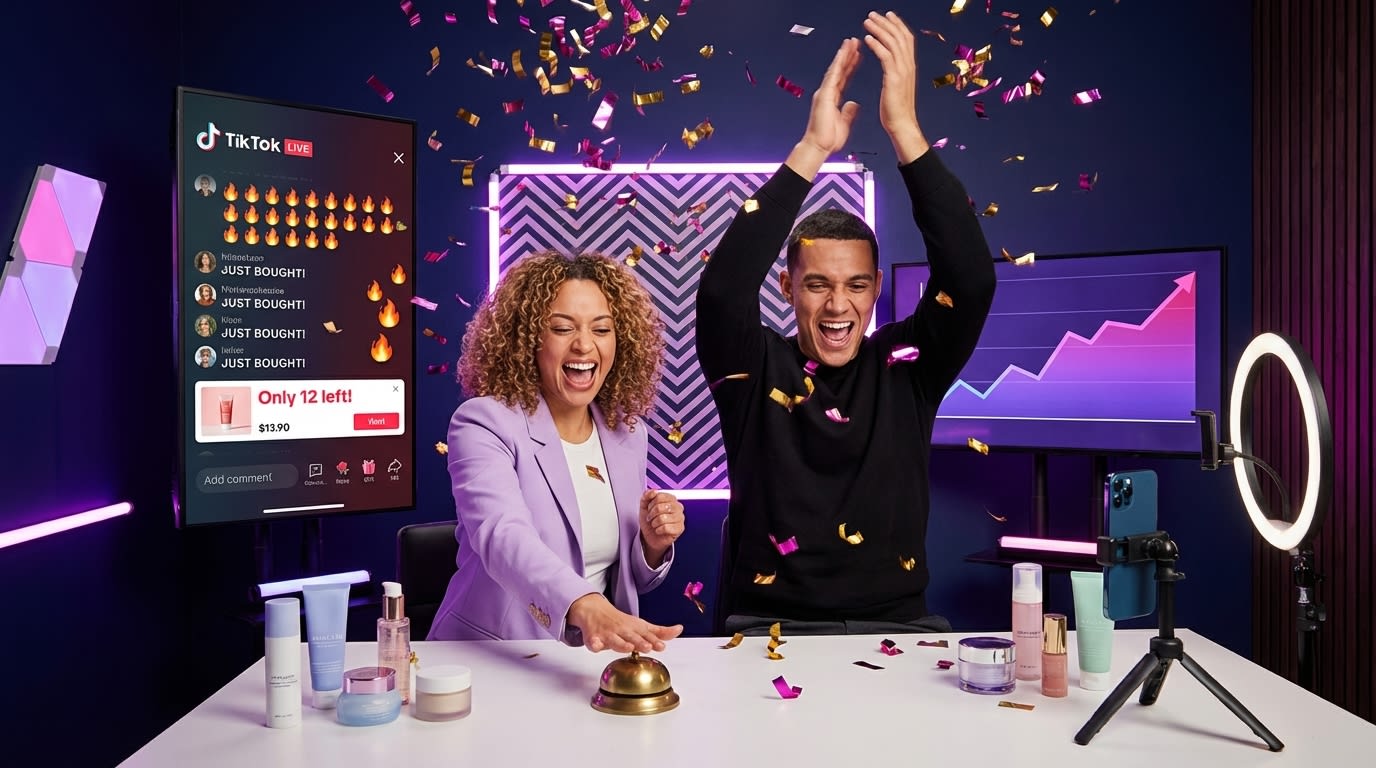
The most sophisticated TikTok Shop campaign structures don't treat organic and paid as separate channels. They use Spark Ads to amplify top-performing organic and creator content into the paid funnel, creating a flywheel where organic discovery feeds paid efficiency and paid amplification drives organic reach.
A beauty brand using this flywheel approach saw their blended CPA drop 42% over 60 days while total GMV increased 3.8x — because the algorithm recognized their content as both authentic (organic signals) and commercially viable (paid performance data).
The Timeline: How Long Until a Full-Funnel Architecture Delivers Results?
Let's set honest expectations:
- Week 1–2: Funnel setup, audience creation, initial creative deployment. Performance will be inconsistent as the algorithm learns.
- Week 3–4: TOF audiences begin building retargetable pools. MOF campaigns start receiving qualified traffic. Early signals emerge.
- Week 5–8: BOF campaigns begin converting warm audiences at significantly lower CPAs than cold-traffic campaigns. The compounding effect becomes visible.
- Week 9–12: The full flywheel is operational. Post-purchase campaigns activate. Repeat buyer rates climb. Blended ROAS typically improves 40–80% compared to pre-funnel performance.
This is a 90-day transformation, not an overnight hack. Brands that commit to the architecture and resist the urge to collapse everything back into conversion campaigns during week 2 are the ones that build sustainable, scalable TikTok Shop businesses.
One fitness equipment brand we partnered with was stuck at $32K/month in GMV running conversion-only campaigns with a $24 CPA. After implementing this exact four-stage funnel with MomentIQ, they hit $285K/month within 90 days with a blended CPA of $11. The funnel didn't just improve performance — it fundamentally changed the economics of their business.
The Window Is Closing: Why Building Your Funnel Architecture Now Is Non-Negotiable
Here's what keeps us up at night — and what should keep you up too:
TikTok Shop ad costs are still historically low. CPMs on TikTok are 30–50% lower than Meta and 60% lower than YouTube for comparable commerce audiences (TikTok Business Center, 2024). But these costs are rising quarter over quarter as more brands flood the platform.
The brands building full-funnel infrastructure today are locking in algorithmic advantages that compound over time. TikTok's algorithm rewards advertisers with deep engagement histories, diverse creative libraries, and healthy funnel metrics. Every day you run without a proper funnel, your competitors' algorithmic advantage grows — and your cost to catch up increases.
This is the same window that existed on Facebook in 2016 and on Amazon in 2018. The brands that built infrastructure early owned their categories for years. The brands that waited paid 3–5x more for the same results.
The TikTok Shop full funnel ads architecture outlined in this post is your competitive moat. Build it now, or pay exponentially more to build it later.

Let MomentIQ Build Your Full-Funnel TikTok Shop Ad Architecture
You now have the complete framework. Every stage, every audience, every creative requirement, every budget split, every naming convention.
But knowing the architecture and executing it at scale are two very different things.
MomentIQ is the TikTok Shop Partner of the Year for a reason. We've built and managed full-funnel ad architectures for brands across beauty, supplements, home goods, fitness, electronics, and fashion — scaling them from five figures to seven figures in monthly GMV.
Our approach includes:
- Proprietary algorithmic creator matching that supplies 40–80+ fresh creatives per month across all funnel stages
- Full-stack funnel management from TOF awareness through post-purchase retention
- Real-time analytics and optimization powered by our proprietary data platform
- Product seeding at scale to ensure authentic, high-converting creator content
- Integrated organic + paid + creator strategy that creates the compounding flywheel effect

The brands that will dominate TikTok Shop in 2025 are building their funnel architecture right now. The question is whether you'll be one of them — or whether you'll be the competitor they're outbidding six months from now.
👉 Talk to a Strategist and get a custom full-funnel campaign blueprint built by the team that TikTok itself recognizes as the best in the business.
The window is open. Your funnel is waiting. Let's build it.