TikTok Shop Influencer Models
Discover which TikTok Shop partnership model—ambassador, affiliate, or one-time influencer—drives the most revenue in 2025, with real data compared by niche.
Here's the question that keeps TikTok Shop brand managers up at night:
- Choose your creator partnership model based on your niche, growth stage, and product price point — there is no universal best option.
- Use brand ambassadors for deep authenticity: contract creators for 3–12 months with 4–8 monthly posts and Spark Ads whitelisting access.
- Leverage affiliate creators to scale with zero upfront cost, offering 10–25% commission to onboard hundreds of creators simultaneously.
- Combine retainers, commissions, and product seeding for ambassadors to maximize content consistency and genuine brand advocacy.
- Evaluate each model by tracking CAC, content velocity, and ROAS to determine which structure scales your TikTok Shop to seven figures.
"Should I lock creators into long-term ambassador deals, build a massive affiliate army, or just pay influencers for one-off posts?"
It's not a theoretical debate. The partnership model you choose directly determines your customer acquisition cost (CAC), your content velocity, your return on ad spend, and ultimately — whether your TikTok Shopat five.
And here's what makes it even more complicated: the right answer changes depending on your niche, your growth stage, and your product price point.
We're about to break all three models down — head to head — with real performance benchmarks, revenue data by category, retention metrics, and a decision framework you can use today to pick the partnership strategy that will actually move the needle for your brand.
No fluff. No vague "it depends." Just data, frameworks, and clarity.
Let's get into it.
The Three Dominant TikTok Shop Creator Partnership Types Compared
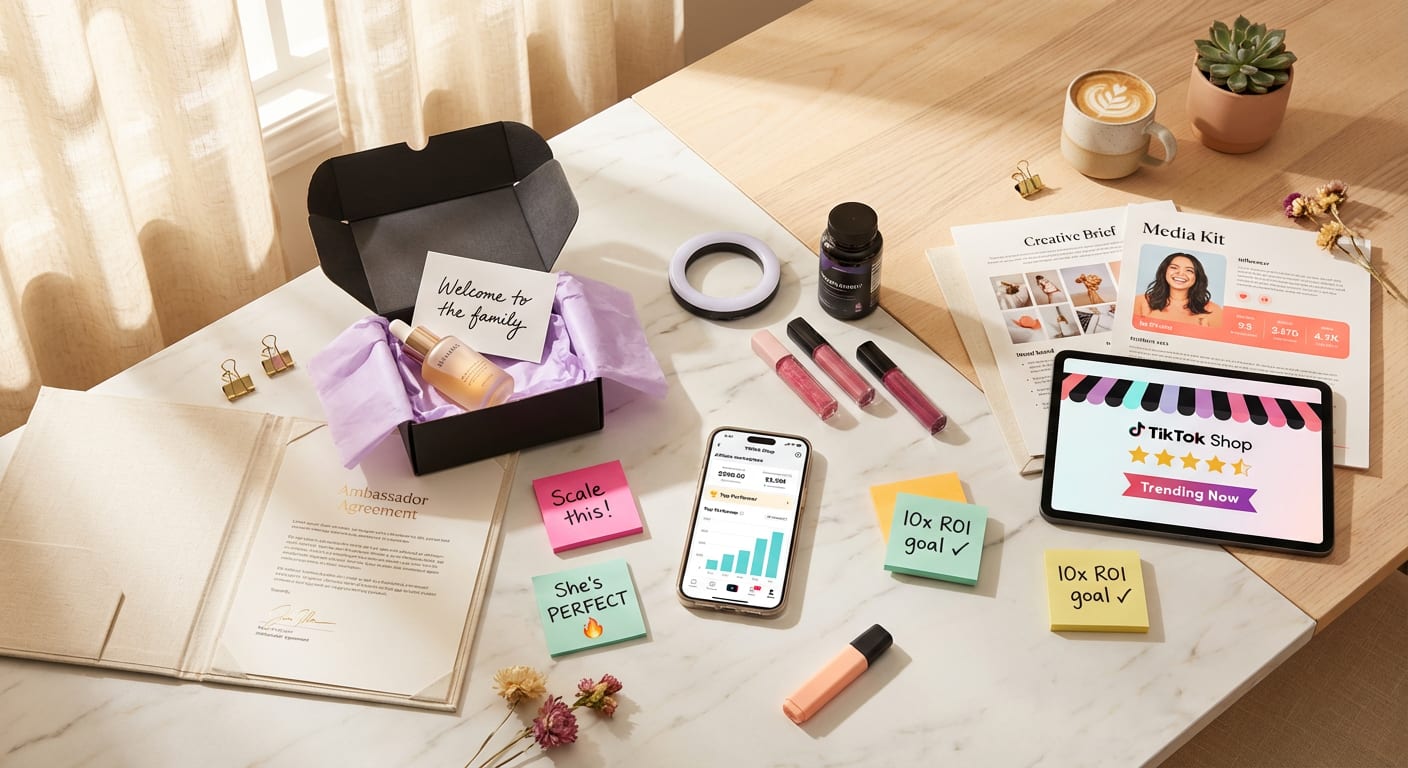
Before we dive into the numbers, let's make sure we're speaking the same language. The TikTok Shop ecosystem has evolved rapidly, and these three models have emerged as the dominant creator relationship structures in 2025:
1. Brand Ambassadors (Long-Term Partnerships)

Brand ambassadors are creators who enter into ongoing, contracted relationships with your brand — typically 3 to 12 months. They receive a combination of monthly retainers, free product, performance bonuses, and sometimes equity or exclusive commission tiers. They post consistently (often 4–8 times per month), participate in live selling events, and become genuinely associated with your brand in the audience's mind.
Key characteristics:
- Contracted commitment (3–12 months) creator contracts for ambassador deals
- Monthly content minimums
- Hybrid compensation (retainer + commission + product)
- Deep product knowledge and authentic advocacy
- Often granted whitelisting access for Spark Ads amplification
2.Affiliate Creators (Performance-Based Partnerships)

Key characteristics:
- No upfront cost (commission-only)
- Creator controls content cadence and style
- Scalable — you can onboard hundreds or thousands simultaneously
- Lower brand control, higher volume potential
- Revenue directly tied to performance
3.One-Time Influencers (Campaign-Based Partnerships)

One-time influencer partnerships involve paying a creator a flat fee (or flat fee plus commission) for a single piece of content or a short campaign burst (1–3 posts). These are often used for product launches, seasonal pushes, or awareness plays. The creator has no ongoing obligation, and the brand gets a defined deliverable.
Key characteristics:
- Flat-fee compensation (sometimes with bonus commission)
- 1–3 deliverables per engagement
- Higher per-post cost, lower ongoing commitment
- Best for reach spikes and launch moments
- No long-term relationship equity built
Now that the definitions are locked in, let's talk about what actually matters: which model makes you more money?
Revenue Performance by Partnership Model: The 2025 Benchmarks

According to TikTok's own commerce reports, creator-driven content accounts for over 70% of all TikTok Shop GMV. But not all creator content performs equally.The partnership structure behind that content has an outsized impact on conversion rates, average order value, and customer lifetime value.
Here's what the data shows across the three models in 2025:
Average Revenue Per Creator (Monthly)
| Partnership Model | Avg. Monthly Revenue Per Creator | Avg. Commission/Cost Per Creator | Net ROI Per Creator |
|---|---|---|---|
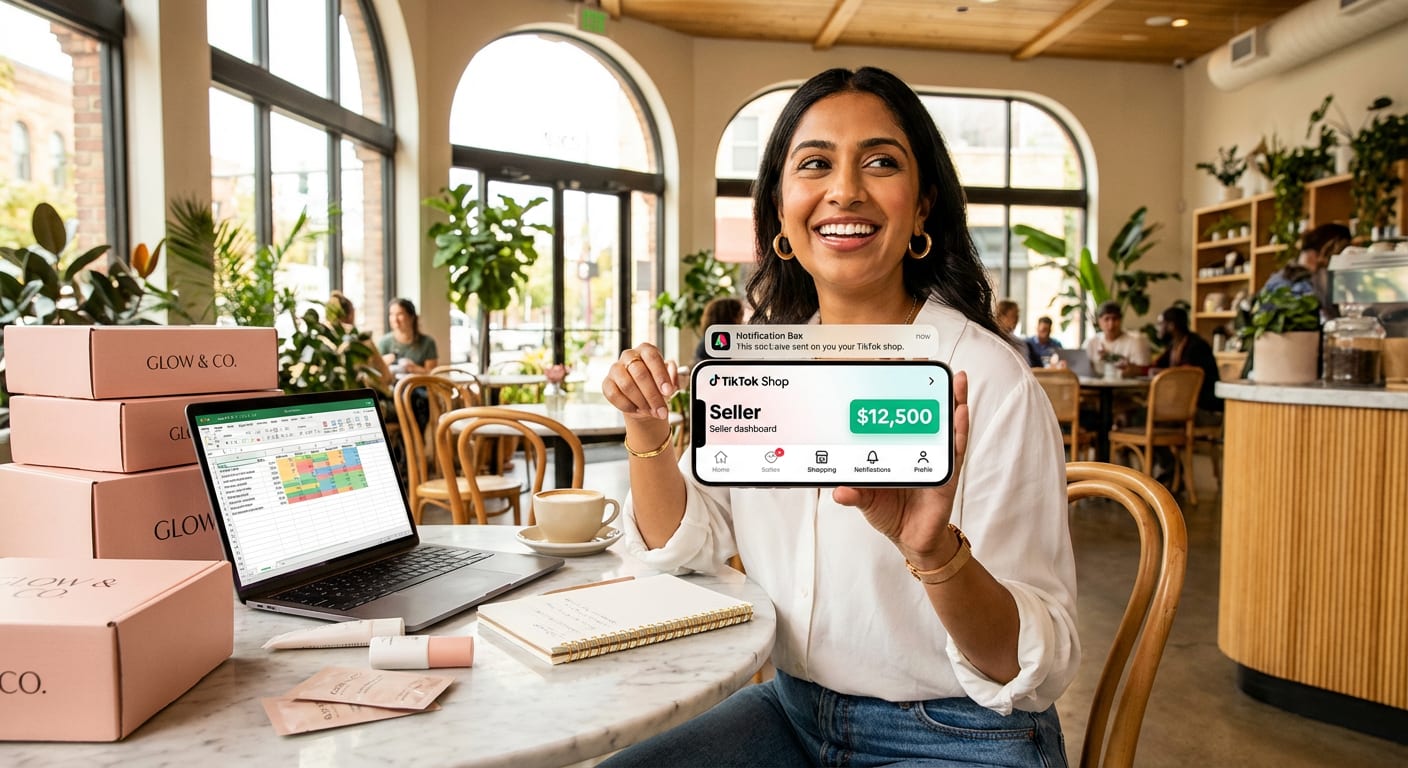
| Brand Ambassador | $4,200–$12,500 | $1,500–$4,000 (retainer + commission) pay creators without bleeding budget | 2.5x–4.2x |
| Affiliate Creator | $350–$2,800 | $70–$560 (commission only) | 3.8x–6.1x |
| One-Time Influencer | $1,200–$8,000 (campaign total) | $800–$5,000 (flat fee) | 0.8x–2.4x |
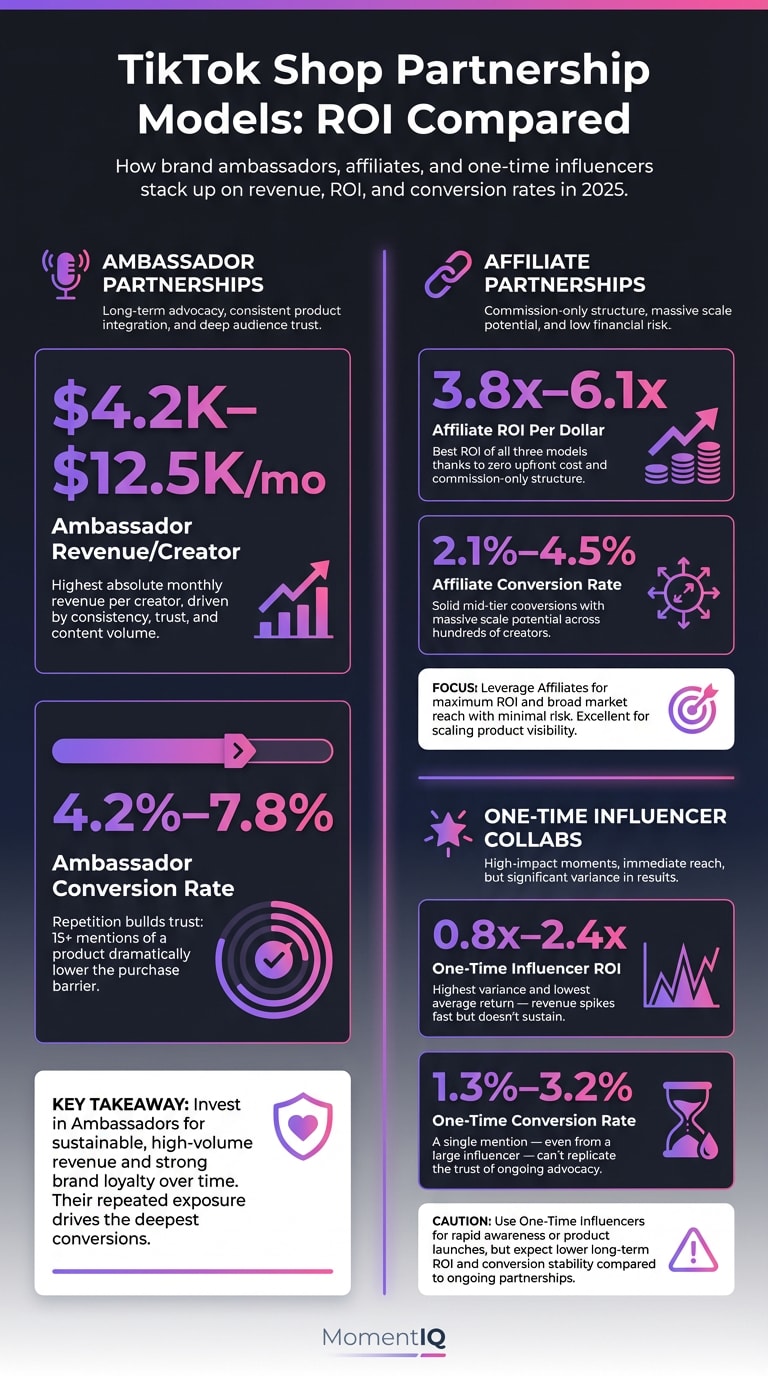
What jumps out immediately: Affiliate creators deliver the highest ROI on a per-dollar basis because there's zero upfront risk. But brand ambassadors generate the highest absolute revenue per creator because of their consistency, audience trust, and content volume.
One-time influencers? They're the wildcard. When they hit, they hit big — but the variance is enormous, and without ongoing content, the revenue spike is exactly that: a spike.
Conversion Rate by Partnership Model
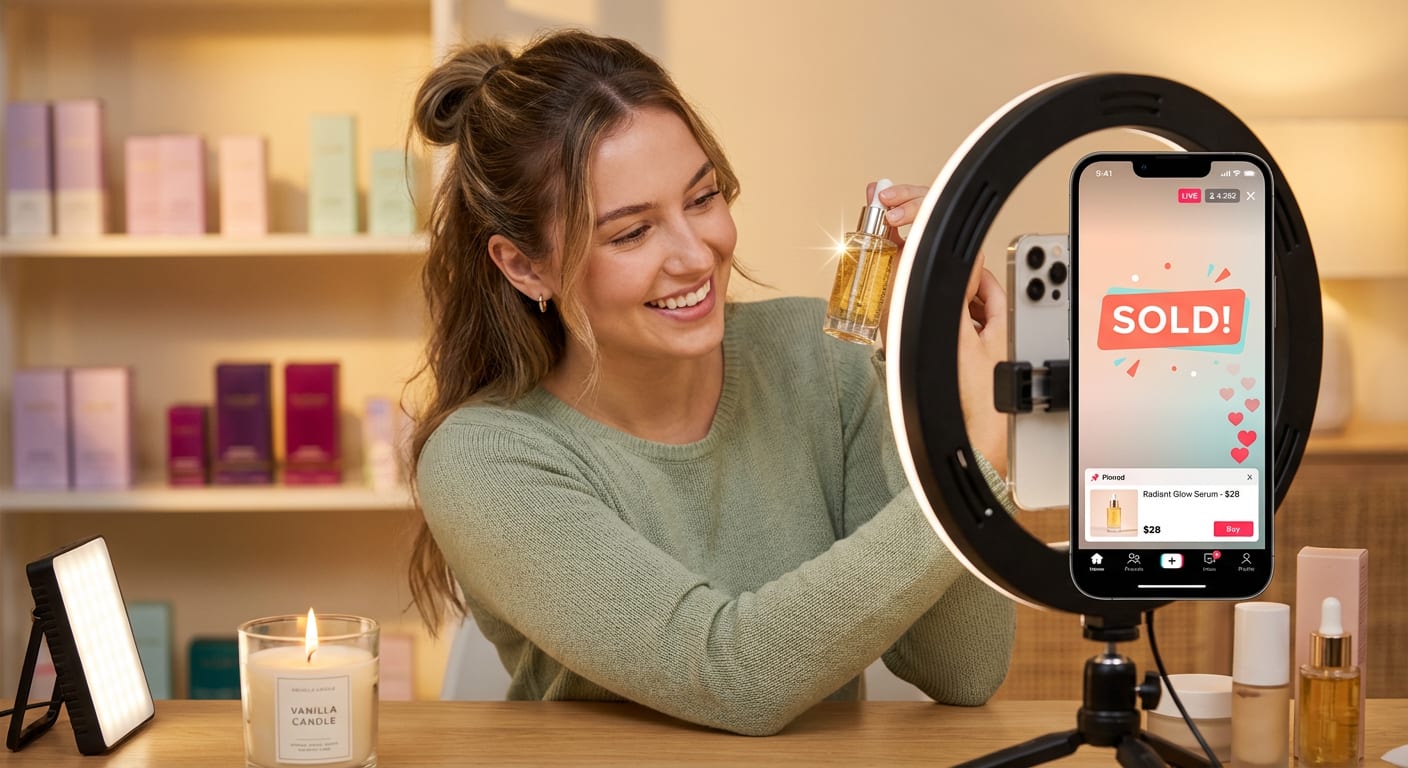
Industry data from 2025 shows a clear pattern in TikTok Shop conversion rates:
- Brand Ambassador content: 4.2%–7.8% conversion rate
- Affiliate creator content: 2.1%–4.5% conversion rate
- One-time influencer content: 1.3%–3.2% conversion rate
The reason is simple: repetition builds trust. When a creator has talked about your product five, ten, fifteen times — and their audience has seen them genuinely use it — the purchase barrier drops dramatically. A one-time mention from even a massive influencer can't replicate that trust signal.
This is especially critical on TikTok Shop, where the purchase happens inside the platform. The path from content to checkout is frictionless, which means trust is the primary conversion lever.
Best Influencer Partnership Model for TikTok Shop by Niche: The Niche-by-Niche Breakdown
Here's where it gets really interesting. The optimal partnership model shifts significantly based on your product category. Let's break it down:
Beauty & Skincare
Winner: Brand Ambassadors (with affiliate scale underneath)
Beauty is the #1 category on TikTok Shop, generating billions in GMV globally. It's also the category where trust matters most — consumers want to see results over time, not just a single "Get Ready With Me" video.
Brands in the beauty space that invest in 5–15 committed brand ambassadors who post weekly product content consistently outperform those running purely affiliate programs by 40–60% in revenue per creator. The key is the "transformation arc" — audiences follow along as the creator uses the product over weeks and months, creating a narrative that drives exponential trust.
That said, the highest-performing beauty brands on TikTok Shop use a hybrid model: a core team of 8–12 ambassadors for trust and conversion, layered on top of a broad affiliate network of 200–500+ creators for discovery and reach.
Health & Wellness Supplements
Winner: Brand Ambassadors (heavily weighted)
Supplements face the highest skepticism barrier of any TikTok Shop category. Consumers are rightfully cautious about what they put in their bodies, and a one-time influencer post simply doesn't move the needle the way it does for a $15 lip gloss.
Data shows that supplement brands using ambassador programs see 3.2x higher repeat purchase rates compared to those relying on affiliate-only models. The ambassador's ongoing personal testimony — "I've been taking this for 90 days, here's what happened" — is the single most powerful conversion mechanism in this niche.
CAC for supplement brands using ambassadors averages $18–$28, compared to $35–$55 for one-time influencer campaigns.
Fashion & Apparel
Winner: Affiliate Creators (volume play)
Fashion is a different beast. Purchase decisions are faster, price points are often lower, and the visual nature of the product means almost any creator can showcase it effectively. Fashion brands don't need deep trust arcs — they need massive content velocity and trend alignment.
A mid-size fashion brand running 500+ affiliate creators on TikTok Shop can generate 2,000–5,000 pieces of content per month, creating an algorithmic flywheel where the platform constantly surfaces fresh product content to new audiences.
The math is compelling: even if only 8–12% of affiliate creators actively post in any given month (which is the industry average for open affiliate programs), the sheer volume creates consistent revenue at extremely low CAC.
Pro tip: Fashion brands should still identify their top 3–5% of affiliates and convert them into ambassadors. This is exactly the kind of strategic escalation that MomentIQ helps brands execute — identifying which affiliate creators are generating outsized results and locking them into long-term partnerships before competitors do.
Home & Kitchen
Winner: Hybrid (Ambassadors for hero products + Affiliates for catalog breadth)
Home and kitchen brands face a unique challenge: they often have large product catalogs but only 2–3 hero SKUs that drive the majority of revenue. The best-performing brands in this category use ambassadors to create deep, ongoing content around their hero products (think: a creator who uses the same air fryer in 20 different recipe videos) while deploying affiliates to showcase catalog breadth.
One-time influencer campaigns in home and kitchen tend to underperform significantly — the average ROI is just 1.1x — because the products often require demonstration and context that a single video can't deliver.
Consumer Electronics & Tech Accessories
Winner: One-Time Influencers (for launch) → Affiliates (for sustained growth)
This is the one category where one-time influencer partnerships earn their keep. Tech product launches benefit enormously from concentrated buzz — a coordinated push from 10–20 mid-tier tech creators in a single week can generate the critical mass of social proof needed to establish a new product on TikTok Shop.
But after launch? The model should shift to affiliates. Tech accessories (phone cases, chargers, desk accessories) are impulse purchases that convert well through high-volume affiliate content without requiring deep ambassador relationships.
Customer Acquisition Cost (CAC) by Partnership Model: 2025 Data
CAC is where the rubber meets the road. Here's what brands are actually paying to acquire customers through each model:
| Partnership Model | Average CAC (All Categories) | Best-Case CAC | Worst-Case CAC |
|---|---|---|---|
| Brand Ambassador | $14–$32 | $8 (beauty/skincare) | $55 (electronics) |
| Affiliate Creator | $8–$22 | $5 (fashion) | $38 (supplements) |
| One-Time Influencer | $25–$65 | $12 (tech launch) | $90+ (supplements) |
The affiliate model wins on raw CAC efficiency because there's no upfront spend — you only pay when revenue comes in. But here's the critical nuance that most brands miss:
CAC doesn't tell the whole story. Customer Lifetime Value (LTV) does.
Customers acquired through ambassador content show 28–45% higher repeat purchase rates than those acquired through affiliate or one-time influencer content. Why? Because the ambassador's ongoing presence creates a relationship between the customer and the brand that extends beyond the initial transaction. The customer doesn't just buy a product — they join a community.
When you factor in LTV, the ambassador model often delivers the best long-term economics, even though it has a higher upfront cost.
Creator Retention Rates: The Hidden Cost Most Brands Ignore
Here's a stat that should make every brand manager pay attention:
- Brand Ambassador retention rate (12-month): 65–78%
- Affiliate creator retention rate (12-month): 12–18% (active posting)
- One-time influencer re-engagement rate: 25–35%
The affiliate model's biggest weakness is churn. Out of 1,000 affiliate creators you onboard, industry data suggests only 120–180 will still be actively posting your products 12 months later. The rest will move on to competing products, lose interest, or simply never post at all.
This means affiliate-heavy brands face a constant recruitment treadmill — you need to onboard new creators every single month just to maintain your content velocity. can automate the outreach process at scale, but the strategic challenge remains: without a system for identifying and elevating your best performers, you're always starting from scratch.
Ambassadors, by contrast, are sticky. When properly compensated and supported, they become genuine advocates who produce better content over time as they develop deeper product expertise and audience trust.
The Partnership Model Decision Framework: Choosing the Right Strategy for Your Growth Stage
Stop thinking about these three models as mutually exclusive. The highest-performing TikTok Shop brands in 2025 use all three — but they weight them differently based on their growth stage.
Here's the framework:
Stage 1: Launch ($0–$25K/month in TikTok Shop revenue)
Primary model: Affiliate Creators (80%) + One-Time Influencers (20%)
At this stage, you need volume and velocity. You don't have the budget for ambassador retainers, and you need to test which types of creators and content angles resonate with your audience. Cast a wide net with affiliates, invest in 2–3 one-time influencer partnerships for initial awareness, and obsessively track which creators drive the highest conversion rates.
Action steps:
- List your products on TikTok Shop's affiliate marketplace with competitive commission rates (15–20% minimum)
- Send product samples to 50–100 creators in your first month
- Invest in 2–3 mid-tier one-time influencer posts to generate initial social proof
- Track conversion rates by creator to identify your potential future ambassadors
Stage 2: Growth ($25K–$150K/month)
Primary model: Affiliate Creators (50%) + Brand Ambassadors (35%) + One-Time Influencers (15%)
Now you have data. You know which creators convert. It's time to lock in your top 5–10 performers as brand ambassadors while continuing to scale your affiliate network. Use one-time influencer partnerships strategically for product launches and seasonal pushes.
Action steps:
- Identify your top 5% of affiliate creators by conversion rate and revenue
- Offer them ambassador contracts with monthly retainers, exclusive commission tiers, and early product access
- Continue scaling your affiliate network to 300–500+ creators
- Whitelist your best ambassador content for Spark Ads amplification
- Reserve one-time influencer budget for new product launches
Stage 3: Scale ($150K+/month)
Primary model: Brand Ambassadors (40%) + Affiliate Creators (45%) + One-Time Influencers (15%)
At scale, your ambassador team becomes your revenue backbone. These 15–30 creators are producing the highest-converting content on your entire TikTok Shop. Meanwhile, your affiliate network (500–2,000+ creators) provides the volume and discovery engine that feeds new customers into your ecosystem.
This is the stage where the strategic complexity becomes significant — managing hundreds or thousands of creator relationships, optimizing commission structures, identifying emerging top performers, and coordinating content calendars across multiple partnership tiers.
This is also the stage where working with a specialized partner like MomentIQ becomes a force multiplier. MomentIQ's algorithmic creator matching and full-funnel commerce strategy helps scaling brands build, manage, and optimize all three partnership tiers simultaneously — ensuring you're not just adding creators, but adding the right creators at the right partnership level for maximum revenue impact.
Five Critical Mistakes Brands Make When Choosing TikTok Shop Creator Partnership Models
Mistake #1: Going All-In on One Model
Brands that rely exclusively on affiliates miss out on the trust and conversion power of ambassadors. Brands that rely exclusively on ambassadors can't achieve the content velocity needed for algorithmic reach. Diversification isn't optional — it's the strategy.
Mistake #2: Treating All Affiliates the Same
Your top 5% of affiliates are generating 60–70% of your affiliate revenue. If you're giving them the same commission rate, the same product access, and the same level of attention as creators who haven't posted in three months, you're leaving massive money on the table — and you're at risk of losing them to a competitor who will.
Mistake #3: Overpaying for One-Time Influencer Posts Without Conversion Tracking
A $3,000 flat-fee influencer post that generates 500K views and zero sales is not a marketing investment — it's a donation. Every one-time influencer partnership should have clear conversion tracking through TikTok Shop's attribution system. If a creator can't or won't use your affiliate link or product tag, that's a red flag.
Mistake #4: Neglecting the Ambassador-to-Affiliate Pipeline
The best ambassador candidates are already in your affiliate network. They're the creators who post about your product consistently even without a retainer, because they genuinely love it. Build a systematic process for identifying these creators and upgrading them to ambassador status before a competing brand scoops them up.
Mistake #5: Ignoring Content Rights and Amplification
The most valuable asset in any creator partnership isn't the organic post — it's the content itself and your ability to amplify it through paid media. Make sure every partnership agreement (especially ambassador contracts) includes whitelisting rights for Spark Ads. A single high-performing ambassador video, amplified through paid, can generate more revenue than 100 organic affiliate posts.
How to Measure Partnership Model Performance: The Metrics That Matter
Stop measuring creator partnerships by vanity metrics. Here are the five KPIs that actually predict revenue:
Revenue Per Creator (RPC): Total GMV generated divided by number of active creators. Track this monthly by partnership tier.
Content-to-Conversion Rate (CCR): Percentage of creator videos that generate at least one sale. Healthy benchmarks: Ambassadors 60–80%, Affiliates 15–30%, One-time 40–60%.
Customer Acquisition Cost (CAC) by Tier: Total cost of each partnership tier (retainers + commissions + product costs) divided by new customers acquired.
Creator Activation Rate: Percentage of onboarded creators who actually post within 30 days. Industry average is 25–35% for affiliates. If yours is below 20%, your onboarding process needs work.
90-Day Customer LTV by Acquisition Source: Track whether customers acquired through ambassador content have higher repeat purchase rates than those acquired through affiliate or influencer content. This single metric can justify the higher upfront cost of ambassador programs.
The Verdict: Which TikTok Shop Partnership Model Wins in 2025?
There is no single winner. But there is a winning strategy, and it looks like this:
Build a foundation of affiliate creators for volume and discovery. Identify and elevate your top performers into brand ambassadors for trust and conversion. Deploy one-time influencer partnerships strategically for launches and seasonal moments.
The brands dominating TikTok Shop in 2025 aren't choosing between these models — they're orchestrating all three into a unified creator commerce engine.
The challenge? Executing this at scale requires sophisticated creator identification, relationship management, performance tracking, and strategic escalation across hundreds or thousands of partnerships simultaneously.
That's exactly what MomentIQ was built to do.
Ready to Build the Right Creator Partnership Strategy for Your Brand?
Whether you're launching your first TikTok Shop affiliate program or scaling an ambassador team to drive seven-figure monthly revenue, the partnership model you choose will define your growth trajectory for the next 12 months.
MomentIQ helps brands build, manage, and optimize multi-tier creator partnership programs that drive real, measurable revenue on TikTok Shop. From algorithmic creator matching that identifies the perfect partners for your niche, to product seeding at scale, to full-funnel commerce strategy that turns creator content into a compounding revenue engine — we've built the platform and the playbook for TikTok Shop growth.
Stop guessing which partnership model is right for your brand. Talk to a Strategist and get a custom creator partnership roadmap built around your niche, your growth stage, and your revenue goals.
Your competitors are already building their creator armies. It's time to build yours — smarter, faster, and with the data to back every decision.