TikTok Shop Creator Scaling Playbook
Learn how to scale your TikTok Shop creator program from 10 to 500+ without sacrificing content quality or losing control. A proven playbook for systems, tiers,
You remember the early days. You personally DM'd every creator. You knew each one by name, reviewed every video before it went live, and celebrated every sale like it was your first.
- Treat creator scaling as an operational challenge, not a marketing one — build systems, SOPs, and approval chains before expanding past 50 creators.
- Standardize creator briefs to eliminate inconsistent content, which tanks your content-to-conversion ratio and inflates CAC.
- Tier your creator management so top performers driving significant GMV get partner-level attention, reducing the risk they defect to competitors.
- Replace manual tracking with systematized workflows — scrolling TikTok to verify posts doesn't scale beyond 30 creators.
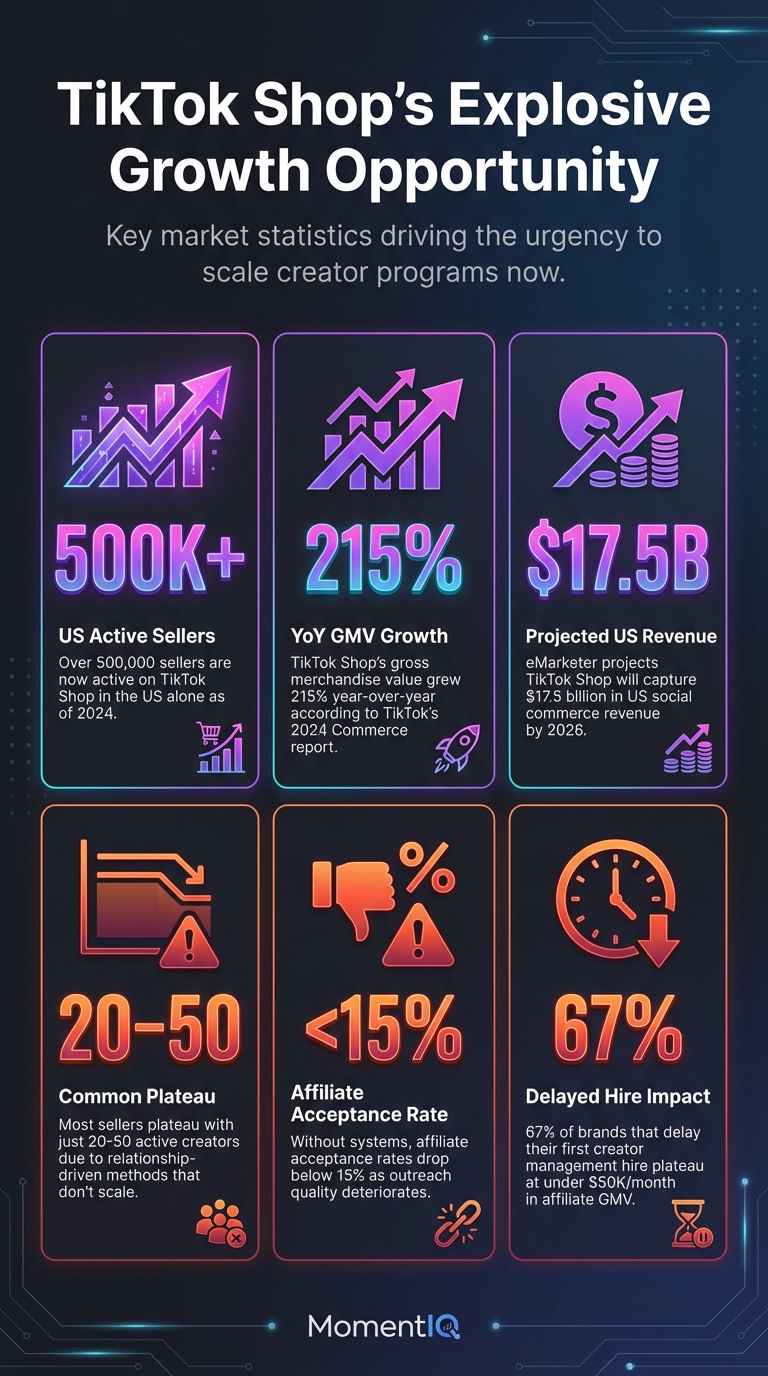
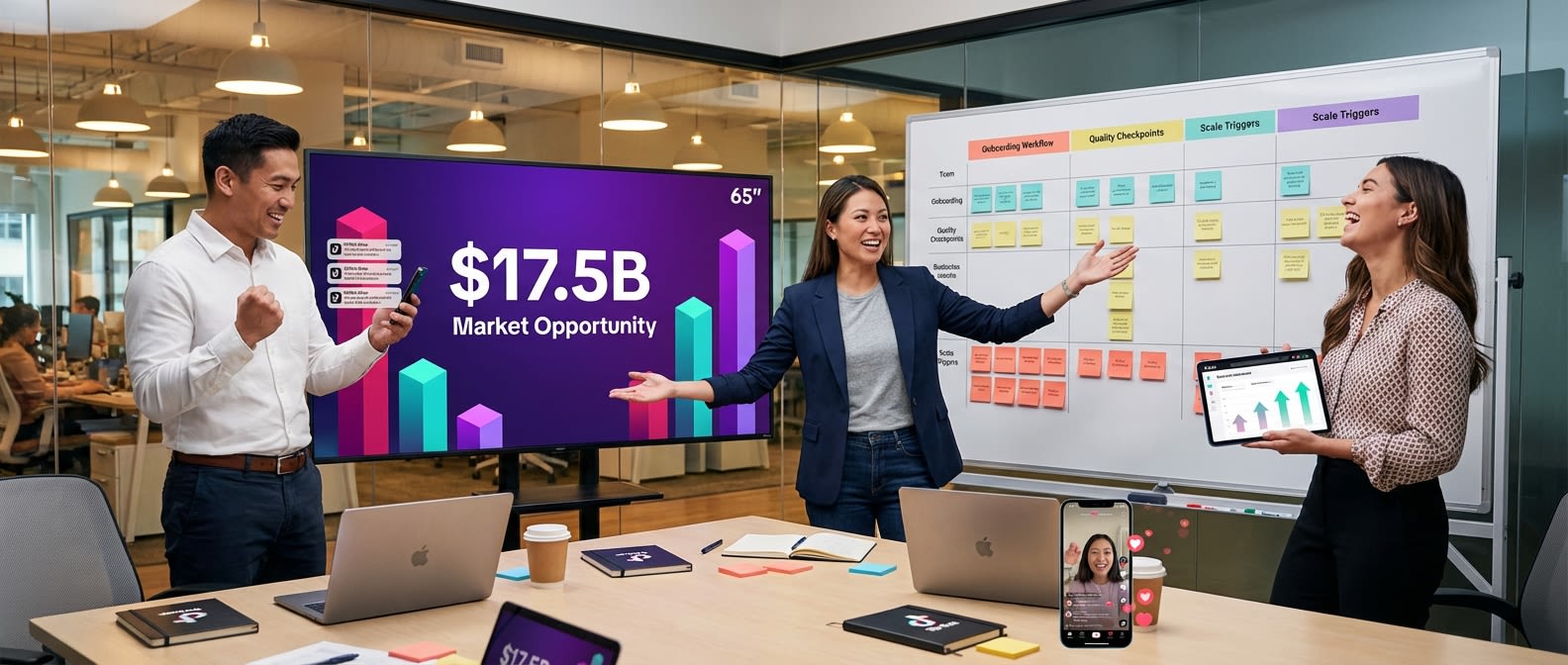
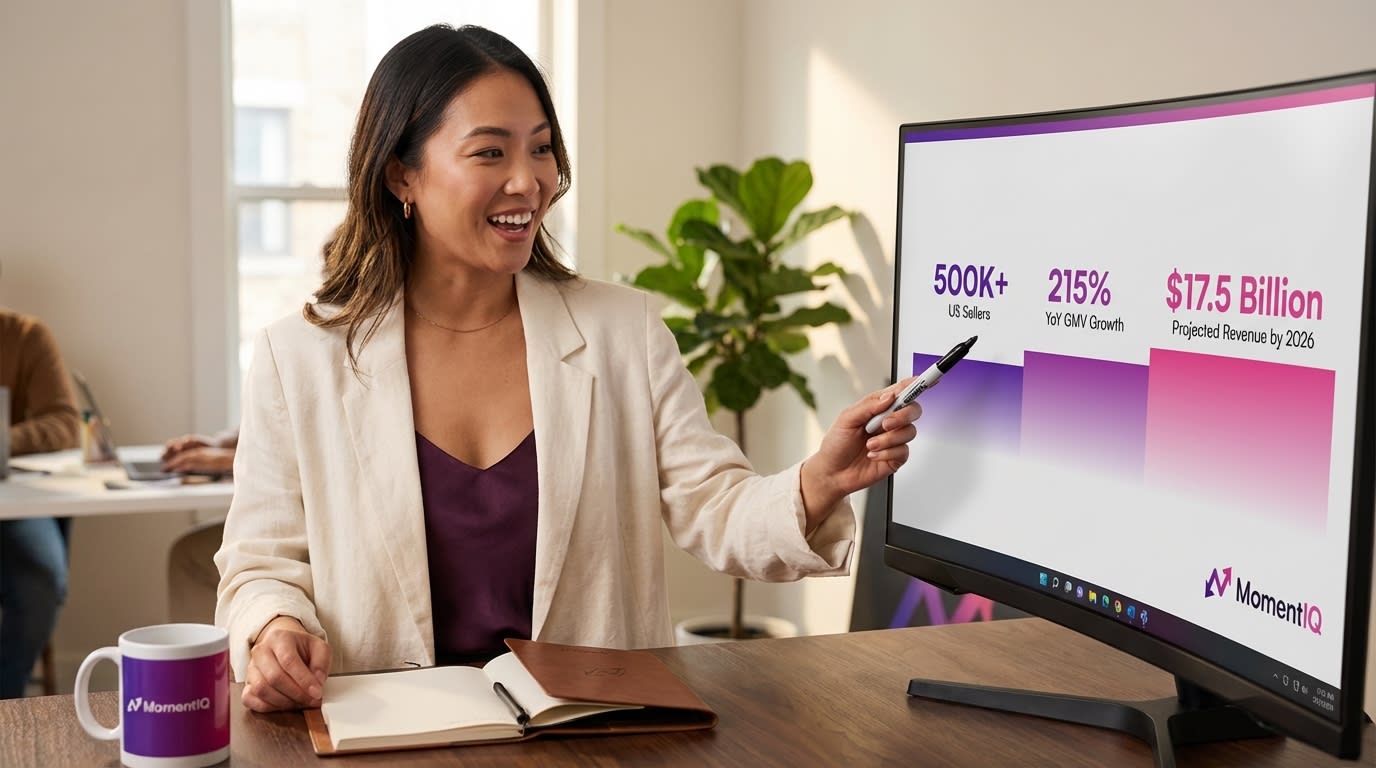
- Act now: with 500K+ US sellers and 215% YoY GMV growth, the TikTok Shop window rewards brands that operationalize creator programs first.
Then something happened: it started working.
Suddenly, 10 creators became 30. Thirty became 80. And somewhere around creator number 120, the wheels fell off. Messages went unanswered for days. Content quality nosedived. Your best-performing affiliates started ghosting — or worse, posting for your competitor. Your GMV flatlined even though your creator count kept climbing.
Sound familiar?
Here's the uncomfortable truth most TikTok Shop sellers learn too late: scaling a creator program isn't a marketing challenge. It's an operational one. And the brands that figure out how to scale their TikTok Shop creator program without sacrificing quality or control are the ones printing six and seven figures monthly right now.
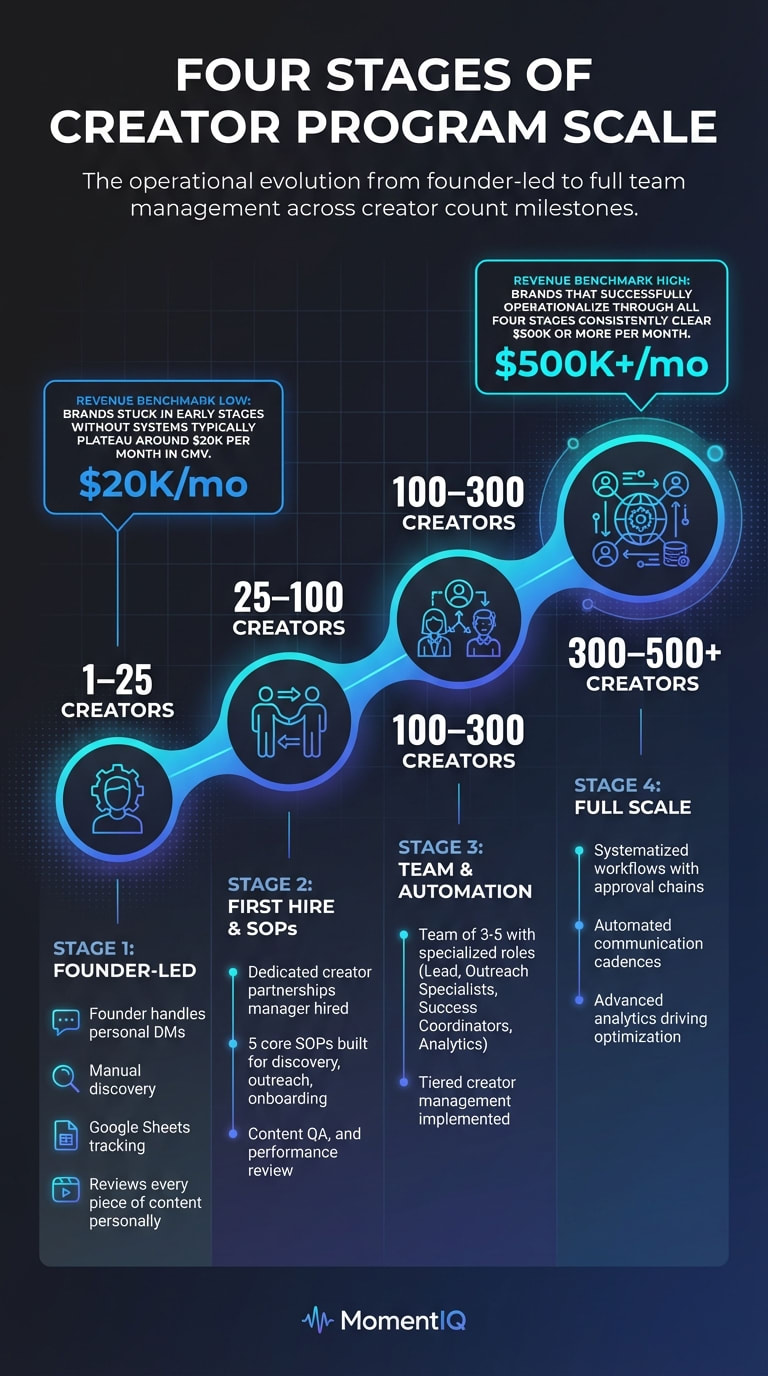
This playbook maps the exact operational evolution — from founder-led creator relationships to systematized team workflows — that separates brands stuck at $20K/month from those consistently clearing $500K+. We'll cover hiring sequences, SOPs, approval chains, content QA processes, communication cadences, and the technology stack you need at each growth stage.
Let's build the machine.
Why Most Brands Hit a Creator Scaling Wall (And Never Break Through)
Before we get tactical, let's diagnose the problem.

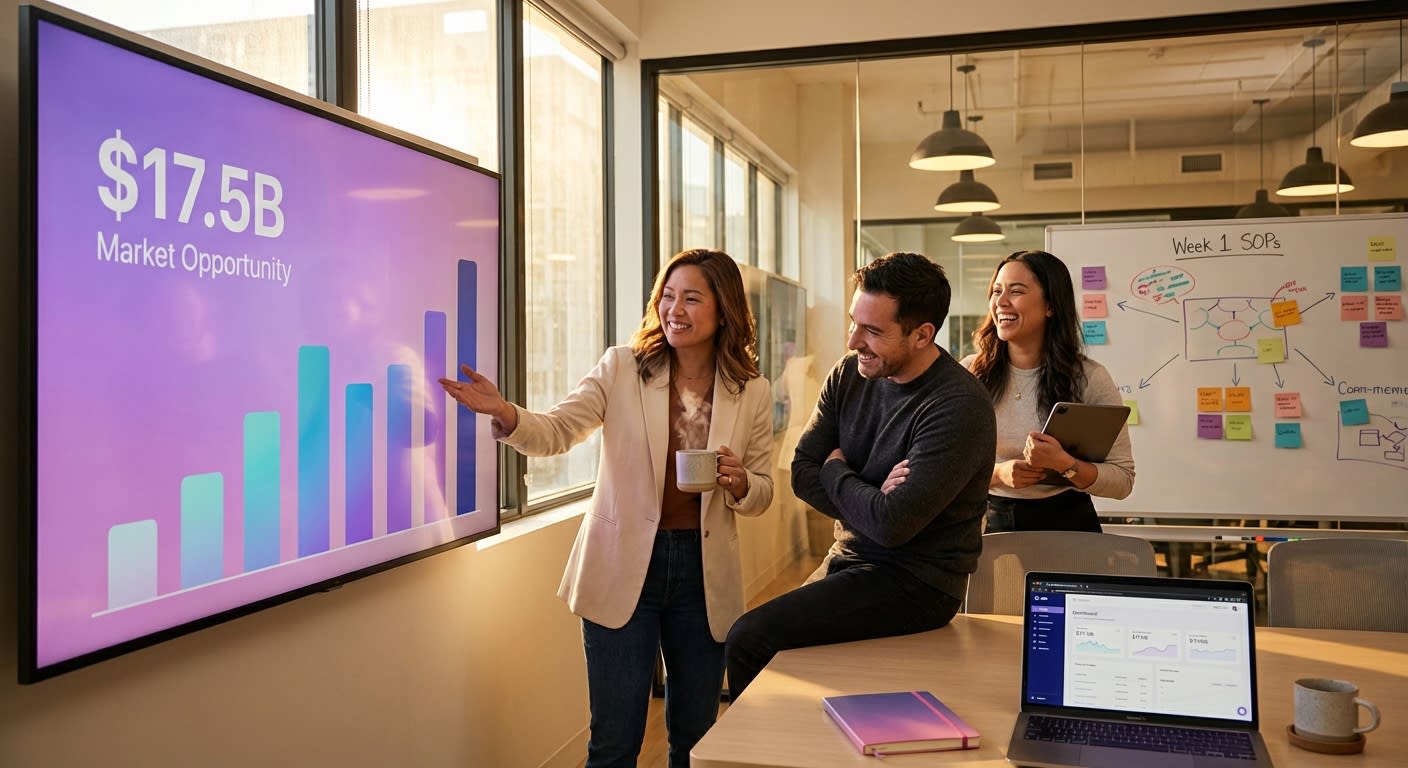
According to TikTok's 2024 Commerce report, over 500,000 sellers are now active on TikTok Shop in the US alone, and the platform's GMV grew 215% year-over-year. eMarketer projects TikTok Shop will capture $17.5 billion in US social commerce revenue by 2026. The opportunity is enormous — and shrinking by the day as more brands pile in.
Yet most sellers plateau with 20-50 active creators. Why?
Because they're trying to scale a relationship-driven process with relationship-driven methods. Here's what that looks like in practice:
- Founder or one marketing manager handles all creator communication — and becomes the bottleneck
- No standardized briefs — every creator gets different instructions, producing wildly inconsistent content standardized creator briefs
- Manual tracking — someone is literally scrolling through TikTok to check if creators posted creator performance dashboard
- No tiered quality control nano creator with 800 followers — a nano creator with 800 followers gets the same oversight (or lack thereof) as a mid-tier creator driving $40K/month
- Reactive problem-solving — you only find out content is off-brand after it's already live and tanking your conversion rate
The result? Your affiliate acceptance rate drops below 15%.Your content-to-conversion ratio craters. Your CAC inflates because you'reon creators who never post.And your best performers — the ones actually driving GMV — feel neglected and start accepting offers from competitors who treat them like partners.
This isn't a creator problem.It's a systems problem. And systems problems require systems solutions.
If you're already feeling this pain, you're not alone — and you don't have to solve it from scratch. MomentIQ has helped brands operationalize creator programs from zero to 500+ active affiliates using proprietary algorithmic matching and battle-tested SOPs. Talk to a Strategist to see exactly where your current program is breaking down and what the fix looks like.
The Four Stages of TikTok Shop Creator Management at Scale
Every brand that successfully scales their TikTok Shop influencer network passes through four distinct operational stages. **Skipping stages is
the #1 reason programs collapse.** Each stage requires different people, processes, and technology.
Stage 1: Founder-Led (1–25 Creators)
Who's doing the work: You. Maybe one VA or marketing coordinator.
What works at this stage:
- Personal DMs and relationship building
- Manual creator discovery through TikTok search and competitor analysis
- Google Sheets tracking
- Direct product shipments from your office or warehouse
- Reviewing every piece of content personally before it goes live
What breaks at this stage:
- Nothing — yet.This is the stage where you learn what resonates, which creator profiles convert, and what your brand voice sounds like in creator content.
Key metrics to track:
- Response rate to outreach - Content posting rate (creators who actually post after receiving product)
- Average GMV per creator
- Content quality score (your subjective 1-5 rating)
The trap: Many brands romanticize this stage.They believe the personal touch is their competitive advantage
and resist systematizing. But personal touch doesn't scale. A founder spending 3 hours per day on creator management is a founder not spending 3 hours on product development, supply chain, or strategy.
Stage 2: First Hire & SOPs (25–100 Creators)
Who's doing the work: A dedicated creator partnerships manager (your first critical hire) plus a part-time coordinator for logistics.

This is where you must build your operational foundation:
Hiring the right creator partnerships manager:
- Look for someone with experience managing 50+ relationships simultaneously (talent management, PR, or sales backgrounds work well)
- They must be native to TikTok — not someone who "also does TikTok" alongside Instagram and YouTube
- Test for organizational skills as much as creative skills; at this stage, process matters more than taste
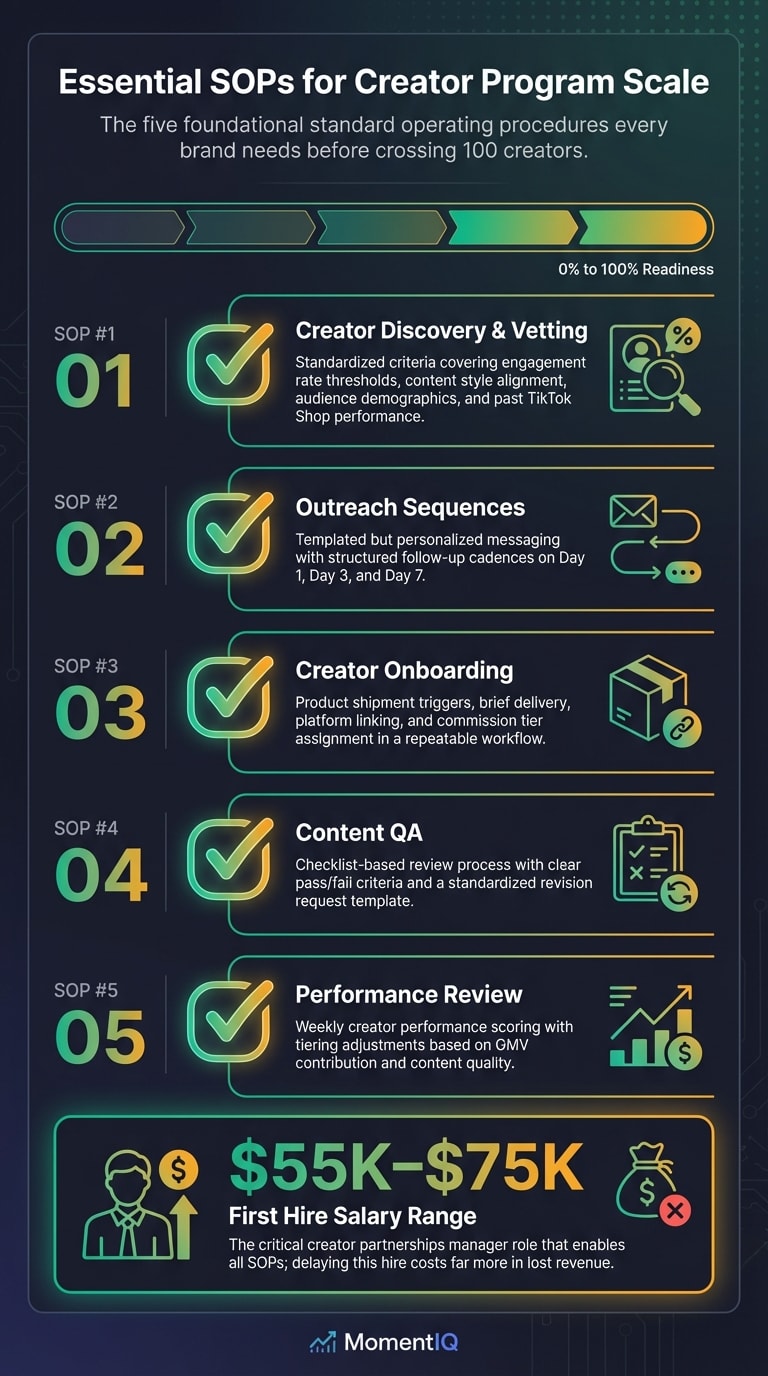
SOPs you need at this stage:
- Creator Discovery & Vetting SOP — Standardized criteria for which creators to pursue (engagement rate thresholds, content style alignment, audience demographics, past TikTok Shop performance)
- Outreach SOP — Templated but personalized messaging sequences with follow-up cadences (Day 1, Day 3, Day 7)
- Onboarding SOP — Product shipment triggers, brief delivery, platform linking, commission tier assignment
- Content QA SOP — Checklist-based review process with clear pass/fail criteria and a revision request template
- Performance Review SOP — Weekly creator performance scoring and tiering adjustments
Technology stack at this stage:
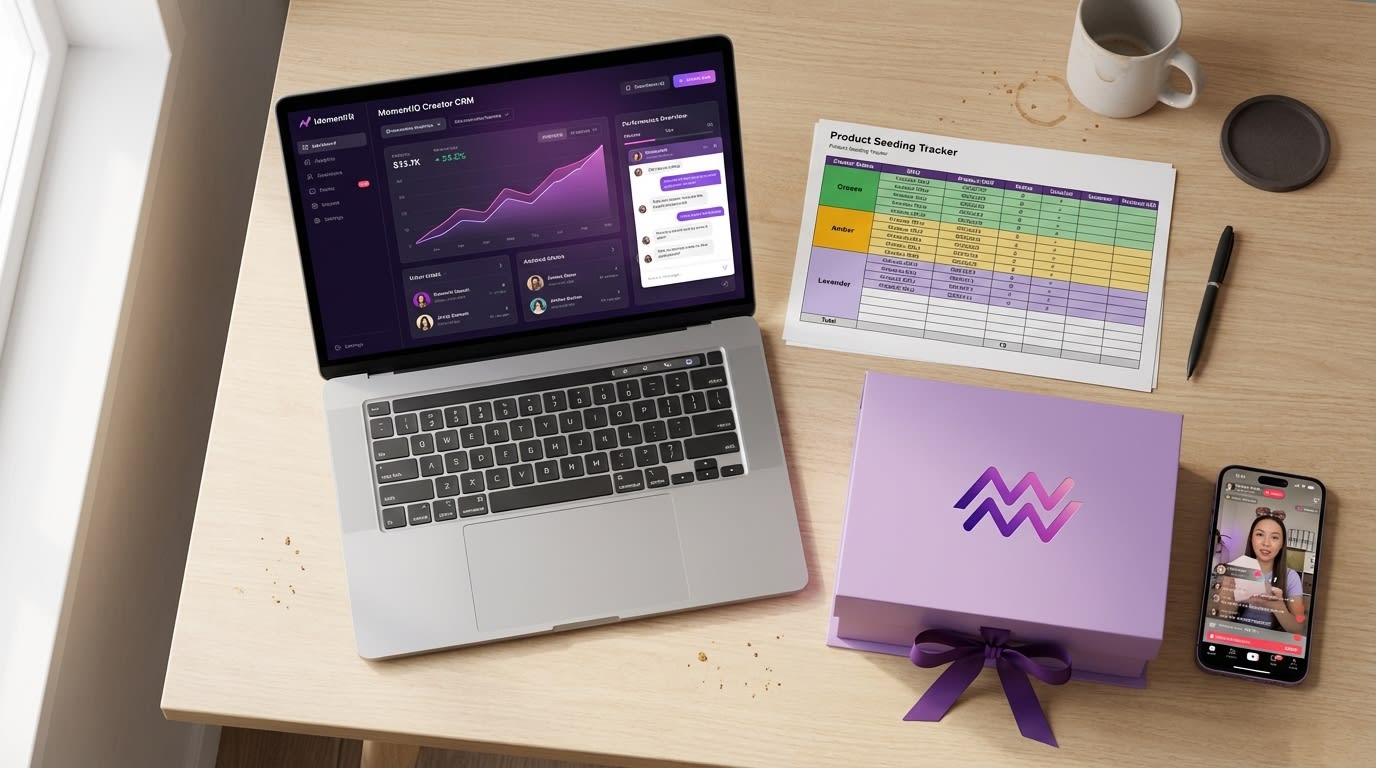
- CRM or project management tool (Notion, Airtable, or a dedicated creator management platform)
- Automated product seeding logistics (integration with your 3PL)
- Basic analytics dashboard pulling TikTok Shop affiliate data
The trap: Hiring too slowly. Statista data shows that 67% of brands that delay their first creator management hire plateau at under $50K/month in affiliate GMV. The cost of one $55K–$75K salary is nothing compared to the revenue you're leaving on the table.
Stage 3: Team Build & Automation (100–300 Creators)
Who's doing the work: A creator partnerships team of 3-5 people with specialized roles.
This is the stage where most brands either break through or break down. You can no longer manage every creator the same way. You need tiered management, automated workflows, and approval chains that don't require your input on every decision.
Team structure at this stage:
- Creator Partnerships Lead — Owns strategy, manages top-tier creator relationships personally, sets team KPIs
- Creator Outreach Specialists (1-2) — Focused entirely on discovery and recruitment; measured on qualified creators activated per week
- Creator Success Coordinators (1-2) — Manage ongoing relationships, handle content QA, process revision requests, maintain communication cadences
- Data/Analytics Support — Could be part-time or shared with your broader marketing team; tracks creator-level GMV, content performance, and identifies optimization opportunities
Critical processes to implement:
Tiered Creator Management:
Not all creators deserve equal attention. Build three tiers:
| Tier | Criteria | Management Style | Communication Cadence |
|---|---|---|---|
| Platinum | Top 5% by GMV | White-glove, personal relationship | Weekly check-ins, exclusive product access, custom commission rates |
| Gold | Top 20% by GMV | Semi-personalized | Bi-weekly batch communications, priority product seeding |
| Standard | Everyone else | Automated + templated | Monthly newsletters, self-serve resources, automated briefs |
Approval Chains:
- Standard tier content: Coordinator approves using checklist; no escalation needed
- Gold tier content: Coordinator reviews, Lead spot-checks 20%
- Platinum tier content: Lead personally reviews every piece
- Any content involving claims, comparisons, or sensitive topics: Lead + brand manager approval required
Communication Cadences:
- Daily: Monitor TikTok Shop affiliate dashboard for anomalies (sudden GMV drops, content removals, creator deactivations)
- Weekly: Team standup reviewing creator pipeline, content output, and GMV by tier
- Bi-weekly: Outreach performance review (response rates, activation rates, cost per activated creator)
- Monthly: Full program review with P&L analysis, tier adjustments, and strategic planning
Technology stack at this stage:
- Creator discovery and outreach automation (this is where tools like Reacher become essential for scaling outreach without sacrificing personalization)
- Automated product seeding with tracking and delivery confirmation
- Content management system with approval workflows
- Real-time analytics dashboard with creator-level attribution
"We can manage creators ourselves" — this is the most expensive objection in TikTok Shop. At 100+ creators, a typical in-house team spends 62% of their time on administrative tasks (tracking shipments, chasing content, sending follow-ups) and only 38% on strategy and relationship building. That ratio is backwards. The brands winning at scale flip it — they automate the admin and invest human time in the relationships and decisions that actually move GMV.
Stage 4: Scaled Operations & Algorithmic Optimization (300–500+ Creators)
Who's doing the work: A full creator commerce team of 6-10 people, supported by technology that handles the majority of routine operations.

At this stage, your creator program is no longer a marketing tactic — it's a business unit. It has its own P&L, its own team, its own technology stack, and its own growth targets.
What changes at 300+ creators:
- Manual creator discovery becomes impossible. You need algorithmic matching that identifies high-potential creators based on audience overlap, content style, engagement patterns, and historical TikTok Shop conversion data — not just follower count and vibes.
- Content QA shifts from review to training. You can't watch 500 videos a week. Instead, you build creator education systems (video brief libraries, brand guideline portals, example content databases) that raise the floor of content quality across your entire network.
- Communication becomes segmented and automated. Different creator segments receive different messaging, incentives, and support based on their performance tier, content category, and engagement history.
- Performance analytics become predictive. You're not just measuring what happened — you're modeling which creators are likely to scale, which are at risk of churning, and which product-creator combinations will generate the highest GMV.
This is the stage where most brands realize they need a partner, not just more headcount.
Hiring 6-10 specialized team members, building proprietary technology, and developing the institutional knowledge to operate at this level takes 12-18 months and $500K-$1M+ in fully loaded costs. For most brands, that math doesn't work — especially when the TikTok Shop opportunity window is narrowing every quarter as competition intensifies.
That's exactly why MomentIQ exists. As TikTok's Shop Partner of the Year and a certified TikTok Marketing Partner, MomentIQ provides the entire Stage 4 infrastructure — algorithmic creator matching, managed product seeding at scale, content QA systems, and full-funnel commerce support — without the 18-month build time. One supplement brand scaled from $18K to $420K/month in 90 days through MomentIQ's creator matching system. A home goods brand went from 35 active creators to 400+ in under 60 days while improving average content quality scores by 40%.
Talk to a Strategist to see your custom scaling roadmap and understand exactly what Stage 4 operations look like for your brand and category.
The Technology Stack That Makes Scale Possible
Let's get specific about the tools you need at each stage. The right technology doesn't replace human judgment — it eliminates the busywork that prevents humans from exercising judgment.

Creator Discovery & Matching
- At 1-50 creators: Manual search, competitor analysis, TikTok's creator marketplace
- At 50-200 creators: Semi-automated discovery tools, hashtag monitoring, lookalike creator identification
- At 200+ creators: Algorithmic matching that cross-references creator audience data, content performance history, product category affinity, and historical conversion rates to surface the highest-probability partnerships
This is one of MomentIQ's core differentiators. While generic influencer agencies rely on manual outreach and gut instinct, MomentIQ's proprietary algorithmic creator matching system analyzes thousands of data points per creator to predict partnership success before a single product ships. The result: higher activation rates, better content quality, and significantly stronger GMV per creator.
Outreach & Communication
- At 1-50 creators: Personal DMs, email, spreadsheet tracking

- At 50-200 creators: Templated outreach sequences with personalization variables, CRM tracking
- At 200+ creators: Automated multi-channel outreach with AI-assisted personalization, automated follow-up sequences, self-serve creator onboarding portals
Content Management & QA
- At 1-50 creators: Manual review of every piece

- At 50-200 creators: Checklist-based review with escalation workflows
- At 200+ creators: AI-assisted content screening for brand safety, compliance, and quality thresholds — with human review reserved for top-tier creators and flagged content
Analytics & Optimization
- At 1-50 creators: TikTok Shop seller dashboard + spreadsheets
- At 50-200 creators: Custom dashboards pulling API data, weekly performance reports
- At 200+ creators: Real-time creator-level attribution, predictive performance modeling, automated tier adjustments, cohort analysis by creator type/content format/product SKU
Content QA at Scale: The Framework That Protects Your Brand
One of the biggest fears brands have about scaling their TikTok Shop creator program is losing control of brand messaging. It's a valid concern — one off-brand video from a creator with 500K followers can do real damage.
But here's what the data shows: brands with systematized content QA processes actually see higher content quality at 300+ creators than brands with 30 creators and no system. Why? Because systems create consistency. Personal oversight creates inconsistency.
The Content QA Checklist (Adapt for Your Brand)
Every piece of creator content should be evaluated against these criteria:

Non-Negotiables (Automatic Fail):
- No false health/safety/efficacy claims
- No competitor mentions or comparisons not approved by brand
- Product shown correctly (right SKU, not damaged, proper use demonstrated)
- Required FTC disclosures present (#ad, #sponsored, or TikTok's built-in disclosure)
- No offensive, controversial, or brand-unsafe content in the video
Quality Standards (Scored 1-5):
- Hook strength (first 3 seconds — would you stop scrolling?)
- Product integration feels natural, not forced
- Audio quality (clear, no distracting background noise)
- Visual quality (well-lit, in-focus, appropriate framing)
- Call-to-action clarity (viewer knows where to buy)
- Authenticity (feels like genuine creator content, not a scripted ad)
Optimization Indicators (For Coaching, Not Rejection):
- Uses trending sounds or formats
- Includes text overlays for accessibility
- Video length optimized for content type (15-60 seconds for product demos, 60-180 for tutorials)
- Comment engagement strategy (creator responds to early comments)
The key insight: At scale, your QA process should be training-oriented, not gatekeeping-oriented. If 30% of your creators are failing QA checks, the problem isn't the creators — it's your briefing and onboarding process. Fix upstream, not downstream.
Handling the "We've Tried Agencies Before" Objection
Let's address this directly, because if you're reading a 3,000-word playbook about scaling creator operations, you've probably already considered — or tried — outsourcing.

Here's why most agency experiences disappoint:
Generic influencer agencies don't understand TikTok Shop mechanics. They optimize for views and engagement. TikTok Shop requires optimizing for click-through to product page, add-to-cart rate, and conversion. These are fundamentally different content strategies.
Most agencies use manual creator matching. A junior account manager scrolls through TikTok, picks creators who "look right," and sends mass outreach. The result: low response rates, poor creator-product fit, and mediocre GMV.
They don't own the full funnel. An agency that finds creators but doesn't manage product seeding logistics, content QA, commission optimization, and performance analytics is giving you 20% of the solution.
They lack TikTok-native data. Without deep integration into TikTok's commerce ecosystem, agencies are guessing. They can't tell you which creator's audience has the highest purchase intent for your specific product category.
MomentIQ is different because it was built for TikTok Shop from day one. Not bolted on. Not adapted from an Instagram influencer model. Purpose-built for the unique mechanics of TikTok's commerce ecosystem.
As TikTok's Shop Partner of the Year and FastMoss Visionary Award winner, MomentIQ brings:
- Algorithmic creator matching that analyzes conversion probability, not just follower counts
- Managed product seeding at scale — logistics handled end-to-end
- Full-funnel commerce support from content strategy through conversion optimization
- Proprietary data analytics that identify opportunities invisible to sellers using standard dashboards
The question isn't whether you can afford an agency. It's whether you can afford to keep leaving money on the table. One beauty brand working with MomentIQ scaled from $12K to $340K/month in affiliate GMV in 90 days. The agency fee was a fraction of the incremental revenue.
The Hiring Sequence: Who to Hire and When
If you're building in-house (or building a hybrid model with agency support), hiring in the wrong order is almost as bad as not hiring at all.
Hire #1: Creator Partnerships Manager (At 20-30 Active Creators)
Salary range: $55K–$85K depending on market
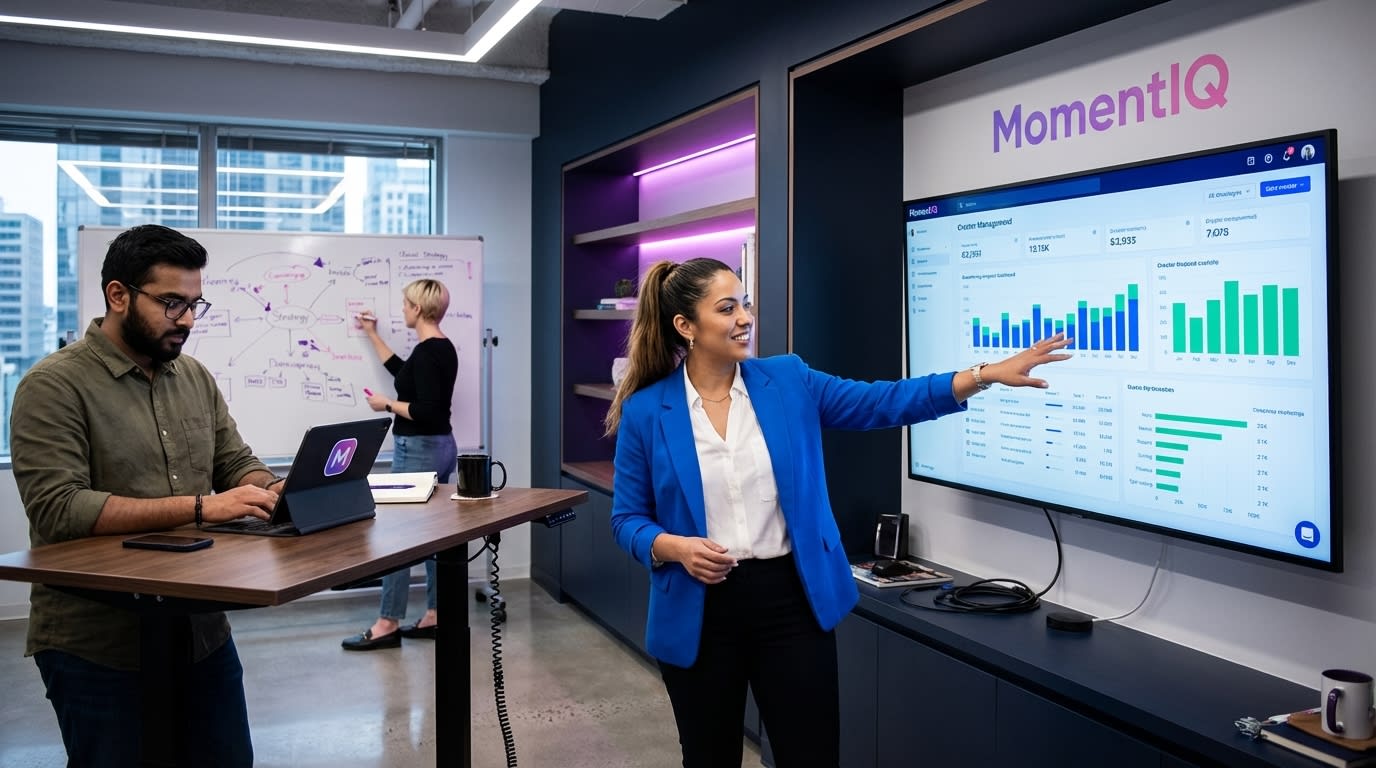
Key skills: Relationship management, TikTok-native, highly organized, data-comfortable
Their first 30 days: Document every process you're currently doing manually. Build V1 of your SOPs. Set up your CRM/tracking system.
Hire #2: Creator Outreach Specialist (At 60-80 Active Creators)
Salary range: $40K–$60K

Key skills: High-volume outreach, copywriting, resilient (outreach is a rejection-heavy role)
Their first 30 days: Take over all discovery and outreach. Free up your Partnerships Manager to focus on relationship management and content QA.
Hire #3: Creator Success Coordinator (At 100-150 Active Creators)
Salary range: $40K–$55K

Key skills: Customer service mindset, detail-oriented, process-driven
Their first 30 days: Own all Standard and Gold tier communication. Handle product seeding logistics. Manage content QA checklist for Standard tier.
Hire #4: Data/Analytics Specialist (At 150-200 Active Creators)
Salary range: $65K–$90K

Key skills: Data analysis, dashboard building, comfortable with TikTok's API and analytics tools
Their first 30 days: Build your real-time performance dashboard. Create automated tier adjustment recommendations. Identify your top 10 creator-product combinations by ROI.
Total cost at 200+ creators (in-house): $200K–$290K in salaries alone, plus technology costs, product seeding costs, and management overhead.
Compare that to the agency model: For a fraction of that investment, a specialized partner like MomentIQ provides the entire team, technology stack, and institutional knowledge — with performance accountability built in.
"We don't have the budget for an agency." Run the real math. A four-person in-house team costs $250K+ annually before technology and overhead. MomentIQ's managed programs typically deliver 5-8x ROI on total program spend, meaning the agency pays for itself multiple times over. The question isn't budget — it's whether you want to spend 12 months building infrastructure or start scaling revenue next month.
The Communication Cadence That Keeps Creators Engaged at Scale
Creator churn is the silent killer of TikTok Shop programs. According to internal industry benchmarks, the average TikTok Shop affiliate program loses 40-60% of its creators within 90 days of activation. Most of that churn isn't about commission rates — it's about feeling ignored.

Here's the communication cadence that top-performing programs use:
For Platinum Creators (Top 5%):
- Weekly: Personal check-in from their dedicated contact (voice note or video message preferred over text)

- Bi-weekly: Performance review with specific data ("Your last 3 videos averaged $4,200 in GMV — here's what made them work")
- Monthly: Exclusive early access to new products, custom commission bonuses, co-creation opportunities
- Quarterly: Strategy call with brand leadership, long-term partnership planning
For Gold Creators (Top 20%):
- Bi-weekly: Batch-personalized email with performance highlights and upcoming opportunities

- Monthly: New product seeding with updated briefs
- Quarterly: Performance review and tier evaluation
For Standard Creators:
- Monthly: Newsletter with trending content formats, top-performing examples from the network (anonymized), and new product launches

- As-needed: Automated re-engagement sequences for inactive creators ("We noticed you haven't posted in 3 weeks — here's what's working right now")
- Quarterly: Automated tier evaluation with upgrade notifications ("Congratulations! You've been promoted to Gold tier")
The key principle: Your best creators should feel like partners. Your mid-tier creators should feel supported. Your standard creators should feel informed. Nobody should feel forgotten.
Why the Window Is Closing (And What That Means for Your Timeline)
Let's talk about urgency, because this matters.

TikTok Shop is still in its land-grab phase in the US. According to a 2024 Marketplace Pulse report, the number of active TikTok Shop sellers grew 3.4x in a single year. That growth rate means the competitive landscape is shifting quarterly, not annually.
Here's what's happening right now:
- Creator supply is tightening. The best-performing TikTok Shop creators are being locked into exclusive or priority partnerships by brands that moved first. Every month you wait, the available pool of high-converting creators shrinks.
- Algorithmic advantages compound. Brands with 200+ active creators generating consistent content are building algorithmic momentum that becomes increasingly difficult for newcomers to overcome. TikTok's recommendation engine favors accounts and products with sustained content velocity.
- Commission rates are inflating. As more brands compete for the same creators, average affiliate commission rates are rising. Brands that built relationships early locked in favorable rates. Latecomers pay a premium.
- Consumer behavior is shifting permanently. A 2024 Statista survey found that 37% of US Gen Z consumers have made a purchase through TikTok Shop, up from 12% in 2023. This isn't a trend — it's a structural shift in how a generation buys.
The brands building their creator infrastructure now will own the algorithmic advantage that latecomers can't replicate. This isn't speculation — it's the same dynamic that played out on Amazon in 2015, Instagram in 2018, and every other platform where early operators built moats.
Your 90-Day Scaling Roadmap
Regardless of where you are today, here's the action plan:
Days 1-30: Foundation
- Audit your current creator program (activation rate, content quality, GMV per creator, churn rate)
- Document existing processes and identify the top 3 bottlenecks
- Build V1 of your content QA checklist
- Implement tiered creator management (even if tiers are rough)
- Make your first hire or engage a scaling partner
Days 31-60: Systematize
- Deploy outreach automation for creator discovery and recruitment

- Build your approval chain workflow
- Launch your communication cadence for each tier
- Set up real-time analytics tracking at the creator level
- Target: 2-3x your active creator count
Days 61-90: Optimize
- Analyze first cohort of scaled creators for quality and GMV contribution
- Refine briefing and onboarding based on content QA data
- Implement predictive creator scoring
- Begin testing new creator segments and product-creator combinations
- Target: Consistent week-over-week GMV growth with stable or improving content quality scores
Stop Building Alone. Start Scaling With the Partner TikTok Trusts Most.
Here's what we know after working with hundreds of TikTok Shop brands across every major category:
The difference between brands doing $20K/month and brands doing $500K/month isn't the product. It's not even the creators. It's the operational infrastructure that connects products to creators to customers at scale.
You can build that infrastructure yourself. It'll take 12-18 months, $300K+ in team costs, and a lot of painful trial and error.
Or you can partner with the agency that TikTok itself named Shop Partner of the Year — the team that has already built the systems, technology, and creator relationships that your program needs.
MomentIQ is the only TikTok Shop growth agency that combines algorithmic creator matching, managed product seeding at scale, proprietary analytics, and full-funnel commerce support into a single partnership. No patchwork solutions. No learning curves. Just results.
A fitness equipment brand went from 22 creators to 380+ in 75 days with MomentIQ — while improving average content quality scores by 35% and scaling monthly affiliate GMV from $28K to $310K.
That's not magic. That's what happens when you replace manual processes with systems built for scale.
Talk to a Strategist and get a custom scaling roadmap showing exactly how many creators you need, what your team structure should look like, and how fast you can realistically scale — with the data to back it up.
The brands that move now will own TikTok Shop in 2025. The ones that wait will spend 2026 trying to catch up.
Which one are you?